UK Inflation Hits 2.9% on Iran Conflict; Oil Nears $92 as Hormuz Traffic Slows and Trump Pauses Canada Tariffs
افزایش تورم بریتانیا به ۲.۹ درصد در پی تنشهای ایران؛ صعود نفت به ۹۲ دلار و توقف موقت تعرفههای ترامپ علیه کانادا
Global energy costs have pushed UK inflation to 2.9%, while oil prices rise for a fourth day as traffic through the Strait of Hormuz thins. Meanwhile, Donald Trump has granted a 72-hour reprieve on Canadian tariffs as trade negotiations reach a critical juncture.
At time of publishing
USD
188,400
Toman
Gold 18K
19.46M
Toman / gram
Bitcoin
$64,233
US Dollar
Tether
189,219
Toman
UK Inflation Surges as Regional Conflict Hits Global Wallets
The UK's Office for National Statistics has reported a significant jump in the Consumer Price Index (CPI) to 2.9% for July, up from 2.6% in the previous month. This surge is being directly attributed to the ripple effects of the ongoing conflict in the Middle East involving Iran, which has sent energy prices spiraling and triggered a renewed cost-of-living squeeze for British households. For the government of Andy Burnham, this represents a major political hurdle, as the promised "breathing space" for consumers is being eroded by geopolitical factors far beyond London's immediate control.
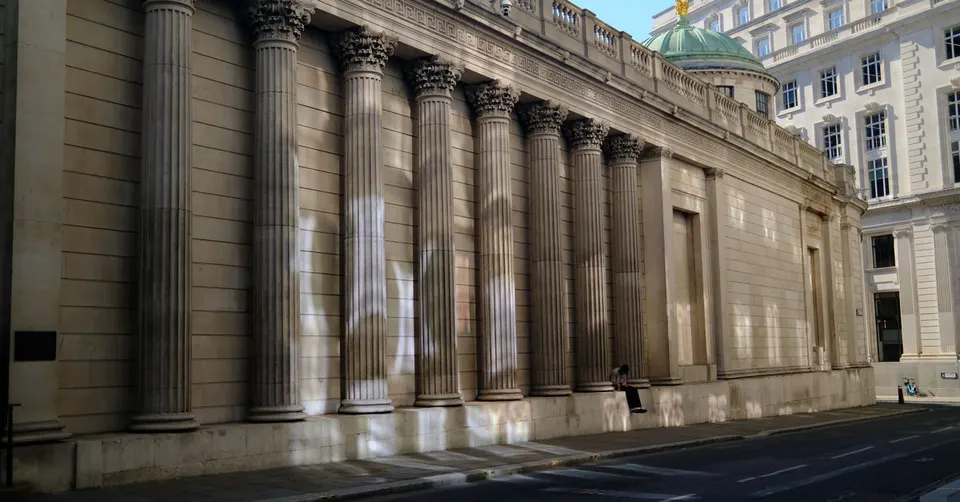
The Bank of England now finds itself in a precarious position. While rising inflation typically triggers a hike in interest rates to cool the economy, a simultaneous slowdown in the labor market is giving policymakers pause. If they raise rates too aggressively to combat energy-driven inflation, they risk tipping the UK into a deeper recession. For Iranian observers, this serves as a stark reminder of how regional instability exports economic pain globally, creating a feedback loop that eventually impacts international trade and currency sentiment.
Oil Markets Rally as Hormuz Bottleneck Tightens
Oil prices are currently on a four-day winning streak, with Brent crude climbing to $91.53 per barrel and West Texas Intermediate (WTI) reaching $85.47. This rally is fueled by fresh tanker-tracking data suggesting that traffic through the Strait of Hormuz has slowed significantly. The expiration of the short-lived June ceasefire between the United States and Iran has led to a return of aggressive rhetoric, with both sides demonstrating an unwillingness to return to the negotiating table, further spooking energy traders.
The strategic bottleneck of Hormuz remains the primary trigger for global energy anxiety. As traffic thins due to security concerns or potential blockades, the risk of a "supply shock" grows, which is currently reflected in the premium being paid for immediate delivery. For the Iranian economy, while higher oil prices theoretically increase potential revenue, the accompanying sanctions and the physical difficulty of moving product through contested waters create a complex net effect that often results in domestic price hikes for basic goods rather than a broad wealth windfall.
Trump’s Tariff Pause and the Canadian Trade Gamble
In North America, President Donald Trump has temporarily de-escalated a brewing trade war with Canada. After threatening a massive 50% tariff on Canadian goods—a move that would have impacted roughly $20 billion in trade and sent shockwaves through the automotive and energy sectors—Trump announced a three-day pause. He claimed on social media that a deal is nearly finalized, though Canadian officials, including Prime Minister Mark Carney, remain more cautious, stating that "important work" still remains to be done before any documents are signed.
Beyond the immediate tariff threat, Trump has also hinted at reviving the Keystone XL pipeline project, suggesting it might be "awoken from the grave." This move is seen as an attempt to bolster North American energy independence amidst the chaos in the Middle East. For global markets, this volatility underscores the "Trump risk" factor, where trade policy is conducted via last-minute social media updates, keeping currency traders on edge and contributing to the general shift toward safe-haven assets like gold and Bitcoin.
Domestic Markets: Gold Rallies as Toman Remains Under Pressure
On the local front in Tehran, the market is reacting to these global shifts with a clear preference for hard assets. In the last 24 hours, the USD sell rate moved from 188,500 to 188,400, a minor decrease of 0.1% that suggests a temporary plateau. However, the gold market tells a different story: 18k gold rose 0.9% to reach 19,460,732 Toman per gram, while the Emami coin gained 0.5% to settle at 193,000,000 Toman. This divergence indicates that local investors are increasingly using gold as a hedge against the inflationary signals coming from the global energy crunch.
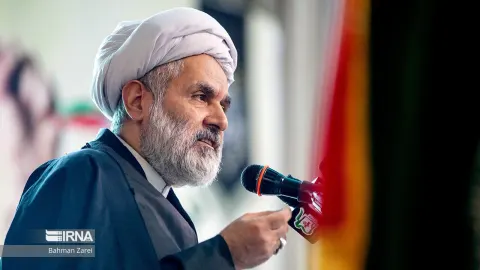
Politically, the Iranian establishment is focusing on internal messaging. Secretary of the Supreme National Security Council, Mohsen Rezaei, recently praised the late Ali Larijani as a "capable and qualified" manager. Such statements are often viewed by analysts as attempts to project institutional stability and unity during periods of high external pressure. For the average citizen, however, the focus remains on the rising cost of living as global energy prices continue to impact the price of imported goods and domestic services.
Frequently Asked Questions
Why is the Iran conflict affecting UK inflation?
What is causing the slowdown in the Strait of Hormuz?
Why did gold prices rise in Iran while the dollar remained stable?
The Strait of Hormuz: A Strategic Chokepoint Shaping Global Oil Prices
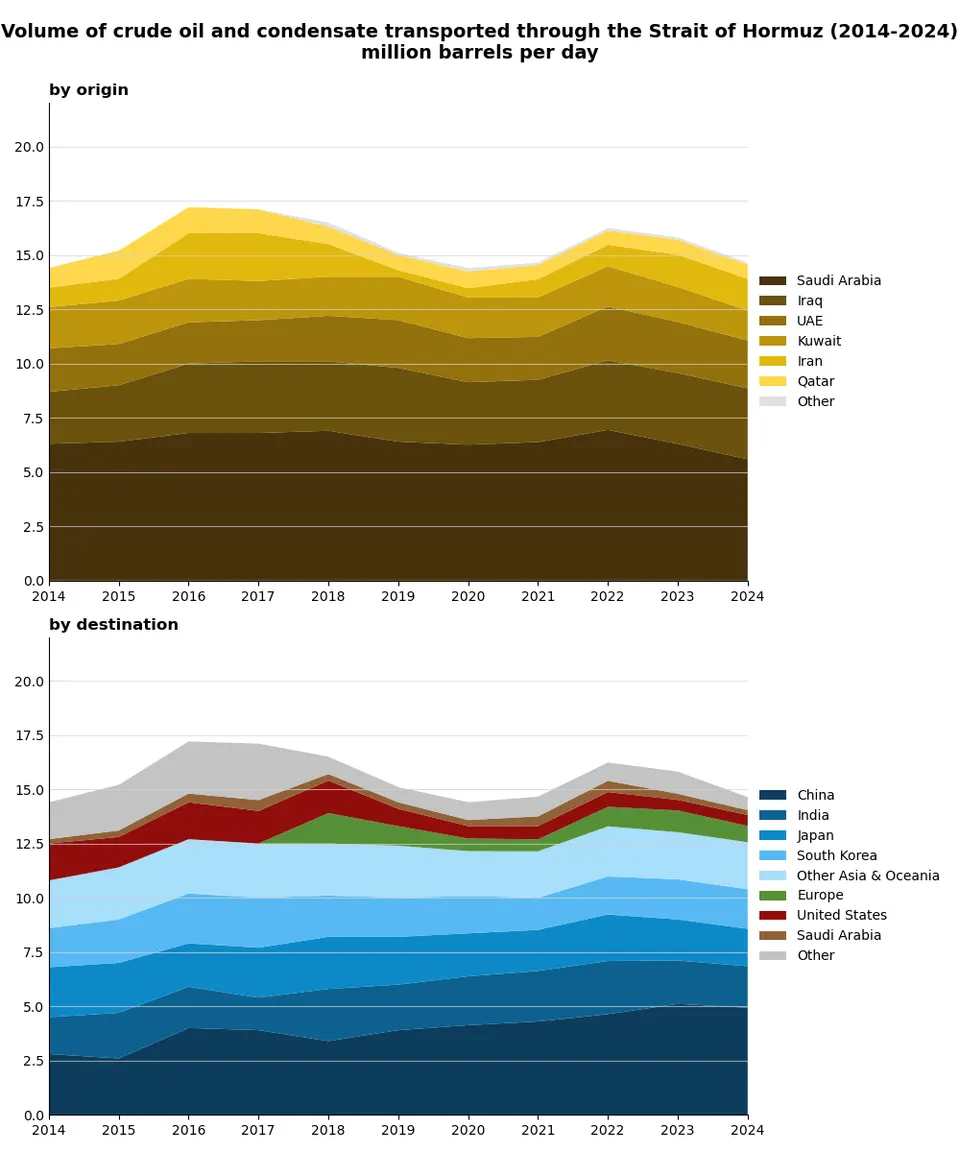
The Strait of Hormuz, a narrow waterway between the Persian Gulf and the Gulf of Oman, is one of the world’s most critical maritime chokepoints. At roughly 21 nautical miles wide at its narrowest point, it channels about a fifth of global oil consumption—roughly 20 million barrels per day—through its lanes. Because the majority of the world’s oil exports from the Middle East (Saudi Arabia, Iran, Iraq, Kuwait, and the United Arab Emirates) must pass through Hormuz, any disruption can instantly reverberate across international markets, pushing prices up or down in minutes.
Geopolitical tensions, especially between Iran and Western powers, have repeatedly turned Hormuz into a flashpoint. Iran has threatened, and at times briefly closed, the strait as a bargaining tool or retaliatory measure. Such threats trigger immediate risk premiums in oil futures, as traders price in the possibility of supply shortages. The 2019 attacks on oil tankers and the 2020 drone and missile incidents that briefly halted traffic are recent examples that caused Brent crude to spike by several dollars per barrel within hours.
The mechanics of price transmission are straightforward: when shipping routes are perceived as unsafe, insurers raise war risk premiums, shipping companies demand higher freight rates, and shippers may reroute vessels around the Cape of Good Hope—a much longer and costlier journey. These added costs are passed on to consumers, contributing to higher gasoline and heating oil prices worldwide. Conversely, when the strait reopens smoothly, the market often experiences a rapid price correction as the risk premium evaporates.
Understanding Hormuz’s role helps explain why inflation figures in countries far from the Middle East—such as the United Kingdom—can be nudged upward when the strait’s traffic slows. The ripple effect reaches currency markets, commodity prices (including gold, which often serves as an inflation hedge), and even exchange rates like Iran’s toman, as oil revenue fluctuations affect national budgets. In short, the health of this narrow channel is a barometer for the broader global economy.
Topics
Related Articles