Trump Pauses Canada Tariffs as Bitcoin Holds $64k; Australian Legal Drama Sparks Global Justice Debate
تعلیق تعرفههای ترامپ علیه کانادا و ثبات بیتکوین در ۶۴ هزار دلار؛ جنجال حقوقی در استرالیا
A dramatic 11:00 AM Tehran briefing as Donald Trump grants a 72-hour reprieve on Canadian tariffs, while an Australian murder appeal raises questions about judicial integrity. Meanwhile, Bitcoin stabilizes as regional tensions keep gold prices on an upward trajectory.
At time of publishing
USD
188,400
Toman
Gold 18K
19.39M
Toman / gram
Bitcoin
$64,291
US Dollar
Tether
189,364
Toman
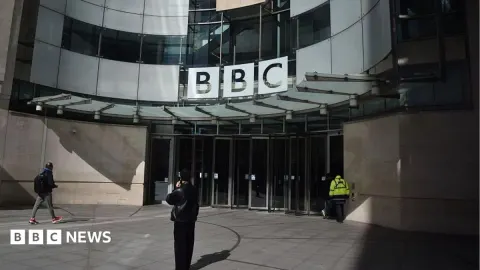
The 'Catastrophic' Justice Failure: Erin Patterson’s High-Stakes Appeal
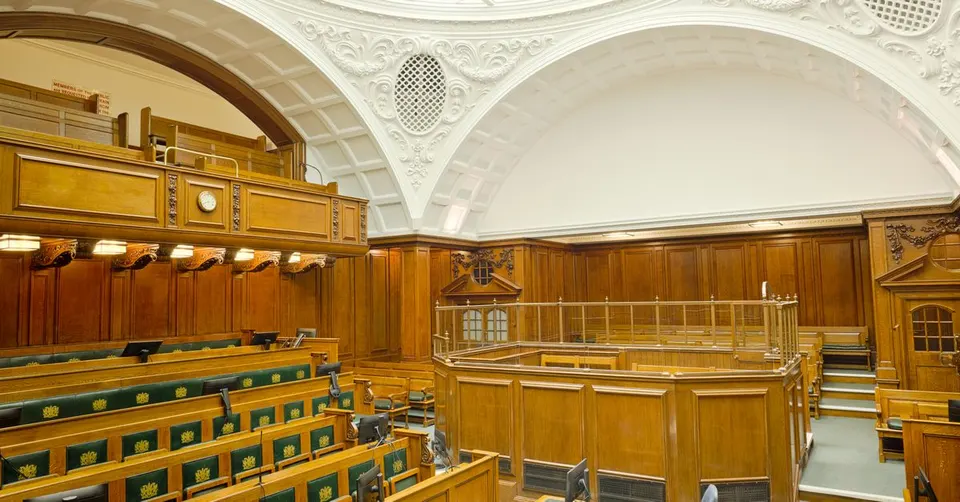
In a case that has gripped international legal observers, lawyers for Erin Patterson have launched a powerful appeal against her triple-murder convictions in Australia. The defense team argues that the trial suffered a "catastrophic" failure of justice because jurors were permitted to stay in the same hotel as the police and prosecution team during their deliberations. This unprecedented proximity, the defense claims, fundamentally undermined the impartiality of the jury, creating an environment where external influence—intentional or otherwise—was virtually unavoidable.
While the prosecution maintains that the system worked as intended and that jurors were under constant supervision, the case highlights a growing global debate over judicial integrity and the rights of the accused to a fair trial. For readers following international standards of law, the outcome of this appeal could set a major precedent for how high-profile criminal trials are managed in the digital and sequestered age. The drama in the Victorian Court of Appeal serves as a reminder that even in established democracies, the mechanics of justice are frequently under intense scrutiny.
Trump’s Tariff Reprieve and the Keystone XL Revival
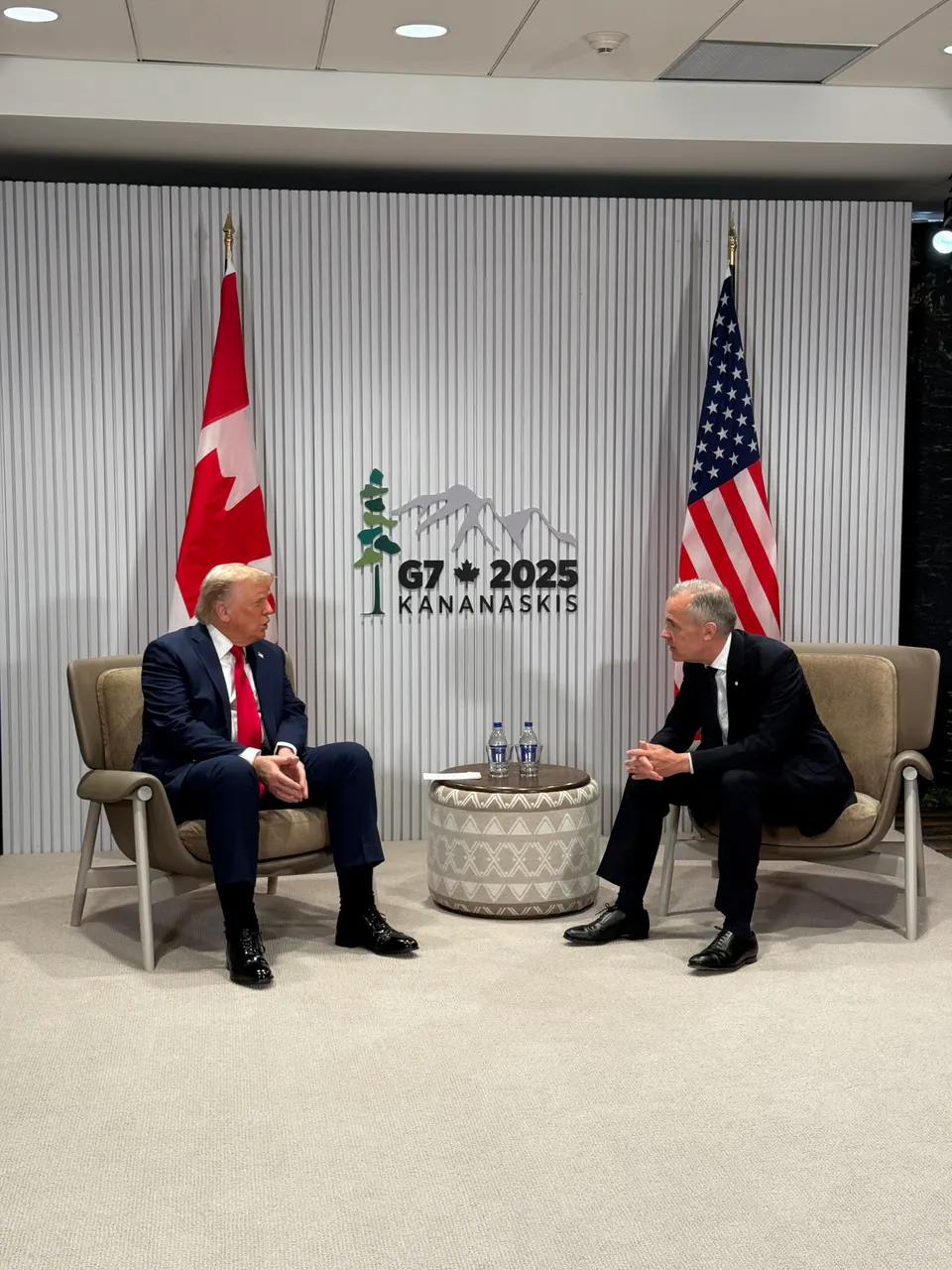
Turning to the global economy, President Donald Trump has temporarily paused his threat of a 50% tariff on Canadian goods, granting a three-day window as negotiators in Washington and Ottawa scramble to finalize a trade deal. This last-minute delay averted an immediate shock to the North American supply chain, which would have affected approximately $20 billion worth of goods. The pause was announced following intense discussions with Canadian Prime Minister Mark Carney, though Carney was quick to note that "important work" remains before a final agreement is signed.
Adding a significant layer to this economic maneuver, Trump has hinted at the potential revival of the Keystone XL oil pipeline project, suggesting it might be "awoken from the grave." This move is seen as a strategic play to lower energy costs and reduce reliance on Middle Eastern oil. For the global markets, this signals a potential shift in energy logistics that could impact oil pricing long-term, especially as the "Iran war" narrative continues to drive energy bills higher in Europe and the UK, where inflation recently spiked to 2.9%.
Ukraine’s Internal Friction: The Call for Wartime Elections
In the geopolitical arena, Ukraine is facing a new internal challenge as the recently sacked defense minister has publicly called for a presidential election. Despite the ongoing martial law that has been in place since February 2022—which legally suspends all electoral processes—the call highlights growing political tensions within Kyiv. This dissent suggests a fracturing of the wartime consensus as the conflict drags on, raising questions about the long-term stability of the current administration and its ability to maintain a unified front against external pressure.
This development is being closely watched by global markets as an indicator of geopolitical risk. Political instability in a key conflict zone often triggers a flight to safety, which explains why gold prices remain resilient. For Iranian observers, any shift in the Ukrainian political landscape is critical, as it directly influences the focus of Western military and financial resources, which in turn impacts the broader geopolitical balance in the Middle East and the efficacy of international sanctions regimes.
Market Snapshot: Gold Gains as Toman Remains Volatile
As of 11:00 AM in Tehran, the domestic markets are reflecting the heightened global uncertainty. Gold 18k per gram has risen from 19,292,211 to 19,391,476 Toman, a 0.5% increase in the last 24 hours. The Emami coin also saw a more pronounced jump, moving from 192,000,000 to 193,500,000 Toman (+0.8%). These moves suggest that local investors are increasingly seeking shelter in hard assets as inflation concerns, both domestic and global, refuse to subside.
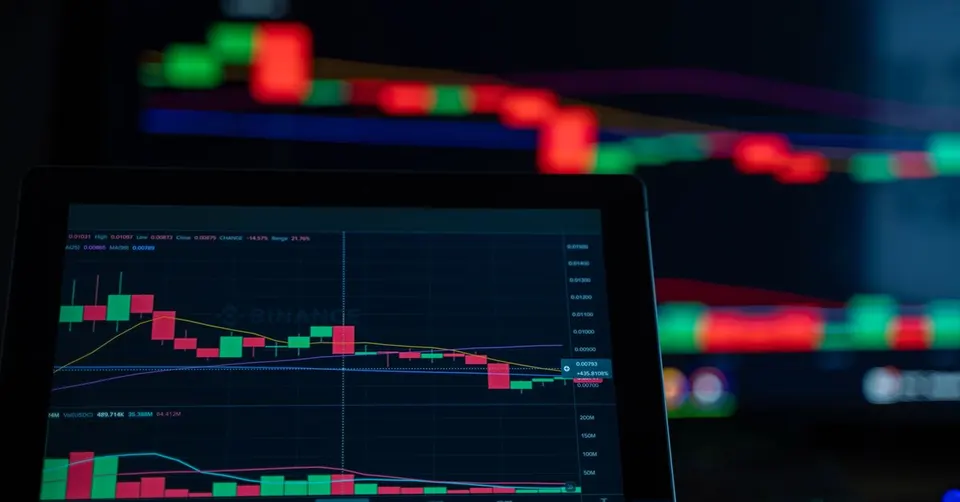
In the cryptocurrency space, Bitcoin remains steady, coiling in a tight range around $64,291. While crypto traders had previously placed heavy bets on the Unitree IPO, which surged 600% in Shanghai, the broader digital asset market is currently in a wait-and-see mode. Meanwhile, the USD/IRR rate showed a marginal decline, moving from 188,500 to 188,400 Toman (-0.1%). Despite this slight dip, the underlying pressure on the Toman remains high, particularly as Iranian officials like Mohammad Bagher Ghalibaf travel to Baghdad to claim advancements in regional cooperation, though the actual economic impact of such diplomatic moves remains to be seen.
Frequently Asked Questions
Why did Trump pause the tariffs on Canada?
How is the Iran-related conflict affecting UK inflation?
What is the significance of the Erin Patterson appeal in Australia?
Why is gold rising in Iran while the USD is slightly down?
Understanding Tariffs: Tools of Trade Policy
Tariffs, often making headlines in international trade disputes, are essentially taxes imposed by a country on imported goods or services. Their primary purposes are multifaceted: to protect domestic industries from foreign competition, to generate revenue for the government, and sometimes, to serve as a political tool or bargaining chip in international relations. When a country imposes a tariff, it makes imported goods more expensive, theoretically encouraging consumers to buy domestically produced alternatives.
The mechanism of tariffs is straightforward but its effects ripple through economies. For an importing country, tariffs increase the cost for businesses that rely on foreign inputs, which can then be passed on to consumers in the form of higher prices. While domestic industries might initially benefit from reduced competition, they can also face higher costs if they use imported components. For exporting countries, tariffs can reduce their market access and competitiveness in the tariff-imposing nation, potentially leading to job losses and reduced economic activity in their own industries.
The broader implications of tariffs can be significant. They can spark retaliatory tariffs from affected countries, escalating into full-blown trade wars that disrupt global supply chains, reduce overall trade volumes, and dampen economic growth worldwide. The decision to impose or pause tariffs, as seen in the headline regarding Canada, is a strategic economic and diplomatic move, reflecting a government's assessment of its national interests against the potential for international friction and economic disruption.
Ultimately, tariffs represent a powerful but often contentious instrument of trade policy. While they can offer short-term protection to specific domestic sectors, their long-term effects can include higher prices for consumers, reduced innovation due to less competition, and strained international relations. Understanding tariffs is crucial for comprehending the complexities of global trade, economic nationalism, and the delicate balance of international diplomacy.
Topics
Related Articles