Trump’s ‘Maximum Pressure’ 2.0 Meets Hormuz Crisis as Chinese Tankers Retreat
بازگشت فشار حداکثری ترامپ همزمان با بحران هرمز؛ عقبنشینی نفتکشهای چینی
The Trump administration is doubling down on economic sanctions against Iran, sparking fears of escalation in the Strait of Hormuz. With Chinese tankers idling and the Toman hitting new lows, the geopolitical risk premium is back in full force.
At time of publishing
USD
189,200
Toman
Gold 18K
19.52M
Toman / gram
Bitcoin
$64,239
US Dollar
Tether
189,002
Toman
The Return of Maximum Pressure: Trump’s Economic War
The Trump administration has officially signaled a return to the "Maximum Pressure" campaign, aiming to choke off Iran's remaining economic lifelines. According to recent reports, the strategy involves not just symbolic sanctions but a concerted effort to dismantle the shadow banking networks that have allowed Tehran to survive previous rounds of isolation. Analysts suggest that while Iran has developed a high tolerance for economic pain over the decades, the current approach is designed to trigger a domestic crisis by targeting the currency and essential imports simultaneously.
This renewed aggression comes at a time when the Iranian economy is already fragile. The logic from Washington appears to be that a weakened adversary is more likely to negotiate, yet history suggests otherwise. Instead of a surrender, experts warn that Tehran is likely to respond with its own brand of escalation, potentially targeting maritime security or regional stability to prove that the cost of sanctions is a two-way street. For the average Iranian reader, this translates to immediate volatility in the foreign exchange market and a looming sense of uncertainty regarding the cost of living.
Stalemate at Sea: Chinese Tankers Idle in Hormuz
In a dramatic development in the Persian Gulf, ship-tracking data reveals that several Chinese supertankers, including the Hong Kong-flagged Sea V and Hestia, have performed U-turns or are currently idling near the Strait of Hormuz. This rare hesitation from Chinese vessels, which traditionally serve as the primary buyers of Iranian crude despite international restrictions, suggests that the risk of kinetic conflict or aggressive boarding by U.S. forces has reached a tipping point. The Sea V, which had recently loaded crude in Iraq, is now waiting in the waterway, signaling a "wait-and-see" approach from Beijing’s maritime operators.
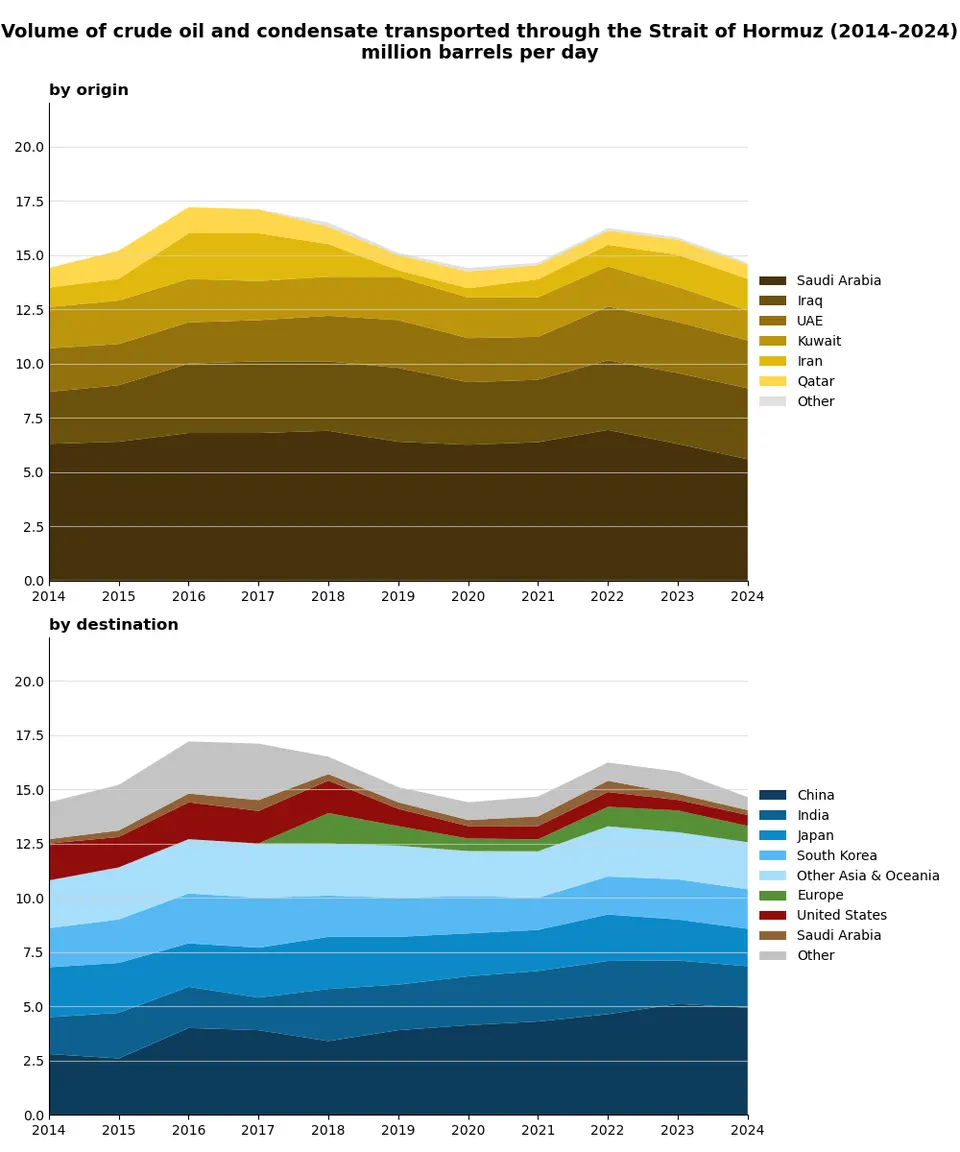
This maritime friction is already rippling through the global energy sector. While Brent crude remains around the $90 per barrel mark, the shortage of refined fuels is deepening due to constraints in Middle Eastern refineries and ongoing attacks on Russian processing plants. U.S. refiners are currently the primary beneficiaries of this chaos, running at record utilization rates to fill the gap left by regional instability. If the Strait of Hormuz becomes a sustained no-go zone for major tankers, the "war premium" on oil could easily push prices back toward the $120 range seen at the height of previous conflicts.
Toman and Gold: Local Markets React to War Drums
The domestic market in Tehran has wasted no time in pricing in the heightened geopolitical risk. The US Dollar (USD) has risen from 188,500 to 189,200 Toman over the last 24 hours, representing a 0.4% increase that reflects deepening anxiety over the new sanctions regime. This move toward the 190,000 level is a psychological barrier that traders are watching closely. The demand for hard currency is being driven by a flight to safety as households and businesses attempt to hedge against further devaluations expected from the Trump administration's next moves.

Gold has seen an even more pronounced surge, outperforming the currency as a store of value. The price of 18k gold per gram moved from 19,292,211 to 19,523,062 Toman (+1.2%), while the Emami coin jumped from 192,000,000 to 194,500,000 Toman (+1.3%). These gains are fueled by the dual engine of a rising global gold price, currently at $4,358.10 per ounce, and the weakening Toman. For investors, the message is clear: as long as the rhetoric between Washington and Tehran remains at fever pitch, the domestic safe-haven assets will continue to command a premium, regardless of global economic cooling elsewhere.
Diplomacy and Deadlines: The Canada-US Trade Deal
While tensions flare in the Middle East, a different kind of economic drama has reached a temporary resolution in North America. President Trump has reportedly paused his plan to implement a 50% tariff on Canadian goods following last-minute negotiations with Canadian officials, including Mark Carney. The deal, struck just before a midnight deadline, prevents a catastrophic trade war that would have disrupted supply chains across the continent. This pause highlights Trump’s preference for using massive tariff threats as a leverage tool to extract concessions, a tactic he is now applying to multiple fronts simultaneously.

The agreement with Ottawa is seen as a tactical retreat by the Trump administration to focus its economic firepower on more adversarial targets. For global markets, this provides a brief sigh of relief, as a full-scale trade war with Canada would have been deflationary for the U.S. but inflationary for everyone else. However, the "pause" is not a permanent peace; it remains contingent on Canada meeting specific demands regarding border security and energy exports. This pattern of governance—governing by deadline and disruption—is becoming the hallmark of the 2026 economic landscape, leaving little room for long-term stability.
Watch
Trump pauses Canada tariffs for three days
Reuters
Frequently Asked Questions
Why are Chinese tankers idling in the Strait of Hormuz?
How is the Toman reacting to the new 'Maximum Pressure' campaign?
What happened with the US-Canada tariff threat?
Understanding Economic Sanctions and 'Maximum Pressure' Campaigns
Economic sanctions are punitive measures imposed by one or more countries against a target country, group, or individual. Unlike military intervention, they are designed to achieve specific foreign policy objectives through economic coercion, such as altering a regime's behavior, deterring aggression, or preventing proliferation. These measures can range from trade restrictions and asset freezes to travel bans and embargos on specific goods like oil. The "Maximum Pressure" campaign, a term popularized by the Trump administration, represents an intensified form of sanctions, aiming to inflict severe economic pain to compel a target nation to completely capitulate to demands, often by cutting off its access to international financial systems and critical export markets.
The mechanics of such campaigns are multifaceted. For instance, sanctions targeting a country's oil exports, as seen with Iran, aim to drastically reduce its primary source of foreign currency revenue. This directly impacts the government's ability to fund its operations, import essential goods, and maintain its financial stability. The "Maximum Pressure" strategy extends beyond direct trade bans, often including secondary sanctions that penalize third-party entities (like Chinese oil tankers or international banks) for doing business with the sanctioned nation, thereby creating a chilling effect that further isolates the target from the global economy.
The consequences for the sanctioned country are profound and far-reaching. Domestically, severe sanctions can trigger currency depreciation (such as the Toman's exchange rate), hyperinflation (reflected in rising gold prices in Tehran), shortages of essential goods, and a decline in living standards. Geopolitically, these campaigns can heighten tensions, as nations under pressure might seek alternative routes for trade or resort to actions perceived as destabilizing, such as threats to vital shipping lanes like the Strait of Hormuz. While proponents argue that sanctions are a necessary tool to avoid military conflict, critics often point to their humanitarian cost and debatable effectiveness in achieving long-term policy changes.
Topics
Related Articles