Humanoid Robot Mania: Unitree Surges 600% as UK Inflation Spikes on Iran Conflict
جهش ۶۰۰ درصدی غول رباتیک چین در بورس؛ سایه جنگ ایران بر تورم بریتانیا و بازار طلا
Unitree's stock debut marks a historic shift in tech investing with a 600% gain, while UK inflation hits 2.9% as the Iran conflict chokes global energy supplies. In Tehran, the US Dollar has breached the 190,000 Toman mark amid rising regional tensions.
At time of publishing
USD
190,700
Toman
Gold 18K
19.57M
Toman / gram
Bitcoin
$64,332
US Dollar
Tether
189,700
Toman
Unitree’s Humanoid Robots Spark 600% Market Frenzy
The Chinese stock market witnessed a historic debut today as Unitree, the world’s leading humanoid robot manufacturer, saw its shares surge by a staggering 600%. This marks the first time a humanoid robot firm has listed on mainland China's stock exchange, and the investor appetite was nothing short of manic. Unitree has gained international notoriety for its viral videos showing robots performing complex martial arts, running at Olympic-level speeds, and even acting as backup dancers for pop stars. The listing suggests that despite broader economic headwinds in the region, the strategic push toward high-end automation remains a top priority for Beijing and its domestic investors.
This surge is not merely a speculative bubble but a reflection of the accelerating race for AI-driven hardware. As global bond yields hit multi-decade highs, rattling traditional equities, capital is fleeing toward sectors that promise radical industrial transformation. Unitree’s success is a signal to the global tech industry that the age of the humanoid worker is no longer a distant sci-fi concept but a multi-billion dollar asset class. Analysts suggest that the massive oversubscription of this IPO indicates a deep-seated belief that China will lead the world in the mass production of autonomous labor units, potentially bypassing traditional labor shortages.

UK Inflation Hits 2.9% as Iran Hostilities Choke Energy
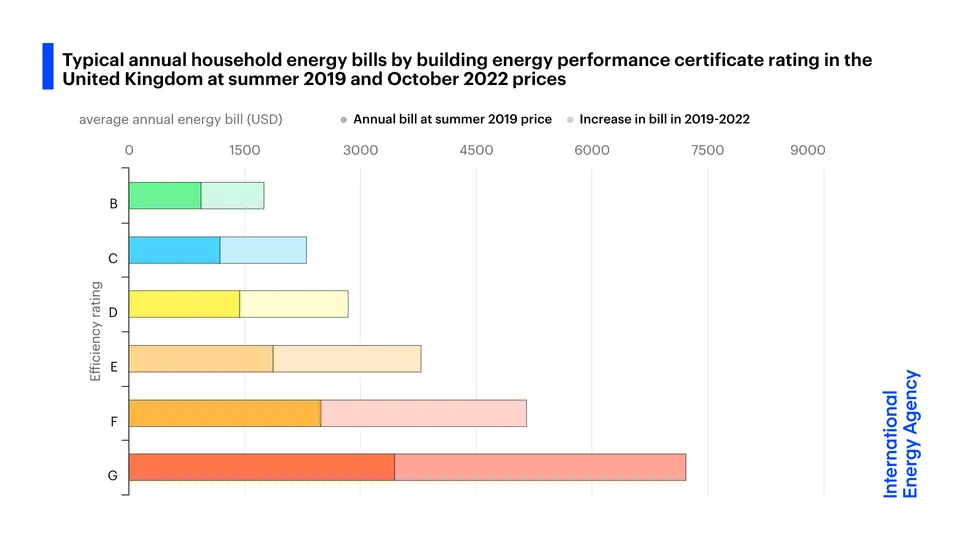
In London, the economic cost of the ongoing Middle Eastern conflict has become painfully clear. UK inflation jumped to 2.9% in July, the highest rate in four months, driven primarily by a sharp rise in energy bills. Chancellor John Healey stated today that the war involving Iran "continues to impact prices here at home," as the Ofgem quarterly price cap was forced upward by global supply constraints. While Prime Minister Andy Burnham had hoped to shield households from a fresh cost-of-living squeeze, the reality of the "Iran War" is overwhelming domestic policy efforts.
What makes this inflation spike particularly concerning is its persistence despite a brief period of optimism following Donald Trump’s earlier efforts at a "memorandum of understanding." The relief in fuel prices seen in June has been entirely erased by the reality of restricted supply routes. For the average British consumer, this means that geopolitical shifts in the Persian Gulf are now directly dictating the price of heating and electricity. This development underscores how sensitive the global economy remains to Iranian regional stability, or the lack thereof, regardless of how many miles separate the conflict from European capitals.
Toman Weakens as Hormuz Shipping Slows and Cyber Charges Mount
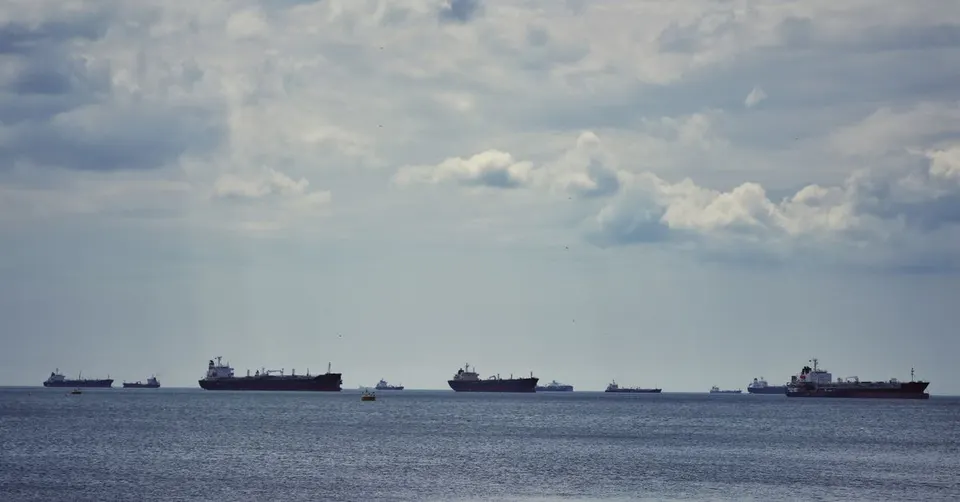
The Iranian Toman has faced renewed pressure this hour, with the USD/IRR exchange rate moving from 188,500 to 190,700, representing a 1.2% depreciation over the last 24 hours. This market anxiety is closely tied to the physical reality at the Strait of Hormuz, where commodity vessel traffic has slowed significantly. Ship-tracking data from Kpler shows that only six commodity vessels transited the Strait on Tuesday, nearly half of the 10-day average. Shipping operators are increasingly avoiding the area due to heightened security concerns and uncertainty regarding the extent of Iranian maritime control, which has directly fueled a flight to safety in the domestic gold and currency markets.
Adding to the geopolitical friction, the US Department of Justice has officially charged 17 Iranians in connection with a "massive" cyber theft campaign. US officials claim these attacks were carried out on behalf of the Iranian government, targeting critical infrastructure and private data. While the Iranian government frequently denies such allegations, the timing of these charges—coupled with the maritime slowdown—has reinforced the "Maximum Pressure" atmosphere. For the local market in Tehran, this combination of digital and physical blockades means that the cost of gold and hard currency is likely to remain on an upward trajectory as long as the threat of further sanctions or kinetic escalation looms.
Gold and Coin Markets React to Regional Risk
Following the currency's lead, the gold market in Tehran has seen a sharp uptick in activity. Gold 18k per gram rose from 19,292,211 to 19,569,232 Toman (+1.4%), while the Emami coin surged by 1.3% to reach 194,500,000 Toman. This movement is a classic hedge against the rising risks associated with the Iran conflict. Investors are clearly prioritizing liquidity and portable wealth as the situation in the Persian Gulf remains volatile.
Interestingly, while global Bitcoin prices remain relatively flat around the $64,000 mark, the domestic USDT (Tether) price in Iran has tracked the rising dollar, sitting at 189,700 Toman. This suggests that the primary driver of current market movements is not global crypto sentiment but localized geopolitical fear. As long as the Strait of Hormuz remains a bottleneck for global energy and a flashpoint for military tension, the Toman will likely struggle to find a floor against both gold and the US Dollar.
Frequently Asked Questions
Why did Unitree's stock surge 600% on its first day?
How is the Iran conflict affecting UK inflation?
Why is shipping traffic slowing down in the Strait of Hormuz?
Understanding Geopolitical Supply Shocks and Their Global Inflationary Impact
Geopolitical supply shocks are a critical economic phenomenon where political instability or conflict in strategically important regions disrupts the supply of essential commodities, particularly energy. The headline's mention of the Iran conflict and its impact on UK inflation directly illustrates this concept. Such events can trigger a cascade of economic consequences that ripple across the globe, affecting economies far removed from the immediate conflict zone.
A prime example of such a strategic choke point is the Strait of Hormuz, a narrow waterway bordering Iran and Oman, through which a significant portion of the world's seaborne oil passes daily. Any perceived threat, disruption, or actual blockage in this vital transit route immediately creates immense uncertainty in global energy markets. This uncertainty leads to speculation and drives up the prices of crude oil and natural gas, as traders and nations anticipate potential scarcity and higher costs for securing energy supplies.
The surge in energy prices acts as a potent "cost-push" factor within the global economy. Businesses, from manufacturing plants to transportation companies, face increased operational costs due to more expensive fuel and raw materials. These elevated costs are then passed on to consumers in the form of higher prices for a wide array of goods and services. This widespread increase in the general price level across an economy is known as inflation, eroding purchasing power and potentially slowing economic growth.
Ultimately, the interconnectedness of the global economy means that localized geopolitical events, especially those affecting critical commodity flows, can have profound and often inflationary consequences worldwide. Understanding these supply shocks is crucial for grasping how international relations and regional conflicts can directly influence daily living costs and economic stability in distant nations, compelling central banks and governments to navigate complex economic challenges.
Topics
Related Articles