UAE Halts Trade Ties with Iran Amid Missile Claims; Tehran Seeks Iraqi Alliance as Markets React
امارات روابط تجاری با ایران را به دلیل ادعای حمله موشکی متوقف کرد؛ تهران در پی ائتلاف با عراق و واکنش بازارها
The United Arab Emirates has announced a halt to trade ties with Iran, citing missile targeting and escalating regional tensions, a move that could significantly impact Iran's sanction-evasion efforts. Concurrently, Iran's parliament speaker is in Baghdad seeking to strengthen strategic cooperation, while Ukraine faces demands for compensation over an alleged drone attack on an Iranian vessel. These geopolitical shifts are causing market ripples, with the USD/IRR and gold prices seeing notable increases.
At time of publishing
USD
190,900
Toman
Gold 18K
19.61M
Toman / gram
Bitcoin
$64,475
US Dollar
Tether
189,990
Toman
UAE Halts Trade Ties with Iran Amid Missile Claims, Market Reacts
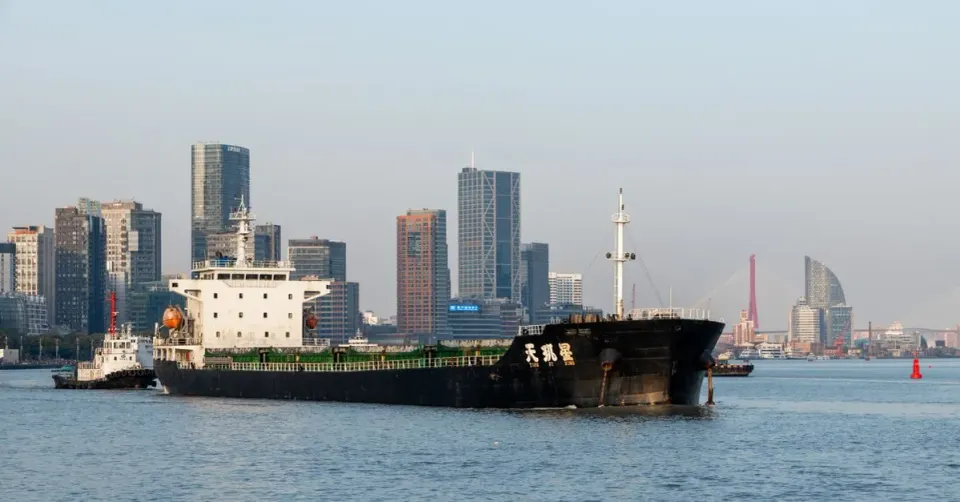
In a significant escalation of regional tensions, the United Arab Emirates has announced a halt to its trade ties with Iran, claiming it was targeted with missiles. This development marks a critical turning point given the UAE’s historical role as a vital conduit for Iran to conduct international trade and circumvent stringent international sanctions. The sudden cessation of these long-standing economic links is poised to inflict further pressure on the Iranian economy, potentially complicating its access to global markets and essential goods.
The implications for Iran are substantial. The UAE has, for decades, served as a crucial hub for Iranian businesses, facilitating everything from financial transactions to the import and export of various commodities, often under the radar of international scrutiny. This halt will likely force Iran to seek alternative, potentially more costly and less efficient, trade routes and partners, exacerbating the economic challenges already faced by its citizens. The market has already shown signs of unease; the USD/IRR exchange rate moved from 188,500 to 190,900 (+1.3%), while Gold 18k/gram increased from 19,292,211 to 19,606,168 (+1.6%), and the Emami coin rose from 192,000,000 to 194,500,000 (+1.3%) in the last 24 hours, reflecting growing uncertainty and a potential flight to perceived safer assets amidst escalating regional instability.
Iran's Parliament Speaker in Baghdad to Bolster Regional Ties
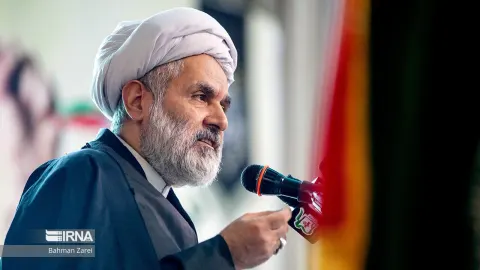
Against the backdrop of heightened regional tensions, Iran's parliament speaker, Mohammad Bagher Ghalibaf, has arrived in Baghdad for high-level talks. Leading a parliamentary delegation, Ghalibaf's visit aims to discuss regional developments and strengthen strategic cooperation between Tehran and Baghdad, as reported by Iran's Fars news agency. This diplomatic overture underscores Iran's persistent efforts to solidify its influence in a neighboring country that shares a long border and significant cultural and religious ties, particularly as Iraq navigates complex relationships with both Iran and the United States.
The timing of Ghalibaf's visit is particularly noteworthy, occurring amidst sustained pressure from Washington on Iraq to disarm powerful Iran-backed armed factions that have amassed considerable political and financial clout within the country. Ghalibaf, who previously led negotiations with the United States to de-escalate Middle East conflicts, is likely to engage in discussions that touch upon regional security, economic partnerships, and the broader geopolitical landscape. For Iranian readers, this visit highlights the government's proactive diplomatic strategy to secure alliances and navigate a challenging international environment, potentially countering the isolation imposed by sanctions and recent trade halts.
Ukraine Faces Demand for Compensation Over Alleged Attack on Iranian Ship
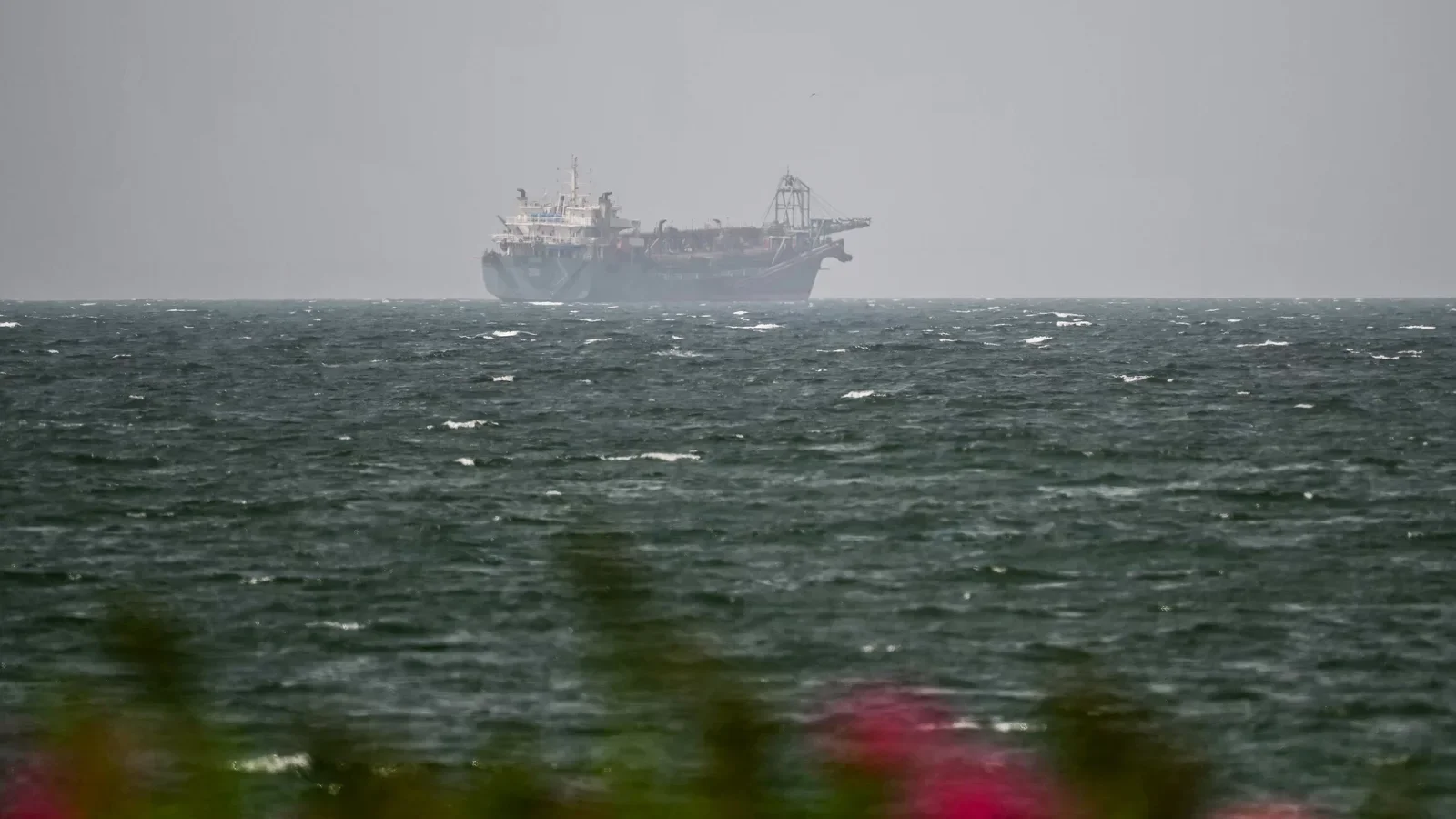
Iran’s ambassador to Russia has issued a stern demand for compensation from Ukraine, following an alleged drone attack on the Iranian merchant ship Anna in the Caspian Sea. The incident reportedly resulted in the death of one crew member and injuries to several others. This claim, if independently verified, would represent a direct and aggressive act against Iranian commercial shipping by Ukraine, adding a new and volatile dimension to the ongoing conflict between Russia and Ukraine, and its wider regional ramifications.
This incident potentially escalates the proxy dynamics of the conflict, drawing Iran more directly into the fray through its commercial interests. The demand for compensation signifies Iran's official stance and its intent to hold Ukraine accountable for damages and loss of life. Such an event could prompt retaliatory measures or further diplomatic fallout, impacting maritime security in the Caspian Sea – a crucial waterway for trade and energy for several nations, including Iran. The implications extend beyond the immediate financial compensation, potentially affecting international shipping insurance rates and the perceived safety of commercial vessels in the region.
Zelenskyy Sacks Deputy Head Amid Corruption Probe in Ukraine
Ukrainian President Volodymyr Zelenskyy has dismissed a deputy head of his office following reports of a corruption investigation. This decision comes as Ukrainian anti-corruption agencies are actively probing a group allegedly responsible for laundering millions of dollars, although specific individuals involved in the scheme have not yet been publicly named. The sacking underscores the ongoing commitment of the Ukrainian government to address systemic corruption, a critical issue that has long been a concern for international partners providing substantial financial and military aid to Kyiv.
The removal of a high-ranking official amidst a corruption probe is a significant step in Ukraine's efforts to demonstrate accountability and strengthen its governance. International donors, particularly the European Union and the United States, have consistently emphasized the importance of anti-corruption reforms as a condition for continued support. While an internal political matter, such actions have profound geopolitical implications, influencing global trust in Ukraine's leadership and its ability to secure sustained international backing as it navigates the complexities of war and reconstruction. The broader context of rising borrowing costs in Germany and other Western economies, partly driven by increased defense spending related to the conflict, highlights the financial pressures linked to these dynamics.
Frequently Asked Questions
What is the immediate impact of the UAE's decision to halt trade with Iran?
How might the UAE's missile claim affect regional security?
What is the significance of Mohammad Bagher Ghalibaf's visit to Iraq?
What are the implications of Ukraine being accused of attacking an Iranian ship?
How are these geopolitical developments reflected in Iranian markets?
Understanding Economic Sanctions and Their Far-Reaching Impact
Economic sanctions are restrictive measures imposed by one or more countries, or international bodies, against a target country, entity, or individual. Far from being acts of war, they are a foreign policy tool designed to coerce a change in behavior or policy without resorting to direct military intervention. These measures can range from comprehensive trade embargoes that prohibit nearly all commerce to more targeted restrictions, such as asset freezes on specific individuals or entities, travel bans, or limitations on access to financial markets and technology. The underlying goal is to inflict economic pain severe enough to compel the target to comply with international norms, cease specific activities, or alter their political course.
For a country like Iran, which has faced extensive sanctions for decades, these measures have profound and multifaceted impacts. Sanctions have severely restricted Iran's ability to sell oil, its primary export, on international markets, significantly reducing government revenue. They have also hampered its access to global financial systems, making it difficult to conduct legitimate international trade, obtain foreign investment, and import essential goods and technologies. This economic isolation often leads to a reliance on informal or black markets, which can distort domestic prices and currency values.
The ripple effects of sanctions are widespread, touching nearly every aspect of the target economy and society. Domestically, they can trigger high inflation, currency depreciation (as seen with the USD/IRR exchange rate), and a surge in the price of commodities like gold as people seek stable stores of value. They can also lead to shortages of critical goods, unemployment, and a general decline in living standards, potentially fueling social unrest. Geopolitically, sanctions can compel the targeted nation to seek new alliances and trade partners, as Tehran's reported efforts to forge closer ties with Iraq suggest, as a means to circumvent restrictions and maintain economic lifelines, further reshaping regional dynamics.
Topics
Related Articles