Trump’s Tariff Truce and the Old Bailey Deadlock: Global Markets Brace for Impact
عقبنشینی ترامپ از تعرفههای کانادا و بنبست دادگاه لندن؛ شوک ۱.۶ درصدی به دلار در تهران
Trump pauses Canada tariffs in a surprise de-escalation while a major UK trial involving activists and an Israeli defense firm ends in a hung jury. Meanwhile, the Toman faces fresh pressure as the Dollar climbs toward the 192,000 mark.
At time of publishing
USD
191,500
Toman
Gold 18K
19.67M
Toman / gram
Bitcoin
$64,956
US Dollar
Tether
189,799
Toman
The Old Bailey Deadlock: Palestine Action Trial Discharged
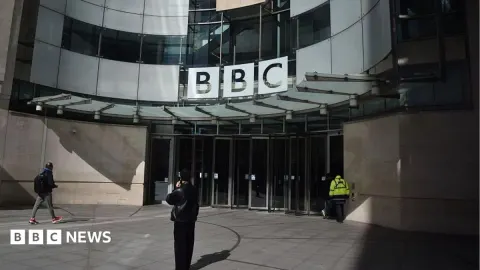
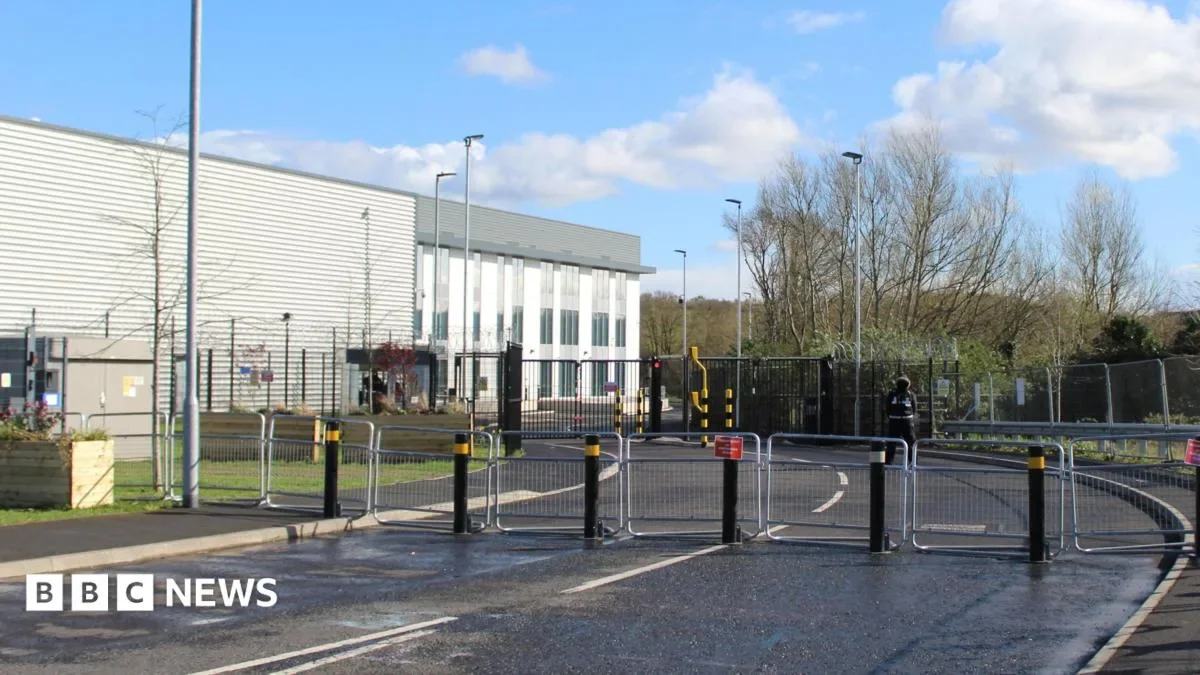
In a significant legal development at London’s Old Bailey, the jury in the trial of Palestine Action activists has been discharged after 37 hours of deliberations failed to produce a verdict. The case, which centered on a high-profile raid against an Elbit Systems facility—a major Israeli defense contractor—has been a focal point for international activists and legal observers alike. The inability of the jury to reach a consensus highlights the complex intersection of domestic law and international political protest, especially as it relates to the global defense supply chain.
For observers in the Middle East, this trial is seen as a barometer for how Western legal systems handle direct action against companies involved in regional conflicts. While the discharge of the jury means a potential retrial, it underscores the persistent friction within the UK regarding its industrial ties to the Israeli military. This legal stalemate comes at a time when grassroots pressure on defense firms is reaching an all-time high, creating a volatile environment for companies operating in this sector.

Trump’s Tactical Retreat: The Canada Tariff Pause
In a move that caught global markets by surprise, Donald Trump has announced a pause on his threatened 50% punitive tariffs on Canada just hours before the deadline. The decision followed what Canadian Prime Minister Mark Carney described as "substantial progress" on a new trade deal. Trump, ever the negotiator, used the eleventh hour to dangle a massive carrot: the potential revival of the Keystone XL pipeline, which he suggested could be "awoken from the grave" as part of the final agreement. This pivot from threats to potential energy cooperation has momentarily stabilized the North American trade outlook.
However, the underlying tension remains palpable. The dispute over Canadian auto exports is still unresolved, with a new deadline set for Friday. This "maximum pressure" tactic against a close ally demonstrates the administration's willingness to use extreme economic leverage to secure concessions. For global investors, this volatility is a double-edged sword; while the immediate threat of a trade war is averted, the unpredictability of US trade policy continues to bake a "risk premium" into international markets, affecting everything from currency pairs to commodity futures.
Tech Titans and the AI Chip War
Turning to the markets, the semiconductor landscape is seeing a dramatic reshuffle. Marvell Technology’s stock surged following news of a major chip deal with Google, which includes an option for the tech giant to purchase approximately $12 billion worth of Marvell’s shares. Conversely, Broadcom saw its shares dip as investors recalibrated their expectations in the custom AI silicon race. This shift emphasizes that in the 2026 tech economy, the ability to provide bespoke hardware for AI workloads is the ultimate competitive advantage.
Simultaneously, South Korea’s SK Hynix has launched a massive $29 billion stock buyback program, boldly claiming that its current share price does not reflect its "intrinsic value." This move is a direct response to a sharp selloff in recent months and signals management's confidence in the long-term demand for high-bandwidth memory (HBM). For tech investors, these moves suggest that while the broader market might be jittery, the fundamental infrastructure of the AI revolution remains a high-stakes battlefield where billions are deployed to secure future dominance.
Tehran Market Update: Toman Under Pressure
In the local markets, the Iranian Toman is experiencing renewed volatility. The USD/IRR exchange rate moved from 188,500 to 191,500, representing a 1.6% increase within the last 24 hours. This move toward the 192,000 threshold is largely driven by a combination of regional geopolitical anxieties and the looming specter of tightened US sanctions. Gold prices have followed this upward trajectory, with 18k gold rising from 19,292,211 to 19,670,806 Toman (+2.0%), while the Emami coin jumped 2.1% to reach 196,000,000 Toman.

Adding to the economic pressure, reports of the UAE suspending trade ties with Tehran following missile allegations have created a sense of urgency among local traders. While Iranian athletes have provided a rare moment of celebration by securing medals at the Pakistan President’s Cup in Taekwondo, the broader economic sentiment remains cautious. The convergence of rising energy costs globally and the domestic currency's slide suggests that inflation expectations are once again being revised upward, forcing many to seek refuge in hard assets like gold and stablecoins.
Frequently Asked Questions
Why did Trump pause the Canada tariffs at the last minute?
What caused the 1.6% spike in the USD/IRR rate today?
What does the hung jury in the Palestine Action trial mean?
Understanding Tariffs and Trade Wars
Tariffs are essentially taxes levied by a government on imported goods or services. They serve multiple purposes: to protect domestic industries from foreign competition, to generate revenue for the government, or as a tool for political leverage in international relations. When a country imposes a tariff, it makes imported goods more expensive, theoretically encouraging consumers to buy domestically produced alternatives. However, this often comes at a cost, as domestic producers of goods that rely on imported components may face higher input costs, and consumers may end up paying more for a wider range of products.
The imposition of tariffs can frequently escalate into what is known as a "trade war." This occurs when one country's tariffs provoke retaliatory tariffs from its trading partners. For instance, if Country A places a tariff on steel from Country B, Country B might respond by placing tariffs on agricultural products from Country A. Such cycles of escalation disrupt global supply chains, increase uncertainty for businesses, and can lead to higher prices for consumers worldwide. The "Trump Canada Tariffs" mentioned in the keywords are a prime example of such trade friction, where the U.S. imposed tariffs on steel and aluminum, leading to Canadian retaliation.
The broader implications of trade wars extend beyond just the price of goods. They can significantly impact exchange rates, as seen with the "USD IRR Exchange Rate" often fluctuating due to geopolitical tensions and trade restrictions. They can also influence commodity prices, like "Gold Price Tehran," which often rises during periods of economic uncertainty as investors seek safe-haven assets. Ultimately, while tariffs are intended to protect domestic interests, a full-blown trade war can hinder global economic growth, reduce international cooperation, and create instability in financial markets.
Topics
Related Articles