Baghdad Thanks Iran as Ghalibaf Pushes Economic Ties; US Treasury Boosts Bonds, Target Refunds $1Bn Tariffs
بغداد از حمایت ایران قدردانی کرد؛ قالیباف بر روابط اقتصادی تاکید کرد؛ خزانهداری آمریکا اوراق قرضه را تقویت، تارگت ۱ میلیارد دلار بازپرداخت تعرفه دریافت کرد
Iraq's Prime Minister has voiced gratitude for Iran's support in Baghdad, where Parliament Speaker Ghalibaf is pushing for deeper economic cooperation, aiming to bolster bilateral trade beyond political ties. Meanwhile, the US Treasury is actively stabilizing its bond market by doubling debt buybacks amidst inflation fears, while retail giant Target has received a significant $1 billion boost from tariff refunds.
At time of publishing
USD
191,000
Toman
Gold 18K
19.72M
Toman / gram
Bitcoin
$67,955
US Dollar
Tether
188,800
Toman
Iran and Iraq Forge Stronger Economic Bonds Amidst Regional Gratitude
Iranian Parliament Speaker Mohammad Bagher Ghalibaf is currently on an official visit to Baghdad, where he met with Iraqi Prime Minister Ali al-Zaidi. During their discussions, the Iraqi Prime Minister expressed sincere appreciation for Iran's unwavering support, particularly highlighting Tehran's crucial role in Iraq's fight against Daesh. This diplomatic exchange underscores the deep-seated political and security ties between the two neighboring nations, a relationship often shaped by shared historical and strategic interests in a volatile region.
Beyond the expressions of gratitude, the core focus of Ghalibaf's visit appears to be a concerted effort to significantly expand economic cooperation between Iran and Iraq. He emphasized that the current level of bilateral economic relations does not adequately reflect the strength of their political and cultural bonds, urging for a substantial increase in trade and investment. For Iranian citizens, stronger economic ties with Iraq could translate into increased export opportunities for Iranian goods, potentially providing a much-needed boost to the domestic economy and offering some relief amidst ongoing sanctions and economic pressures. It also signifies Iran's continued reliance on regional alliances and trade routes to circumvent international isolation.
US Treasury Intervenes to Steady Bond Market Amid Inflation Fears
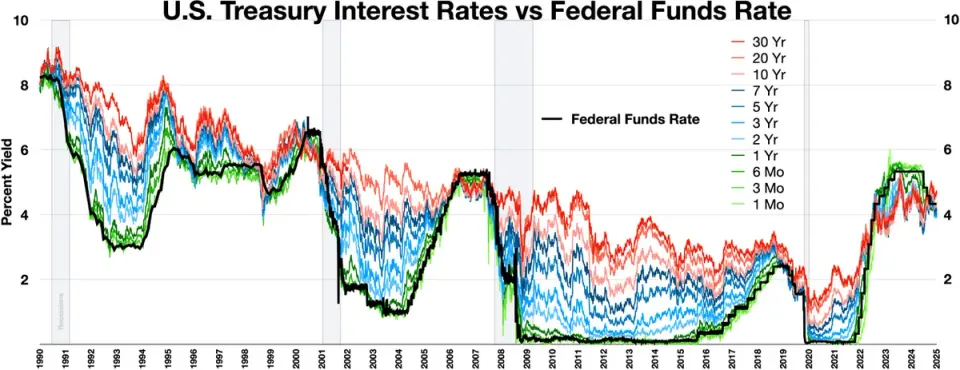
The US Treasury has announced a significant move to stabilize its bond market, doubling its debt buyback operations in an effort to provide greater liquidity support. This comes at a critical time when yields on 10-year, 20-year, and 30-year Treasury notes have soared to 20-year highs this week, with the 30-year yield reaching its highest rate since 2007. The rapid ascent of bond yields has raised alarm bells for borrowers across the economy, as these rates directly influence major loan products, including mortgages, thereby increasing borrowing costs for both companies and households and complicating overall economic policy.
This aggressive intervention by the Treasury is a direct response to persistent inflation fears that continue to grip financial markets. By buying back government debt, the Treasury aims to inject liquidity, reduce the supply of outstanding bonds, and thus put downward pressure on yields, making borrowing more affordable. For the global economy, and by extension, markets like Iran's, the stability of the US bond market is paramount. A volatile US bond market can trigger ripple effects, influencing global interest rates, capital flows, and investor sentiment, which could indirectly affect the value of the USD/IRR and the broader Iranian economy, impacting everything from import costs to investment decisions.
Retail Giant Target Receives $1 Billion Tariff Boost
In a significant financial uplift, US retail giant Target has announced it received a substantial $994 million pre-tax reimbursement from tariff refunds. This massive inflow directly contributed to the company's second-quarter operating income, which surged to $2.6 billion. The refund highlights the ongoing adjustments and complexities within global trade policies, particularly those related to tariffs that were previously imposed on goods imported from certain regions, most notably China.
This unexpected financial boost provides Target with considerable flexibility, potentially allowing the company to invest more in its operations, reduce prices for consumers, or return capital to shareholders. For the broader economy, such large-scale tariff refunds can signal shifts in trade policy or successful appeals by major importers, influencing supply chain strategies and potentially mitigating inflationary pressures on consumer goods. While seemingly a domestic US story, the financial health of major global retailers like Target can reflect underlying economic trends that impact manufacturing and shipping worldwide, indirectly affecting commodity prices and global trade dynamics which can then trickle down to emerging markets.
Zelenskyy Sacks Deputy Head of Office Amidst Corruption Probe
Ukrainian President Volodymyr Zelenskyy has dismissed a deputy head of his office, a move that comes amid reports of an ongoing corruption investigation. Although Ukrainian anti-corruption agencies stated they uncovered a group responsible for laundering $3.35 million, they did not publicly name the individuals involved in the scheme. This development is part of a broader, ongoing effort within Ukraine to tackle systemic corruption, a challenge that has long plagued the nation and remains a significant hurdle in its path toward closer integration with Western institutions.
The sacking underscores the persistent pressure on Ukraine to demonstrate robust governance and accountability, especially as it continues to receive substantial financial and military aid from international partners. Corruption investigations and high-profile dismissals, while sometimes disruptive, are often seen by allies as necessary steps to ensure aid is used effectively and to build trust. For the wider geopolitical landscape, such internal political shake-ups can influence international perceptions of Ukraine's stability and commitment to reform, potentially impacting the flow of future aid and support, which is critical for its ongoing conflict and economic recovery.

Florida's Senate Primary Sees Surprise Progressive Victory
In a surprising turn of events in Florida's Senate primary, progressive Democrat Angie Nixon clinched an unexpected win, much to the celebration of both progressive and establishment Democrats. This victory sets the stage for a competitive general election against Republican nominee Ashley Moody, who conservatives have already declared will walk away with the win. The Florida race is one of several closely watched primaries across the United States, as both major parties vie for control of the Senate in the upcoming general elections.
Nixon's win reflects a potential shift in voter sentiment within the Democratic party, showcasing the growing influence of progressive candidates even in traditionally swing states. For US politics, this outcome could signal a more ideologically diverse and potentially polarized political landscape heading into the general election. While seemingly a domestic political affair, the composition of the US Congress can have significant implications for foreign policy, trade agreements, and international relations. Changes in the Senate's balance of power can influence legislative priorities, impacting everything from sanctions regimes to global economic policies, which can have downstream effects on countries like Iran and global markets more broadly.

Market Snapshot Update: The Iranian Toman saw a slight depreciation against the USD, moving from 188,500 to 191,000 (+1.3%) in the last 24 hours. Gold prices continued their upward trajectory, with 18k gold per gram rising from 19,292,211 Toman to 19,721,593 Toman (+2.2%). The Emami coin also experienced a notable increase, climbing from 192,000,000 Toman to 198,000,000 Toman (+3.1%), reflecting continued investor interest in precious metals amidst economic uncertainties. Bitcoin (BTC) is currently trading at 67,955 USD, and Ethereum (ETH) at 2,064.25 USD.
How Economic Sanctions Influence Sovereign Bond Markets
Economic sanctions are coercive tools used by countries or international bodies to pressure a target nation into changing policies without resorting to military force. When sanctions restrict a country's access to foreign capital, investors perceive higher risk, which drives up the yields on that country's sovereign bonds. Higher yields mean the government must pay more interest to borrow, straining public finances and often forcing fiscal adjustments.
The United States Treasury, while primarily responsible for managing the federal government's finances, also monitors global bond markets because they reflect the health of economies under sanction. By buying or selling U.S. Treasury securities, the Treasury can influence global liquidity and indirectly affect the cost of borrowing for sanctioned states. For example, a surge in demand for safe‑haven U.S. Treasuries can push yields down, making alternative, riskier sovereign bonds relatively less attractive and raising their cost of capital.
In practice, when a nation like Iran faces extensive sanctions, its ability to issue new bonds in international markets diminishes. Existing bonds may trade at steep discounts, and any attempt to refinance can be hampered by limited investor participation. Conversely, countries seeking to strengthen ties—such as Iraq under the leadership of Mohammad Ghalibaf—may look to diversify financing sources, including regional bond issuances or bilateral loan agreements that bypass sanction‑heavy channels.
Understanding this dynamic helps explain why the U.S. Treasury might announce measures to “boost bonds” or adjust tariff refunds. Such actions can be part of a broader strategy to manage global financial stability, ensuring that sanctions achieve their political goals without triggering unintended market disruptions.
Related Articles