NATO on High Alert Over Iranian Strike Reports; Toman Breaches 190k as Geopolitical Risk Peaks
آمادهباش ناتو در پی گزارش طرحهای تهاجمی ایران؛ دلار از مرز ۱۹۰ هزار تومان گذشت
NATO officials declare they are 'prepared' to defend allies following reports of potential Iranian strikes on U.S. targets in Europe. Meanwhile, the Iranian Toman has slipped past the 190,000 mark as gold prices surge over 3% in Tehran.
At time of publishing
USD
190,400
Toman
Gold 18K
19.76M
Toman / gram
Bitcoin
$68,277
US Dollar
Tether
188,530
Toman
NATO Signals Readiness Amid Reports of Iranian Strike Plans
NATO has officially stated its readiness to defend allies following intelligence reports suggesting that Iran may be planning strikes against U.S. targets within European borders. This escalation comes at a critical juncture where the 'Maximum Pressure 2.0' campaign is already straining every available diplomatic channel. While the reports, cited by Al Jazeera, remain based on intelligence assessments, the public acknowledgement by NATO officials that they will 'do what is necessary' signals a significant shift in the perceived threat level. This rhetoric has immediately translated into a surge in the risk premium across Middle Eastern and European markets.
For the Iranian public, these developments are more than just headlines; they are direct drivers of economic instability. As news of potential military friction spreads, the demand for safe-haven assets has skyrocketed. The Iranian Toman has felt the brunt of this anxiety, with the USD sell rate moving from 188,500 to 190,400 (+1.0%) in just 24 hours. The psychological barrier of 190,000 has been breached, reflecting a deep-seated fear that any kinetic exchange involving NATO would lead to further isolation and perhaps even more stringent blockades on remaining trade routes.

Trump’s Cabinet Chaos and the North Korean Rebuttal
In Washington, President Trump’s domestic and foreign policy narratives are facing simultaneous challenges. The nomination of Dr. Heidi Overton to lead the FDA has sparked intense backlash from Democrats, who view her appointment as a move to strictly regulate reproductive rights rather than focus on public health. Critics argue that Overton is another 'sycophant' in an administration increasingly defined by loyalty over expertise. This domestic friction is complicating the administration's ability to present a unified front as it navigates multiple international crises, including the standoff with Tehran.
Simultaneously, the administration’s diplomatic claims regarding North Korea have been publicly undermined. Kim Yo-jong, the influential sister of Kim Jong-un, has cast doubt on Trump’s assertions of secret high-level communications. While Trump claimed that a meeting was in the works and that negotiations were progressing, Pyongyang’s response suggests that Washington remains a primary enemy. This disconnect highlights a recurring pattern where the administration’s public optimism is not reflected in the reality of its diplomatic engagements, leaving markets to wonder if a breakthrough is truly possible or if the rhetoric is merely a tactical distraction.
Market Correction Warnings and the Toman's Slide
Global financial analysts are sounding the alarm on a potential 10% stock market correction as 'spooky season' approaches. MarketWatch has identified five key reasons for this impending downturn, ranging from overextended valuations to the uncertainty surrounding the Fed's next moves. Minutes from recent Federal Reserve meetings reveal a growing divide among officials, with some showing increased support for rate hikes to combat persistent inflation. This global 'risk-off' sentiment is making its way to Tehran, where investors are fleeing the local currency in favor of gold and hard foreign exchange.
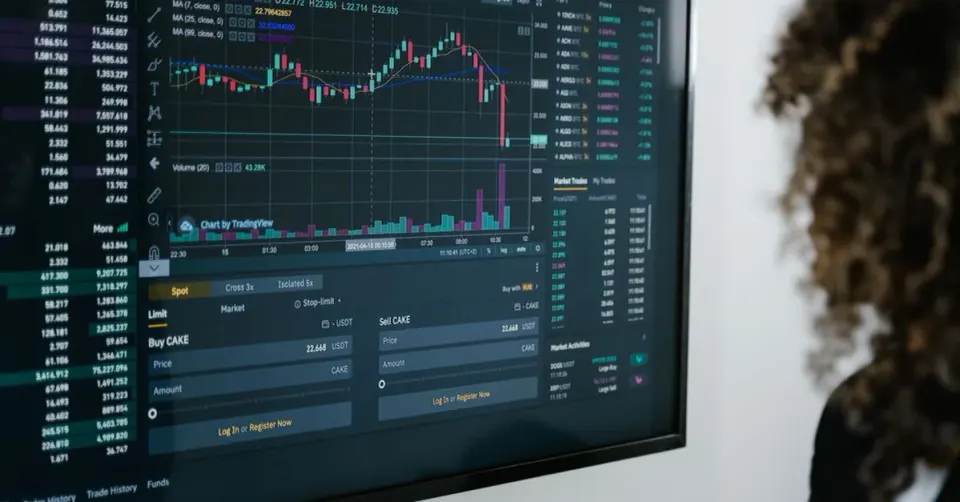
In the local market, the impact of global tension and domestic inflation is stark. Gold 18k per gram has risen from 19,292,211 to 19,760,838 (+2.4%), while the Emami coin has seen an even more aggressive jump, moving from 192,000,000 to 198,000,000 (+3.1%). These figures represent a massive transfer of wealth into defensive positions as the public loses confidence in the Rial’s stability. Even as Canada and the US claim to be finalizing a trade deal to settle recent tariff disputes, the 'murky' details of such agreements offer little comfort to a regional market currently braced for a geopolitical storm.
Crypto Volatility: Bitcoin Holds $68k Amid Protocol Exploits
Bitcoin has managed to hold its ground above the $68,000 level, recently liquidating $1.4 billion in short positions as U.S. Treasury buybacks boosted overall risk appetite. However, the broader crypto ecosystem remains vulnerable to technical failures and malicious actors. The Maya Protocol recently suffered a six-bug exploit that resulted in the theft of $1.4 million in Bitcoin and other assets, causing its native CACAO token to plunge. This serves as a reminder to Iranian crypto users that while Bitcoin may act as a hedge against Toman devaluation, the platforms used to trade or bridge these assets carry significant inherent risks.
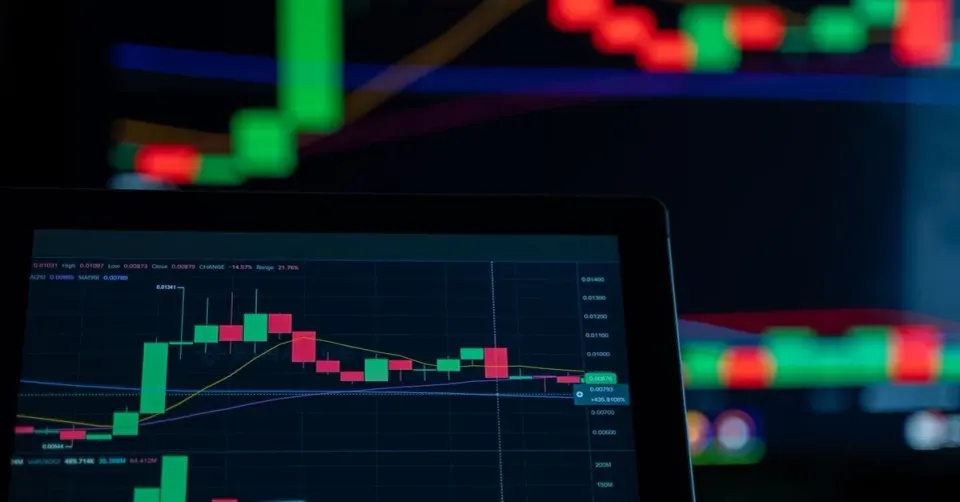
The divergence between institutional adoption—highlighted by FalconX and Ethena’s new $1 billion credit facility—and the reality of protocol exploits creates a complex landscape for retail investors. In Iran, where crypto is often the only exit ramp from a failing local economy, these security breaches are particularly devastating. As the USD/IRR rate continues its upward trajectory, the pressure to move into digital assets increases, yet the necessity for extreme caution in choosing decentralized protocols has never been higher.
Frequently Asked Questions
Why is NATO making statements about Iran now?
What caused the sudden 3.1% jump in the Emami coin price?
Is the $68,000 level for Bitcoin sustainable given the current market?
The Impact of Geopolitical Risk on Currency and Asset Markets
Geopolitical risk refers to the uncertainty and potential disruption arising from political events, international relations, and conflicts that can have far-reaching economic consequences. These risks include wars, political instability, trade disputes, sanctions, and even major policy shifts by influential nations. When such risks escalate, as suggested by “NATO on High Alert Over Iranian Strike Reports,” they create an environment of heightened unpredictability, causing investors and businesses to reassess their strategies and leading to significant shifts in financial markets.
One of the most immediate and visible impacts of rising geopolitical risk is on a nation's currency. As confidence in the local economy erodes, fueled by fears of conflict or severe sanctions, investors often move their capital out of the affected country and into more stable economies or currencies. This increased demand for foreign currencies, such as the U.S. dollar, coupled with a reduced demand for the local currency, leads to its rapid depreciation. The headline's mention of the “Toman Breaches 190k” against the dollar is a stark illustration of this phenomenon, where local currency loses significant value as geopolitical tensions peak.
Conversely, periods of high geopolitical risk often see a surge in demand for assets traditionally considered “safe havens.” Gold, for instance, has historically served as a reliable store of value during times of economic and political uncertainty. When traditional investments like stocks or bonds become volatile, investors flock to gold, driving up its price, as indicated by “Gold price Tehran, Emami coin surge.” While relatively newer, some cryptocurrencies like Bitcoin have also, at times, shown characteristics of a safe-haven asset, although their volatility can make them less predictable than gold. These shifts reflect a global investor sentiment seeking to preserve wealth amidst turmoil.
Understanding how geopolitical risks translate into market movements is crucial for anyone tracking global finance. These events can trigger a cascade of economic effects, from capital flight and currency crises to inflationary pressures and shifts in global trade patterns, ultimately influencing the daily lives of citizens through changes in purchasing power and economic stability.
Topics
Related Articles