UN Deadlock and 'Infiltration' Fears: Why the Toman is Edging Toward 191k Amid Global Volatility
بنبست در سازمان ملل و طرح جدید «نفوذ» در مجلس؛ چرا دلار به مرز ۱۹۱ هزار تومان نزدیک شد؟
Tehran’s envoy at the UN slams the Security Council for 'politicization' as domestic hardliners push for stricter controls on foreign contact. Meanwhile, global markets see a crypto rally and rising gold prices, pushing the Toman higher against the dollar.
At time of publishing
USD
190,300
Toman
Gold 18K
19.76M
Toman / gram
Bitcoin
$68,246
US Dollar
Tether
190,238.153
Toman
Tehran Slams UN 'Double Standards' Amid Regional Escalation
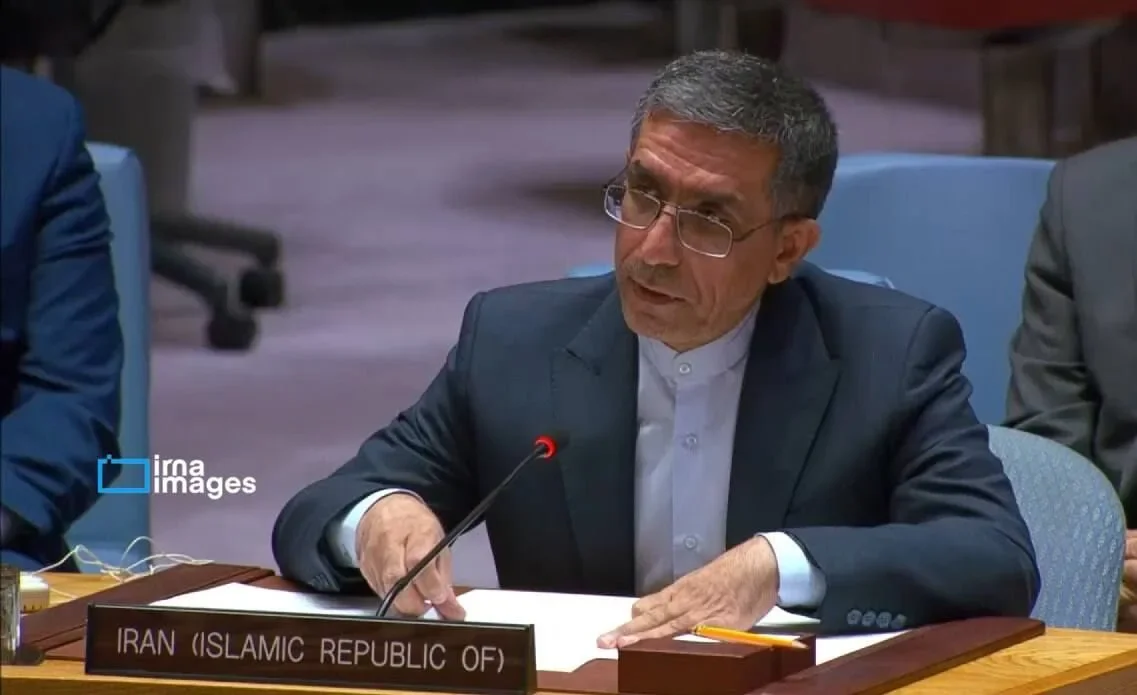
At the United Nations, Gholamhossein Darzi, Iran’s Deputy Permanent Representative, launched a scathing critique of the Security Council’s current trajectory. He argued that the council has become a tool for political maneuvering rather than a guardian of international peace, specifically citing what he described as military aggression by the United States and Israel against Iranian sovereignty. According to state-run media, Darzi claimed that the selective application of rules has fundamentally undermined the council’s legitimacy, leaving regional powers to navigate a landscape of escalating military friction without a neutral arbiter.
This diplomatic stalemate is more than just rhetoric; it signals a breakdown in the back-channel communications that often stabilize the Middle East. For the average Iranian reader, this translates into a heightened 'risk premium' on the currency. When the UN is seen as paralyzed, the likelihood of sudden military or economic escalations increases, leading many to move their assets into hard currencies or gold. This geopolitical tension is a primary driver behind the recent 1.0% jump in the USD/IRR rate, as the market prepares for a potentially more aggressive posture from both Washington and Tel Aviv.

The 'Foreign Infiltration' Bill: A New Wall for Iranian Citizens
While tensions flare abroad, the domestic front is witnessing a legislative shift that could further isolate the country. Iran’s hardline parliament is currently debating a 'foreign infiltration' plan that would require citizens and academic entities to seek explicit authorization before contacting foreign media or international universities. Proponents of the bill argue it is a necessary defense against espionage and soft war, but critics see it as a significant blow to the country’s remaining intellectual and professional ties to the global community.
If passed, this law would significantly complicate the lives of researchers, journalists, and students who rely on international collaboration. Beyond the social implications, such moves often precede periods of increased economic isolation. Investors view these restrictive measures as a sign of a tightening 'fortress economy,' which historically leads to decreased foreign investment and a brain drain of the very professionals needed to manage a modern economy. This internal policy shift adds another layer of uncertainty to a market already reeling from external sanctions pressure.
Markets: Bitcoin Hits $68k as Gold and Toman Surge in Tandem
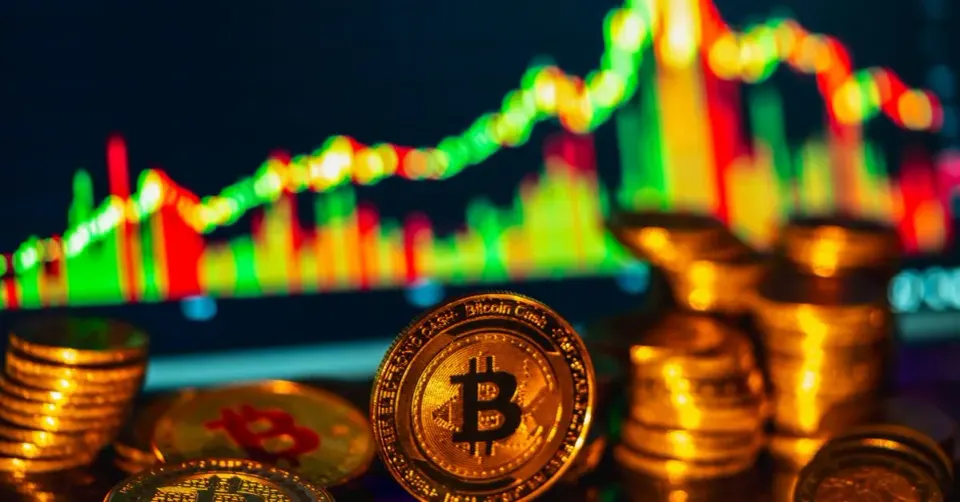
Global financial markets are currently experiencing a rare 'everything rally' in the safe-haven and alternative asset sectors. Bitcoin has surged toward the $68,246 mark, fueled by rumors of US Treasury buybacks and a new SEC proposal that could further institutionalize crypto-linked stocks. This global liquidity surge is occurring alongside a significant rise in gold prices, with the global ounce hitting $4,509.90. In Tehran, this has manifested as a sharp 3.1% increase in the price of Emami coins, which moved from 192,000,000 to 198,000,000 Toman in just 24 hours.
The local currency has not been spared from this volatility. The USD/IRR sell rate rose from 188,500 to 190,300 (+1.0%), reflecting a broader trend of Toman depreciation. Interestingly, the market is also watching the US social security debate, where individuals are struggling with decisions on whether to take early spousal benefits or wait. While seemingly distant, these stories highlight a global trend of economic anxiety where traditional safety nets are being questioned, driving more people toward assets like gold and Bitcoin, which are currently outperforming the dollar in the Tehran market.
Loyalty and Education: The Changing Face of Global Policy
In the West, the focus is shifting toward the inner circles of power and the future of the workforce. Natalie Harp, a long-serving aide to Donald Trump, has returned to the spotlight, highlighting the intense loyalty required within the former president's orbit as he prepares for potential future policy shifts. Such shifts are closely monitored by global analysts for signs of 'Maximum Pressure 2.0,' which would have a direct and immediate impact on the Iranian oil export market and the overall stability of the Toman.

Meanwhile, in the UK, a new study has warned that mandatory GCSE resits are harming the mental well-being of teenagers, sparking a debate about the efficiency of modern education systems. This mirrors a global trend where traditional educational pathways are being disrupted by both policy and technology. For Iranians, who have historically placed a high value on international education as a route to economic mobility, these shifts in Western educational policy—combined with the aforementioned 'infiltration' bill at home—represent a narrowing of opportunities for the next generation to compete on the world stage.
Frequently Asked Questions
Why is the Toman falling despite the global rally in crypto?
What are the specific details of the 'foreign infiltration' plan in Iran?
How do US Treasury buybacks affect the price of Bitcoin?
Currency Devaluation and Hyperinflation under Sanctions
What is currency devaluation?
Currency devaluation is a deliberate downward adjustment of a nation’s official exchange rate, making its currency cheaper relative to foreign currencies. While a government can announce a devaluation in a managed‑float system, many countries experience implicit devaluation when market forces—such as capital flight, dwindling foreign reserves, or international sanctions—push the exchange rate sharply lower. The Iranian rial (IRR) has been sliding for years, and the unofficial “Toman” (10 IRR) is now trading near 191 000 per US dollar, reflecting both policy‑driven devaluation and runaway inflation.
Why does devaluation often lead to hyperinflation?
When a currency loses value, imported goods become more expensive. In economies that rely heavily on imports—food, medicine, machinery—prices rise quickly, feeding a broader inflation spiral. If the government tries to cover the widening fiscal gap by printing more money, the money supply expands faster than real output, accelerating price growth. This feedback loop can push annual inflation rates into the triple‑digit range, a phenomenon known as hyperinflation. Iran’s inflation has surged past 40 % in recent years, and the combination of sanctions‑induced revenue loss and monetary financing has kept the pressure on the rial.
How do people protect their wealth?
In hyperinflationary environments, citizens often turn to assets that retain value across borders. Gold, priced in US dollars, becomes a popular hedge; Tehran’s gold price has risen sharply as investors seek a store of value. Cryptocurrencies like Bitcoin have also seen heightened interest, with the $68 k rally attracting Iranian traders looking for a digital safe haven. However, both gold and crypto carry their own risks—price volatility, regulatory crackdowns, and limited liquidity in a sanctioned economy.
Policy implications
Understanding devaluation and hyperinflation helps policymakers gauge the trade‑offs between stabilising the exchange rate and maintaining fiscal discipline. Building foreign‑exchange reserves, diversifying the economy away from import dependence, and securing relief from international sanctions are long‑term strategies to curb currency collapse. In the short term, transparent monetary policy and targeted subsidies can ease the pain for households while avoiding the worst spirals of hyperinflation.
Topics
Related Articles