Trump Threatens ‘Economic D-Day’ Over Iran as Lebanon Conflict Escalates and Crypto Markets See $2.7B Wipeout
تهدید «روز سرنوشت اقتصادی» ترامپ علیه شرکای ایران همزمان با بحران در لبنان و لیکوئیدی ۲.۷ میلیارد دلاری در بازار کریپتو
President Trump has issued a stark warning of 'tremendous economic consequences' for any nation assisting Iran, just as Israeli forces intensify strikes in southern Lebanon. Meanwhile, a massive short squeeze in the crypto market has liquidated billions, even as institutional inflows hit multi-month highs.
At time of publishing
USD
190,300
Toman
Gold 18K
19.93M
Toman / gram
Bitcoin
$69,562
US Dollar
Tether
190,179.73
Toman
Trump’s ‘Economic D-Day’ and the Lebanon Flare-up
At 10:00 AM in Tehran, the geopolitical landscape has shifted toward extreme uncertainty. Following the expiration of a 60-day ceasefire, President Donald Trump has escalated his rhetoric, threatening what he calls "economic D-Day" for any country—including major regional trade partners—that continues to facilitate business with Iran. This threat of "tremendous economic consequences" is designed to isolate the Iranian economy further, targeting the remaining channels of trade and finance that have kept the Toman relatively stable in recent weeks. While the USD/IRR remained flat over the last 24 hours at 190,300 (+0.0%), the psychological impact of these threats is already being felt in the gold markets, where domestic prices are beginning to hedge against potential volatility.
Simultaneously, Iranian state media (IRNA) reports that Israeli forces have resumed attacks on infrastructure in southern Lebanon, claiming a violation of previous ceasefire agreements. The renewed kinetic conflict in the north of Israel adds a layer of regional instability that historically drives capital toward safe-haven assets. For the Iranian reader, this dual pressure—direct economic threats from Washington and military escalation on the "Resistance Front"—suggests that the current stability of the Toman at the 190,000 level may be fragile. If these threats transition into executive actions or if the Lebanon conflict broadens into a full-scale regional war, the market's expectation of future inflation will likely spike.

Crypto Chaos: $2.7 Billion Liquidated in a Massive Short Squeeze
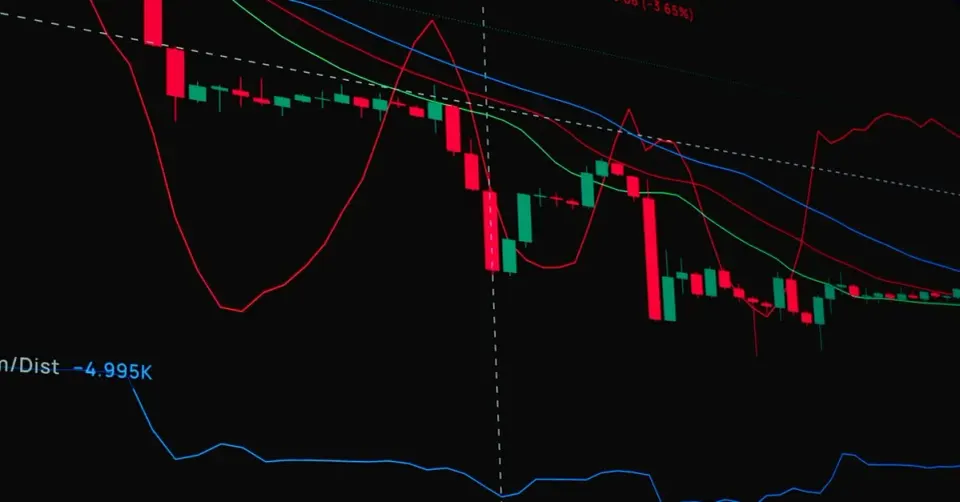
The cryptocurrency market has experienced a violent 24-hour period that serves as a cautionary tale for leveraged traders. Despite Bitcoin ETFs seeing a massive $517 million inflow and Ether funds drawing $189 million—the strongest daily hauls in months—the price action triggered a catastrophic short squeeze. A broad market rally torched approximately $2.7 billion in bearish bets across the board. The volatility was so extreme that one prominent trader, operating under the wallet name "pension-usdt.eth" on the Hyperliquid exchange, lost a staggering $24 million on an Ether short position in just 12 seconds. The trader was forced out of a 50,000 ETH position as five consecutive liquidation orders cascaded, pushing the price even higher during the unwind.
This event highlights a growing disconnect between institutional long-term accumulation and the high-risk leverage used by retail and professional speculators. Bitcoin is currently trading at $69,562, hovering near the psychological $70,000 barrier. For Iranian investors who often use USDT as a hedge against local currency depreciation, this volatility is a double-edged sword. While the USDT price in Toman remains stable at 190,180, the underlying asset's volatility can wipe out margins in seconds. The lesson here is clear: institutional money is providing a floor for prices, but the "whales" and high-frequency algorithms are ruthlessly purging over-leveraged positions before any sustained breakout.
Global Shifts: Australia’s H5 Escalation and the End of the Evergrande Era
Beyond the immediate headlines of war and finance, two significant stories are reshaping the global risk map. In Australia, Premier Peter Malinauskas has declared a "significant escalation" of the H5 bird flu after more than 1,000 birds were found dead in mass mortality events. While no detections have been found in poultry or livestock yet, the scale of the deaths among wild birds is a harbinger of potential supply chain disruptions. If the virus jumps to commercial livestock, we could see a repeat of the global food inflation spikes seen in previous years, which would eventually filter through to import prices in the Middle East.
Meanwhile, in China, the final chapter of a corporate tragedy has been written. The founder of the collapsed property giant Evergrande, Hui Ka Yan, has been sentenced to life in prison. This marks a definitive end to the era of debt-fueled real estate growth in China and signals the Communist Party's commitment to punishing corporate negligence that threatens social stability. For global markets, this sentencing is a reminder of the structural weaknesses in the world's second-largest economy. As China remains a primary buyer of Iranian energy, any further cooling of its domestic economy or property sector could have long-term implications for Iran's export revenues and overall economic health.
Domestic Market Check: Gold Outperforms the Dollar
While the currency market remained stagnant today, the precious metals sector showed signs of life. Gold 18k/gram rose from 19,760,838 to 19,933,976 (+0.9%), reflecting a growing domestic demand for physical gold as a hedge against the geopolitical rhetoric mentioned above. The Emami coin also saw a modest increase, moving from 198,000,000 to 199,000,000 (+0.5%). These movements, though small, indicate that local capital is seeking safety even while the central bank manages to keep the USD/IRR exchange rate fixed at 190,300 for the time being. Investors should watch the 200 million Toman mark for the Emami coin as a key psychological resistance level in the coming sessions.
Frequently Asked Questions
What does Trump's 'Economic D-Day' threat actually mean for Iran's trade partners?
Why did Bitcoin see $2.7 billion in liquidations despite high ETF inflows?
How is the Lebanon conflict affecting the Iranian Toman today?
Understanding Short Squeezes: Why Crypto Markets Can Collapse Overnight
A short squeeze occurs when an asset’s price rises sharply, forcing traders who bet on a decline (short sellers) to buy back the asset to cover their positions. The sudden buying pressure pushes the price even higher, creating a feedback loop that can explode the asset’s value in a matter of minutes. Short sellers typically borrow the asset from a broker, sell it on the market, and hope to repurchase it later at a lower price; when the market moves against them, their losses can become unbounded.
In traditional markets, short squeezes are often triggered by a combination of high short‑interest (the proportion of a security’s float that is sold short) and a catalyst that pushes the price up—such as better‑than‑expected earnings, a regulatory change, or a strategic buy‑back. As the price climbs, brokers may issue margin calls, compelling short sellers to close out their positions by buying the asset, which adds further upward pressure. This cascade can turn a modest price increase into a dramatic rally.
Cryptocurrency markets amplify these dynamics. Because many crypto exchanges offer very high leverage—sometimes 100x or more—short positions can be liquidated almost instantly when prices move a few percent. In August 2026, a rapid rise in Bitcoin’s price sparked a $2.7 billion wave of forced liquidations, as leveraged shorts were squeezed out of the market. The event illustrated how thin liquidity, automated liquidation engines, and the 24/7 nature of crypto trading can turn a normal price swing into a market‑wide shock.
Investors can mitigate short‑squeeze risk by monitoring short‑interest ratios, open‑interest data, and the concentration of leveraged positions on major exchanges. Diversifying exposure, using stop‑loss orders, and staying aware of potential catalysts—such as geopolitical developments or regulatory announcements—help reduce the chance of being caught in a sudden, costly squeeze.
Topics
Related Articles