Oil Surge Challenges 'Economic D-Day' as Bitcoin Hits $71k Amid Global Volatility
جهش صادرات نفت پیش از پایان تفاهمنامه؛ بیتکوین در میانه تنشهای جهانی به ۷۱ هزار دلار رسید
Kpler reports a massive spike in Gulf oil flows as Iran's Foreign Minister dismisses US 'Economic D-Day' threats. Meanwhile, Bitcoin rallies past $71,000 following record ETF inflows and escalating geopolitical tensions in Ukraine.
At time of publishing
USD
190,300
Toman
Gold 18K
19.83M
Toman / gram
Bitcoin
$71,323
US Dollar
Tether
189,405
Toman
The Great Oil Front-Running: Flows Triple Before Deadline
New data from Kpler reveals a staggering surge in energy exports from the Persian Gulf, with approximately 374 million barrels of oil exiting the region during the 60-day window covered by the recent US-Iran Memorandum of Understanding (MoU). This volume represents a near-tripling of flows compared to previous periods, suggesting that market participants and state actors were aggressively moving inventory before the diplomatic window expired. The timing of this surge is critical; it indicates a strategic effort to capitalize on a period of relative de-escalation to bolster foreign currency reserves and fill global storage tanks before potential new enforcement measures take hold.
For the Iranian economy, this influx of volume provides a vital cushion. Despite the looming threat of an "Economic D-Day" promised by US officials, the domestic currency market has remained remarkably resilient. The USD sell rate held steady at 190,300 Toman (+0.0%), defying expectations of a speculative crash. This stability suggests that the Central Bank may be utilizing the proceeds from this massive oil export window to intervene and prevent a runaway devaluation. However, the market remains on high alert as the MoU expires, and the transition from high-volume exports back to a more restricted environment could test the Toman's current support levels in the coming weeks.

Diplomacy and Defiance: Araghchi Rebuts US Threats
Iranian Foreign Minister Abbas Araghchi has issued a sharp response to recent rhetoric from Washington, specifically targeting President Donald Trump’s claims of an impending "Economic D-Day." Araghchi characterized these threats as a diversionary tactic aimed at masking the United States' own internal financial struggles, including a national debt that has now officially surpassed the $40 trillion mark. By framing the US policy as a proven failure, the Foreign Ministry is attempting to signal to both domestic audiences and international trade partners that Tehran is prepared for a return to maximum pressure and has already developed the necessary bypass mechanisms.
Parallel to this rhetorical defiance, Iran is intensifying its regional diplomatic outreach. Parliament Speaker Mohammad Bagher Ghalibaf’s current visit to Baghdad, where he met with Iraq’s Supreme Judicial Council chief Faiq Zaidan, underscores a shift toward institutionalizing ties with neighboring states. These meetings are not merely ceremonial; they focus on legal and economic frameworks that could facilitate trade outside the reach of primary US sanctions. For the average Iranian, these high-level maneuvers are a double-edged sword: while they represent an attempt to bypass isolation, they also signal a hardening of the geopolitical environment that typically precedes increased market volatility.

Global Escalation: Kyiv Attacks and the Crypto Flight to Quality
Geopolitical risks reached a boiling point overnight as Russia launched what Ukrainian President Zelenskyy described as a "massive attack" on Kyiv and surrounding regions. Utilizing a combination of 168 drones and dozens of ballistic and hypersonic missiles, the strike represents one of the largest aerial assaults in recent months. While Ukrainian air defenses reportedly neutralized 145 drones, the failure to intercept ballistic trajectories highlights the evolving nature of the conflict. This escalation has immediate ramifications for global risk appetite, pushing investors toward non-sovereign assets as a hedge against widening regional instability.
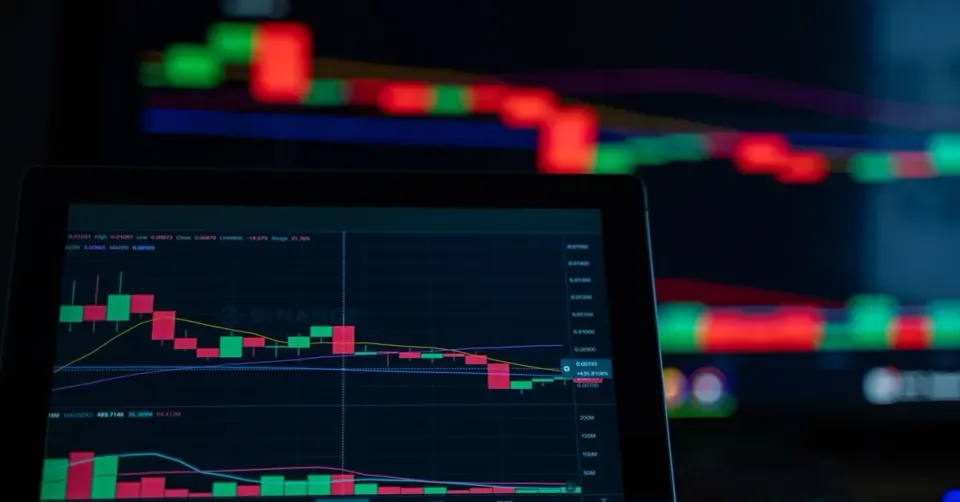
This flight to safety is clearly visible in the cryptocurrency markets. Bitcoin has surged 10%, reclaiming the $71,000 level (currently trading at $71,323) after recording $517 million in net ETF inflows—the largest in over three months. This rally is driven by a unique convergence of factors: the expansion of the US Treasury’s buyback program and a growing distrust of traditional fiat currencies as the US debt doubles in a decade. Locally, the Emami coin has risen from 198,000,000 to 199,500,000 Toman (+0.8%), and 18k gold increased to 19,832,402 Toman (+0.4%), reflecting a synchronized global and domestic move into hard assets. As traditional markets grapple with the fallout of the Ukraine escalation and GCSE results remind the UK of its own domestic shifts, the digital and gold markets are increasingly seen as the ultimate barometers of global anxiety.
Frequently Asked Questions
Why did oil flows from the Gulf triple recently?
What is the 'Economic D-Day' mentioned by US officials?
Why is Bitcoin rallying despite geopolitical instability?
Understanding Currency Depreciation: The Silent Economic Threat
Currency depreciation refers to the decline in the value of a country's currency relative to other currencies. This means that one unit of the domestic currency can buy fewer units of foreign currency than before. It's often measured by the exchange rate, where a higher number of local currency units are needed to purchase one unit of a foreign currency, like the U.S. dollar. For instance, if the Toman exchange rate against the dollar significantly increases, it indicates the Toman has depreciated. This phenomenon is a critical indicator of economic health and can have profound effects on a nation's stability.
The causes of currency depreciation are manifold. High domestic inflation can erode purchasing power, making a currency less attractive internationally. Large and persistent trade deficits, where a country imports more than it exports, can also weaken a currency by increasing the supply of the local currency in international markets. Geopolitical instability, such as the Kyiv missile attack mentioned in the headline, or economic sanctions, like those impacting Iran's oil exports, can trigger capital flight and erode investor confidence, leading to a rapid decline in currency value. Furthermore, excessive government spending leading to a soaring national debt, as seen with the US national debt, can also put downward pressure on a currency over the long term, though the immediate effects differ.
The consequences of significant currency depreciation can be severe, potentially leading to what some might term an "Economic D-Day." On the negative side, imports become more expensive, fueling domestic inflation and reducing the purchasing power of citizens. This can make essential goods, often imported, unaffordable. It also makes it harder for a country to service foreign-denominated debt. In response, citizens often seek safe havens for their wealth, turning to assets like gold (e.g., Emami coin) or cryptocurrencies (e.g., Bitcoin's rally to $71k), which are perceived as stores of value independent of the depreciating local currency. While depreciation can make exports cheaper and more competitive, boosting foreign demand, the overall economic disruption and loss of confidence often outweigh these potential benefits, especially in contexts of rapid and uncontrolled decline.
Topics
Related Articles