Kyiv Under Siege as Trump Escalates 'Economic War' on Iran; Oil Prices Soar
کییف زیر آتش؛ ترامپ جنگ اقتصادی علیه ایران را تشدید کرد؛ قیمت نفت اوج گرفت
Intense Russian bombardment has devastated Kyiv, claiming over a dozen lives amidst escalating global tensions. Simultaneously, President Trump has declared an 'economic war' on Iran, vowing severe consequences for any nation aiding Tehran, which has sent oil prices surging. Amidst this geopolitical turmoil, Bitcoin ETFs are seeing significant investor inflows.
At time of publishing
USD
190,700
Toman
Gold 18K
19.88M
Toman / gram
Bitcoin
$72,046
US Dollar
Tether
189,381
Toman
Kyiv Reels from Intense Russian Bombardment
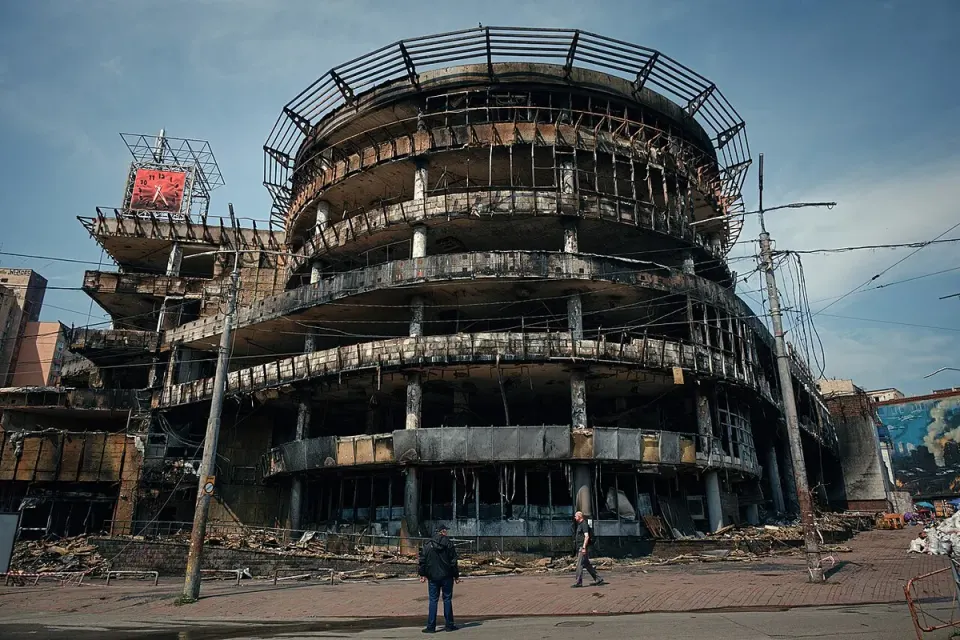
Kyiv experienced one of the most brutal aerial assaults since the war's inception, with Russian missiles and drones striking the capital and its surrounding areas overnight and into Thursday. Official reports indicate that at least 15 individuals lost their lives, and numerous buildings, including residential areas, a school, and a children's medical center, sustained damage. Mayor Vitali Klitschko confirmed the widespread destruction, highlighting the indiscriminate nature of the attack that began around midnight.
This escalation in hostilities underscores the ongoing devastation in Ukraine and raises concerns about civilian safety. The intensity and scale of the bombardment suggest a deliberate effort to inflict maximum damage on civilian infrastructure, potentially aiming to break Ukrainian morale or disrupt critical services. For global markets and geopolitical stability, such events signal a deepening conflict, which can lead to further supply chain disruptions, refugee crises, and increased defense spending worldwide. The impact on energy markets, already volatile, is also a significant concern, as prolonged conflict can affect shipping routes and resource availability.
---
Trump Declares 'Economic War' on Iran, Oil Prices Spike
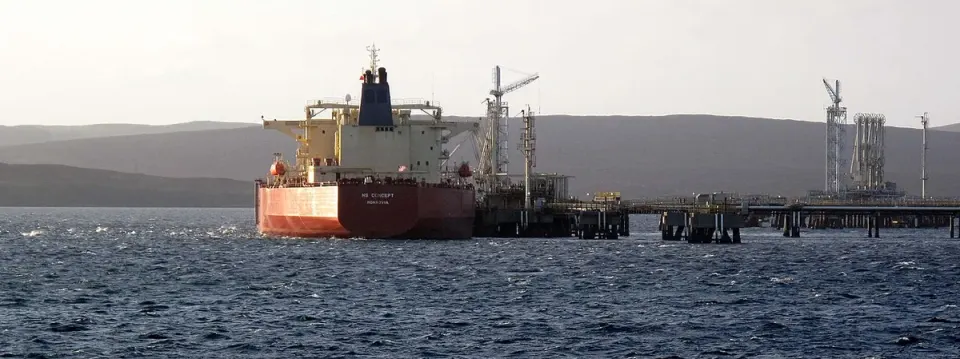
President Donald Trump has dramatically escalated economic pressure on Iran, declaring on social media that any nation providing support to Tehran will face "tremendous economic consequences." This aggressive stance, termed an "unprecedented" economic operation and "Economic Warfare and Isolation," signals a significant tightening of sanctions and a broader geopolitical confrontation. The announcement immediately sent shockwaves through global energy markets, with Brent crude futures topping $93 per barrel and WTI crude surpassing $85.
This move by the Trump administration appears aimed at crippling Iran's economy and further isolating it on the global stage, potentially in response to ongoing hostilities or perceived defiance. The threat of secondary sanctions on countries aiding Iran could disrupt international trade and force nations to choose between their economic ties with Iran and potential repercussions from the U.S. The direct consequence is a surge in oil prices, which has a ripple effect across the global economy, increasing costs for consumers and businesses alike. For Iran, this means increased hardship and potentially diminished capacity to fund its activities, while for allies of Iran, it presents a difficult diplomatic and economic balancing act. The market reaction indicates that investors are pricing in a higher risk of supply disruption and a more protracted economic standoff. [News indices: 8, 12, 5, 13]
---
Bitcoin ETFs See Major Inflows Amid Market Uncertainty
Despite the escalating geopolitical tensions and the looming threat of economic warfare, investors are showing strong confidence in Bitcoin, pouring over $1 billion into U.S. spot Bitcoin ETFs this week. This surge in investment saw Bitcoin prices nearing $72,000, and Ether climbing to approximately $2,286. The market experienced a significant breakout as Bitcoin moved out of a six-week trading range, triggering the largest short liquidation event since at least 2021, with approximately $3 billion in bearish bets being forced to close.
This robust inflow into Bitcoin ETFs suggests a growing acceptance of digital assets as a viable investment class, even amidst global instability. Investors may be viewing Bitcoin as a potential hedge against inflation or a safe haven asset in times of geopolitical uncertainty, a narrative that has often played out in previous market cycles. The forced liquidation of short positions further fueled the upward momentum, creating a short squeeze that propelled prices higher. While the immediate impact is a significant gain for Bitcoin holders, the underlying driver appears to be a combination of institutional adoption via ETFs and speculative trading, highlighting the market's resilience and its capacity for rapid price movements in response to both macroeconomic factors and technical trading dynamics. [News indices: 2, 3]
---
Iran's Culture Minister Attends BRICS Tourism Summit
In a separate development, Iran's Minister of Cultural Heritage, Tourism, and Handicrafts, Seyyed Reza Salehi Amiri, arrived in Jaipur, India, to participate in the BRICS Tourism Summit 2026. This diplomatic engagement highlights Iran's ongoing efforts to foster international relations and explore economic opportunities, particularly within emerging economic blocs like BRICS.
The summit provides a platform for member nations to discuss strategies for boosting tourism and cultural exchange. For Iran, such participation is crucial for diversifying its international partnerships and potentially mitigating the impact of sanctions by strengthening trade and cultural ties with non-Western nations. While the geopolitical climate remains tense, these diplomatic efforts underscore Iran's strategy of seeking broader alliances and economic cooperation, independent of traditional Western partnerships. The success of such initiatives in attracting foreign investment and tourists will be a key factor in Iran's economic resilience. [News index: 19]
Frequently Asked Questions
What is the current geopolitical situation driving oil prices?
How are the new US sanctions on Iran affecting the Iranian economy and currency?
What is the significance of the surge in Bitcoin ETF inflows?
What is Iran's role in the BRICS tourism summit?
Understanding Economic Sanctions as a Tool of Geopolitical Influence
Economic sanctions are a powerful foreign policy tool, often employed by countries or international bodies as an alternative to military intervention. They involve the imposition of restrictions on trade, finance, and other economic activities against a target nation or specific individuals within it. The primary goal of sanctions is to compel a change in behavior – whether it's to deter nuclear proliferation, combat terrorism, promote human rights, or, as seen in the case of Iran, to limit its regional influence or nuclear program. When these measures are extensive and sustained, they can escalate into what is often termed "economic warfare," aiming to cripple an adversary's economy.
These sanctions manifest in various forms, including trade embargos that prohibit the import or export of certain goods (like oil or advanced technology), asset freezes that block a country's or its officials' access to foreign funds, and financial restrictions that limit access to international banking systems. In the context of Iran, for instance, sanctions have heavily targeted its vital oil exports, aiming to cut off a primary source of government revenue. Such actions are designed to exert severe economic pressure, making it difficult for the target country to finance its operations or maintain its standard of living.
The impact of economic sanctions, particularly on major commodity producers like Iran, reverberates globally. When a significant supplier of oil faces restrictions, the global supply of crude oil (such as Brent crude) can decrease, leading to an increase in oil prices worldwide. This surge in energy costs can then fuel inflation in other countries, affecting consumers and businesses alike, and potentially slowing global economic growth. Beyond the direct economic hit to the sanctioned nation, these measures contribute to broader geopolitical tensions, as they can provoke retaliatory actions or deepen existing rivalries, further destabilizing international relations.
Topics
Related Articles