Iran Sidestepped in Regional Security Pact as Toman Hits 203k; Bond Yields Ignite Global Strategy Wars
ایران پشت درهای بسته پیمان امنیتی جدید؛ دلار از مرز ۲۰۳ هزار تومان گذشت و بازار جهانی اوراق ملتهب شد
Iran confirms it has no formal role in the new Saudi-Pakistan-Turkey security alliance, raising questions about its regional standing. Meanwhile, the Toman's 2.1% slide and a global bond market standoff highlight a volatile start to the week.
At time of publishing
USD
203,400
Toman
Gold 18K
22.28M
Toman / gram
Bitcoin
$78,466
US Dollar
Tether
201,872
Toman
Iran Left Out of Proposed Regional Security Alliance
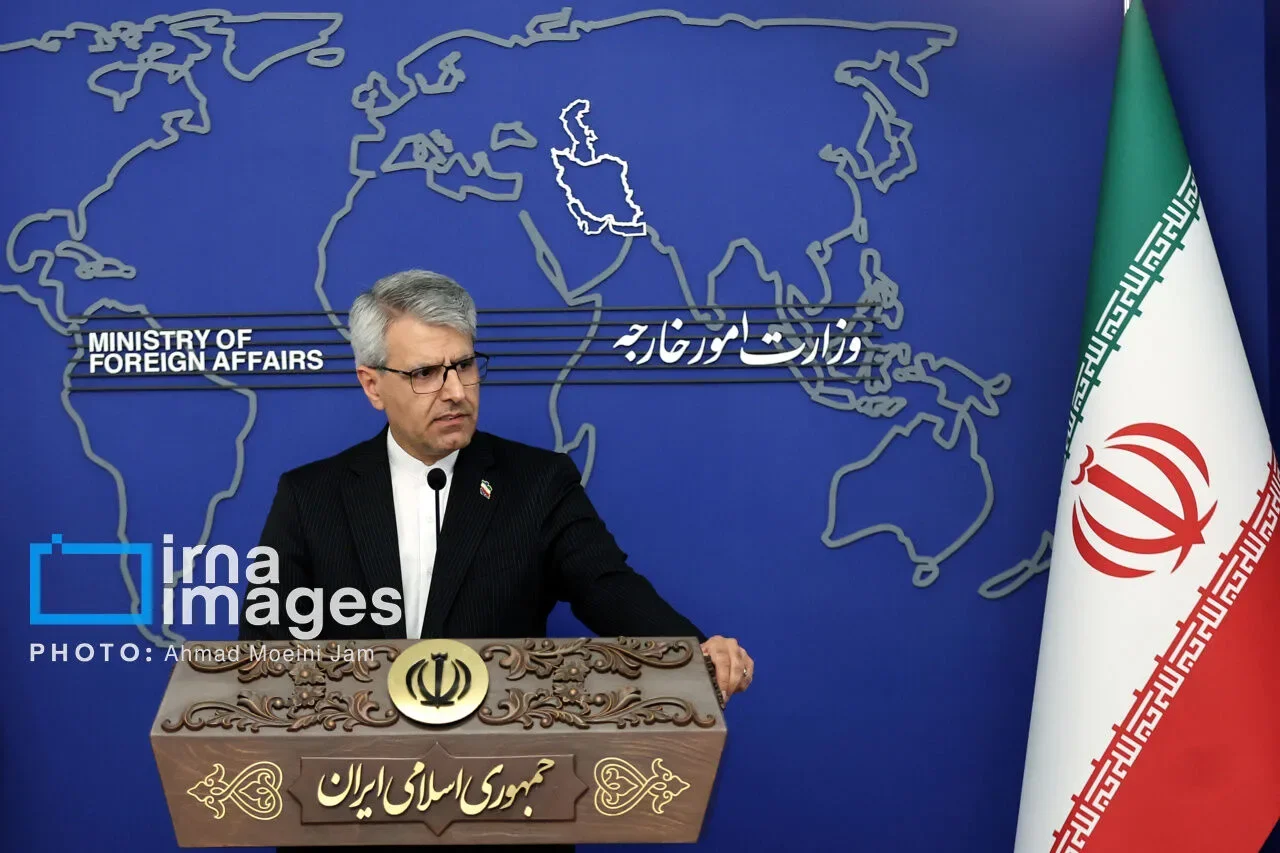
In a significant diplomatic clarification, Iranian Foreign Ministry spokesperson Esmaeil Baqaei stated on Monday that Tehran has received no formal invitation to join a burgeoning regional security pact involving Pakistan, Saudi Arabia, and Turkey. While Baqaei noted that the general concept of regional stability has been a recurring theme in bilateral discussions, the absence of a seat at the official table for this specific trilateral initiative suggests a potential shift in Middle Eastern power dynamics. This exclusion comes at a time when regional heavyweights are increasingly seeking to coordinate defense and security independently of traditional frameworks, potentially leaving Iran to navigate its security concerns through separate, less formal channels.
For the Iranian public and market observers, this diplomatic distance is more than just a matter of protocol; it reflects a perceived isolation that often translates into market anxiety. The Toman has already reacted to the broader geopolitical climate, with the USD selling at 203,400 Toman, marking a 2.1% increase from its previous level of 199,200. When Iran is sidestepped in major regional initiatives, it signals to investors that the path toward sanctions relief or regional integration remains fraught with obstacles, driving demand for hard currency as a safety net.

Global Bond Markets: A High-Stakes Strategy War
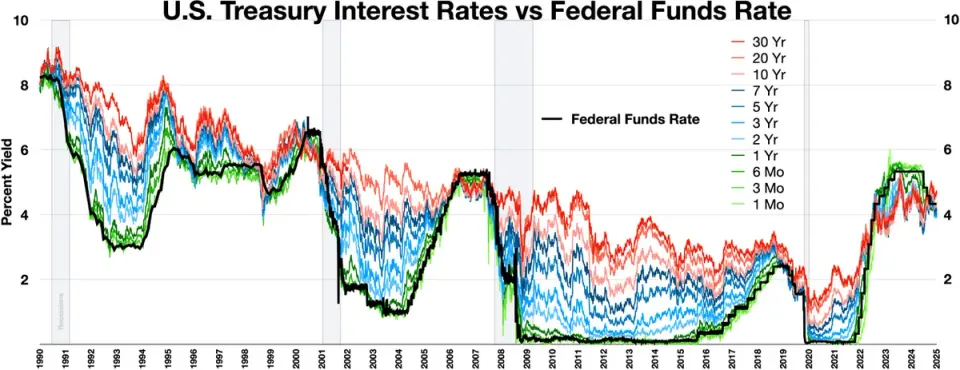
The global financial landscape is currently gripped by a fierce debate over the future of the bond market, as yields reach levels not seen in years. Strategists at Barclays and other major institutions are currently at odds over whether bonds have finally become "cheap" enough to buy. While current yields offer attractive returns on paper, some analysts argue that the fair value has been reached but the bottom is not yet in sight. This uncertainty is exacerbated by the upcoming Jackson Hole symposium, where the new Federal Reserve Chair, Kevin Warsh, is expected to signal the future direction of US monetary policy amidst persistent inflation concerns.
This global tug-of-war has a direct ripple effect on Iranian asset classes, particularly gold. As international investors weigh the risks of sovereign debt, the flight to quality often supports gold prices globally. Locally, the impact is even more pronounced; Gold 18k in Tehran has surged by 2.7% in the last 24 hours, moving from 21,688,443 to 22,277,113 Toman per gram. For Iranians, the bond market's volatility in the West is a signal of a strengthening US Dollar, which historically puts downward pressure on the Toman and upward pressure on domestic gold and coin prices.
The Social and Economic Cost of Urban Crackdowns
On the domestic front, a renewed crackdown on coffee shops has sent ripples through the urban economy and social life. Authorities have reportedly closed dozens of cafes in recent weeks, citing violations of public veiling laws. These establishments, which serve as vital social hubs for Iran's youth and a growing sector for small business investment, are now facing an existential threat. Experts suggest that these closures are part of a broader strategy to exert control over public spaces, but the economic fallout is equally significant for a service industry already struggling with high inflation and operating costs.
From an economic perspective, the targeting of the hospitality and cafe sector removes one of the few remaining outlets for private entrepreneurship among the younger generation. As these businesses close, the loss of jobs and the chilling effect on future investments further dampen consumer confidence. When luxury and social spaces are restricted, it often signals to the middle class that the domestic environment is becoming less hospitable for both capital and lifestyle, frequently leading to increased capital flight and a further drain on the Toman’s value.
E-Commerce Giants Defy Profit Slumps
In the tech and retail sector, PDD Holdings, the owner of the global e-commerce phenomenon Temu, reported a surprising rise in share prices despite a 12% decline in net profits for the quarter ending June 30. The company managed to beat Wall Street estimates on revenue, proving that the global appetite for low-cost consumer goods remains insatiable even as profit margins are squeezed by aggressive expansion and logistics costs. This trend highlights a broader shift in global trade where volume and market share are being prioritized over immediate profitability.
For the global consumer, including those navigating the complex import markets in the Middle East, the resilience of platforms like Temu signifies that the era of hyper-cheap, China-originated goods is far from over. However, the tumbling profits suggest that the "price war" model is reaching a tipping point. As these platforms face potential new tariffs and regulatory hurdles in the West, the flow of affordable goods could see significant price adjustments, eventually impacting the cost of living and retail dynamics even in markets like Iran that rely heavily on secondary trade routes for consumer electronics and lifestyle products.
Frequently Asked Questions
Why was Iran not invited to the regional security pact involving Saudi Arabia, Pakistan, and Turkey?
What is driving the current spike in the USD/Toman exchange rate to 203,400?
How does the global bond market debate affect individual investors in Iran?
What are the economic implications of the recent coffee shop closures in Tehran?
Understanding Currency Depreciation and Its Far-Reaching Effects
When a headline reports a currency like the Toman "hits 203k" against the USD, it's signaling a significant event: currency depreciation. This economic phenomenon occurs when a country's currency loses value relative to one or more foreign currencies. In simpler terms, it means you need more units of the local currency to buy the same amount of a foreign currency, such as the US dollar. This loss of purchasing power can be triggered by a confluence of factors, ranging from high inflation rates and persistent trade deficits to political instability and a lack of investor confidence. Geopolitical developments, like a nation being "sidestepped in a regional security pact," can also contribute by signaling increased risk or isolation.
The immediate impact of currency depreciation is often felt through rising prices, a phenomenon known as imported inflation. As the local currency weakens, imported goods and raw materials become more expensive, directly increasing the cost of living for consumers and the operational costs for businesses. This can lead to a broader inflationary spiral, where domestic prices rise in response to higher import costs, further eroding the purchasing power of wages and savings. For individuals holding savings in the local currency, their wealth effectively diminishes, often prompting a flight to safer assets like gold, which is why "Gold price Tehran today" becomes a key indicator in such times.
Furthermore, currency depreciation can have profound effects on a country's financial markets and international standing. While a weaker currency might initially make exports cheaper and more competitive, its benefits are often outweighed by the challenges. Investors, perceiving higher risk due to economic instability and inflation, may demand higher returns on domestic bonds, pushing up "bond yields." This makes it more expensive for the government and businesses to borrow, potentially stifling investment and economic growth. Central banks, like those discussed at a "Jackson Hole symposium," often grapple with how to manage these dynamics through monetary policy, aiming to stabilize the currency without choking economic activity.
Ultimately, understanding currency depreciation is crucial because it touches every aspect of an economy, from the price of your daily coffee to a nation's ability to engage in global trade and secure its financial future. It's a complex interplay of domestic economic health, government policy, and international relations that shapes the economic realities for millions.
Topics
Related Articles