Toman Hits 203k Record as Tehran Warns of 'Harsh Response' to Sanctions; Nvidia Hikes AI Prices
رکوردشکنی دلار در مرز ۲۰۳ هزار تومان؛ هشدار تند تهران به تحریمهای جدید و گرانی هوش مصنوعی توسط انویدیا
The Iranian Toman has surged past 203,000 per USD as geopolitical tensions escalate over new sanctions. Meanwhile, Nvidia's 15% price hike for AI servers and Kevin Warsh's upcoming Fed debut are reshaping global market expectations.
At time of publishing
USD
203,400
Toman
Gold 18K
22.30M
Toman / gram
Bitcoin
$78,962
US Dollar
Tether
201,200
Toman
Tehran Braces for New Sanctions as Toman Hits Record Low
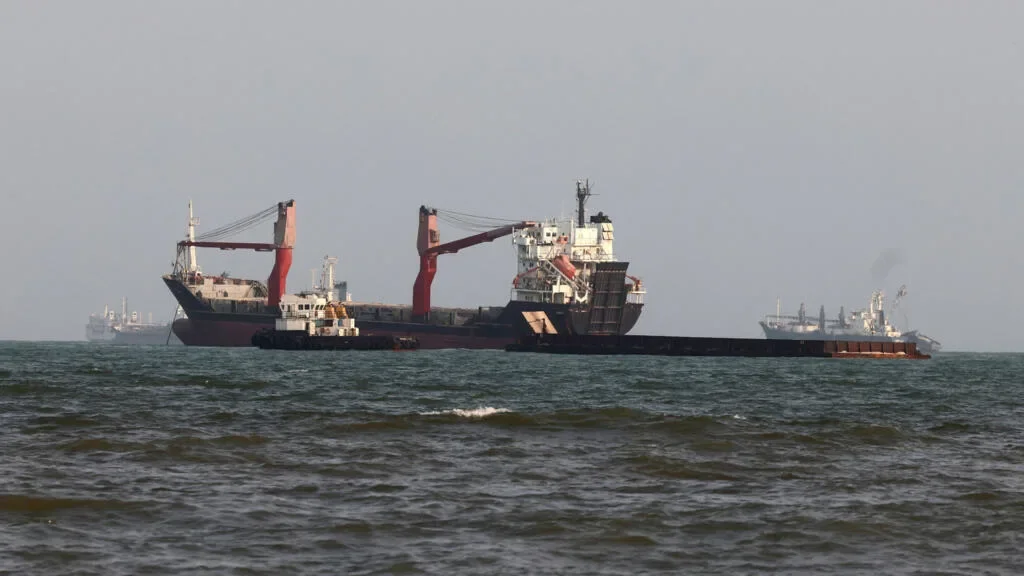
The Iranian Foreign Ministry issued a stern warning this Monday afternoon, stating that Tehran would provide a "harsh response" to any expansion of US sanctions. This escalation comes as Washington prepares a fresh round of economic measures aimed at curbing Iran's influence over maritime routes, specifically the Strait of Hormuz. Despite months of pressure, the US has struggled to dislodge Iran’s strategic grip on this critical waterway, through which a significant portion of the world's oil supply flows. The ministry's spokesperson emphasized that any cooperation with Washington's new measures would also be met with a decisive reaction, signaling a deepening impasse in regional diplomacy.
The impact on the domestic market has been immediate and severe. In the last 24 hours, the USD sold in the Tehran open market rose from 199,200 to 203,400 Toman, a 2.1% increase that reflects deep-seated anxiety among traders. This currency depreciation was further fueled by social media rhetoric from former President Donald Trump, who claimed the Iranian economy is "completely collapsing." While such statements are often viewed as political posturing, they contribute to a climate of uncertainty that drives capital away from the Toman and into hard assets like gold and stablecoins.

Kevin Warsh Faces First Major Test at Jackson Hole
On the global stage, all eyes are turning toward the upcoming Jackson Hole symposium, where the new Federal Reserve Chair, Kevin Warsh, is set to deliver a high-stakes speech. The global bond market is currently gripped by anxiety over US inflation and the potential for aggressive tax and spending plans under the current administration. Traders are looking for any signal that the Fed remains committed to its inflation-fighting mandate, though Warsh has hinted he may focus his remarks on broader structural issues like demographics and productivity rather than immediate interest rate guidance. This approach has left markets guessing about the trajectory of the September and December rate decisions.
This shift in focus could create further volatility in the currency markets. If Warsh fails to provide the hawkish reassurance that bond traders crave, the US Dollar could see renewed strength against emerging market currencies, further complicating the situation for countries like Iran that are already struggling with internal economic pressures. The "Warsh Test" is not just about US domestic policy; it is a signal for the global cost of borrowing for the remainder of 2026. Domestic gold prices in Iran have already reacted to this global uncertainty, with Gold 18k/gram rising from 21,688,443 to 22,295,581 Toman (+2.8%) in a single day.
Nvidia Hikes AI Server Prices Amid Rising Component Costs
In the technology sector, Nvidia has announced it is raising the prices of its AI servers by more than 15%. This significant hike is reportedly driven by the skyrocketing costs of high-bandwidth memory (HBM) and other essential components required for high-end AI computation. As the dominant player in the AI chip market, Nvidia's pricing decisions have a ripple effect across the entire tech ecosystem, potentially slowing down the pace of AI deployment for smaller firms that are already struggling with high entry costs. Analysts suggest this move is a defensive play to maintain margins as the supply chain for advanced semiconductors remains strained.
This move highlights a growing bottleneck in the AI revolution: hardware availability and cost. While demand for AI capabilities remains at an all-time high, the physical constraints of manufacturing—specifically memory production—are starting to dictate the market's trajectory. For investors, this suggests that while Nvidia's margins may remain robust, the broader "AI boom" may face a period of consolidation as companies re-evaluate their capital expenditure in the face of more expensive infrastructure. This pricing pressure could also benefit competitors who might offer more cost-effective, albeit less powerful, alternatives in the short term.

Solana Proposes Aggressive Token Burn to Combat Inflation
The cryptocurrency market is reacting to a new governance proposal within the Solana ecosystem that could see daily SOL burns increase to as much as $800,000. The proposal aims to slow down the creation of new tokens and accelerate the decline of Solana's inflation rate. If passed, the daily fee burns would jump from approximately 650 SOL to nearly 9,000 SOL, a move that would significantly tighten the supply of one of the market's most popular altcoins. This technical shift represents a broader trend in the crypto space where networks are prioritizing "sound money" principles to attract long-term institutional investors.
By reducing supply growth, Solana aims to increase the scarcity and, theoretically, the value of its native token. For the average holder, this move signals a maturing ecosystem that is moving away from the high-inflation models of its early years toward a more sustainable economic framework. While Bitcoin remains the primary focus for institutional giants like MicroStrategy—which recently established a $1.6 billion cash pool for potential buys—the innovation in altcoin tokenomics like Solana's shows that the competition for capital in the digital asset space is becoming increasingly sophisticated.
Watch
US sanctions 'unlikely to get Tehran to bow down' despite effect on population • FRANCE 24 English
FRANCE 24 English
Frequently Asked Questions
Why did the USD/IRR exchange rate break the 203,000 Toman level today?
What impact will Nvidia's 15% price hike have on the AI market?
How does the Solana token burn proposal affect investors?
Understanding Economic Sanctions and Their Impact
Economic sanctions are punitive measures imposed by one or more countries, or international bodies, against a target country, entity, or individual. These measures are typically employed to achieve specific foreign policy or national security objectives, such as compelling a change in behavior, deterring aggression, preventing human rights abuses, or countering terrorism. Sanctions can range from comprehensive trade embargoes to more targeted restrictions, like asset freezes on specific individuals or entities, travel bans, or limitations on access to international financial systems.
The mechanisms of economic sanctions are diverse. They can include prohibiting the export or import of certain goods, restricting access to crucial technologies, freezing financial assets held abroad, and imposing bans on financial transactions with the sanctioned entity. The goal is often to exert economic pressure that makes it difficult for the target to operate normally on the global stage, thereby forcing compliance with the demands of the sanctioning powers. For instance, restrictions on oil exports can significantly cut a country's revenue, while banking sanctions can isolate its financial system from the world.
The impact of sanctions on a target country can be profound and multifaceted. One of the most immediate and visible effects is often currency depreciation, as seen with the Iranian Toman. With reduced foreign exchange earnings from exports and limited access to international banking, the demand for local currency weakens, leading to its devaluation against major currencies like the USD. This, in turn, fuels inflation, as imported goods become more expensive, and can lead to a decline in living standards for ordinary citizens. Sanctions can also stifle foreign investment, disrupt supply chains, and foster the growth of informal or black markets as the country seeks alternative ways to conduct trade and finance.
While sanctions aim to achieve specific political outcomes, their effectiveness is a subject of ongoing debate. They can sometimes lead to unintended consequences, such as humanitarian crises, increased political instability, or a strengthening of resolve within the sanctioned nation rather than compliance. The global interconnectedness of economies also means that sanctions can have ripple effects, impacting not only the target but also neighboring countries and global markets, making their implementation a complex foreign policy tool.
Topics
Related Articles