‘Make America Hungry Again’: Ghalibaf Mocks Trump as Toman Hits 203k Amid ‘Economic D-Day’ Threats
تمسخر ترامپ توسط قالیباف همزمان با عبور دلار از ۲۰۳ هزار تومان و تهدید «دی-دی اقتصادی»
Iranian Parliament Speaker Ghalibaf has dismissed Donald Trump’s looming sanctions as the Toman hits a record 203,200, while Tehran blacklists 45 tankers in a high-stakes Strait of Hormuz standoff.
At time of publishing
USD
203,200
Toman
Gold 18K
22.27M
Toman / gram
Bitcoin
$79,602
US Dollar
Tether
203,135.382
Toman
Rhetoric Meets Reality: Ghalibaf’s Mockery vs. Toman’s Slide
In a sharp escalation of verbal hostilities, Iranian Parliament Speaker Mohammad Bagher Ghalibaf has publicly mocked U.S. President Donald Trump’s campaign slogans, suggesting a new mantra: "Make America Hungry Again." Ghalibaf’s comments, reported by state media, were intended to highlight domestic food insecurity within the United States as a counter-narrative to Washington's aggressive economic posturing. This rhetorical offensive comes just as the Trump administration prepares to announce what it describes as an "Economic D-Day" for Iran, a massive new wave of sanctions designed to tighten the existing naval blockade and further isolate the Iranian financial system from global markets.
Despite the defiant tone in Tehran’s halls of power, the domestic currency market is signaling profound anxiety. The USD/IRR exchange rate moved from 199,200 to 203,200 over the last 24 hours, marking a significant 2.0% depreciation of the Toman. For the average Iranian, Ghalibaf’s mockery offers little comfort as the cost of imported goods and basic staples continues to track the rising dollar. The market is clearly pricing in the risk of the "D-Day" sanctions, which analysts suggest could target the remaining loopholes in Iran's oil export network and its shadow banking connections in East Asia.
---
The Hormuz Standoff: Blacklists and Blockades
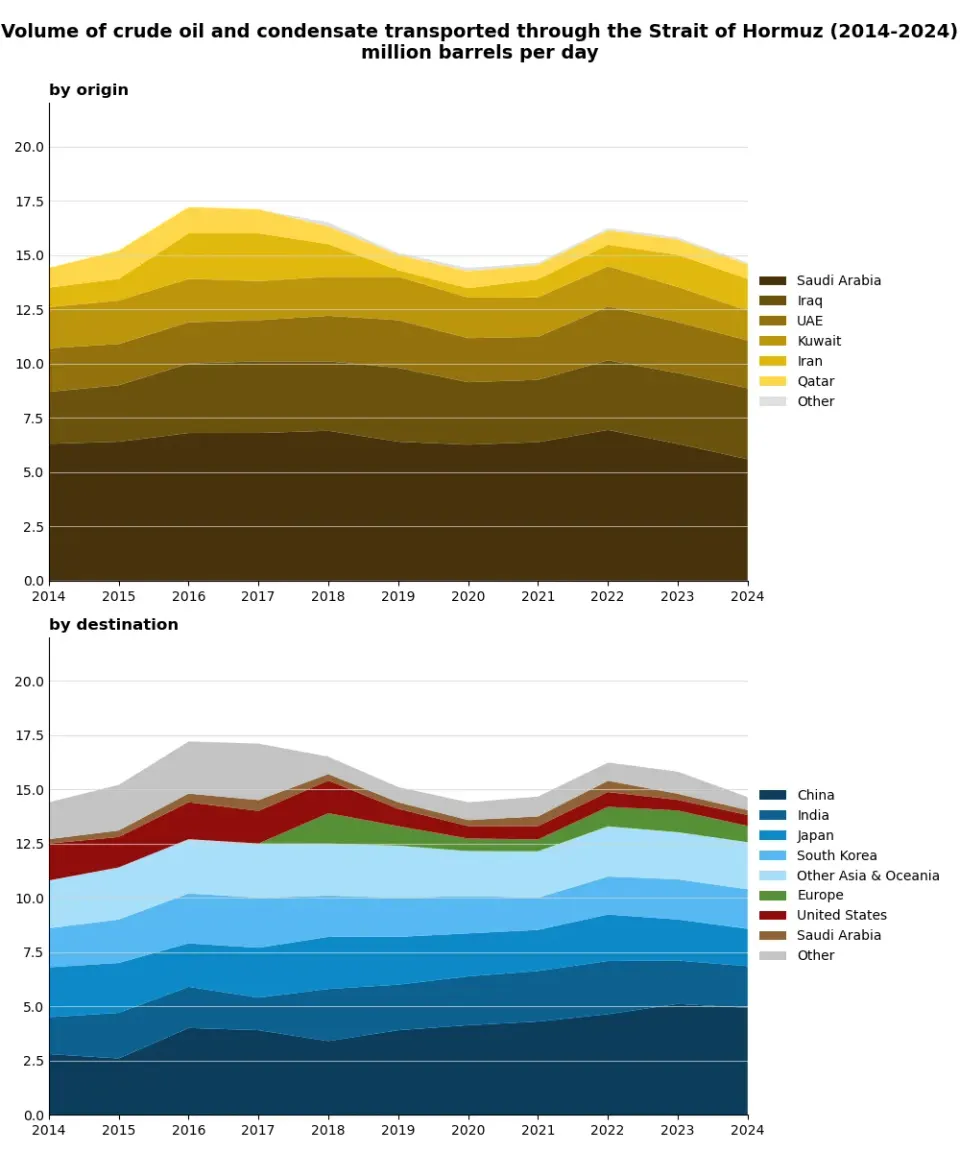
Tehran is not merely relying on words; it has begun implementing concrete retaliatory measures in the world’s most vital maritime chokepoint. The newly formed Persian Gulf Strait Authority has officially blacklisted 45 oil, LNG, and LPG tankers, accusing them of violating local regulations. This list specifically targets vessels linked to major regional producers like Saudi Arabia’s Bahri and the UAE’s ADNOC. Iranian officials have warned that "not a single drop of oil" will be allowed to leave the Gulf if the U.S. successfully implements its planned total embargo. This move is a direct response to the looming naval blockade and signals that Iran is willing to risk a direct maritime confrontation to protect its primary revenue source.
Interestingly, global energy markets have shown a somewhat muted reaction to this brinkmanship. Oil prices traded slightly lower today, as traders weigh the Iranian threats against a backdrop of slowing demand in China, the world's top buyer of Iranian crude. However, the internal Iranian market is reacting differently. Gold 18k/gram rose from 21,688,443 to 22,265,570 (+2.7%), reflecting a flight to safety among local investors who fear that a military or economic escalation in the Strait of Hormuz could lead to another hyper-inflationary spike. The Emami coin also climbed from 218,000,000 to 222,000,000 (+1.8%), confirming that the public is prioritizing hard assets over the volatile Toman.
---
Trump’s Multi-Front Trade War: Canada Under Fire
While the Middle East remains a primary focus, Donald Trump has simultaneously opened a massive economic front against America’s northern neighbor. Negotiations between Washington and Ottawa collapsed this week, leading Trump to threaten a 50% tariff on Canadian cars, trucks, and steel effective January 2027. Prime Minister Mark Carney’s negotiators walked away from the table, accusing the U.S. of making "disproportionate demands." This deepening trade war with Canada, which Trump described on social media as one of the "worst nations in the world to deal with," is injecting a fresh layer of volatility into global trade dynamics.
For Iran, the U.S.-Canada rift is more than a distant diplomatic spat; it affects the strength of the U.S. Dollar and the broader appetite for risk in global markets. As Trump pursues a "Fortress America" strategy, the resulting trade disruptions could lead to higher global commodity prices, further complicating Iran's efforts to manage its own inflation. Furthermore, the aggressive use of tariffs against a close ally like Canada reinforces the perception in Tehran that the current U.S. administration will not hesitate to use the full weight of its economic power to achieve political ends, leaving little room for the diplomatic de-escalation many had hoped for earlier in the year.

Frequently Asked Questions
What exactly is the 'Economic D-Day' mentioned by US officials?
Why is Iran blacklisting tankers from Saudi Arabia and the UAE?
How does the US-Canada trade war affect the Iranian economy?
Understanding Currency Devaluation in the Face of Sanctions
Currency devaluation refers to the official lowering of the value of a country's currency relative to other currencies, often the US dollar. When a currency devalues, it means that more units of the local currency are needed to purchase one unit of a foreign currency. For example, if the Toman devalues against the dollar, it takes more Tomans to buy one USD. This phenomenon has significant implications for a nation's economy, affecting everything from import costs to the purchasing power of its citizens.
One of the most potent drivers of currency devaluation, particularly in developing economies, is the imposition of economic sanctions. Sanctions, such as those targeting a country's oil exports or banking sector, severely restrict its ability to earn foreign currency. With fewer dollars, euros, or yen coming in, the supply of foreign currency within the sanctioned nation dwindles. This scarcity drives up the price of foreign currency relative to the local currency, leading to devaluation. Moreover, sanctions often erode investor confidence, leading to capital flight as both domestic and foreign investors seek safer havens for their wealth, further exacerbating the demand for foreign currency.
The consequences of severe currency devaluation are far-reaching and often painful for the general populace. Imported goods, from medicines and food staples to industrial components, become significantly more expensive, fueling inflation. This rise in prices erodes the purchasing power of wages and savings, effectively making citizens poorer. Businesses that rely on imported raw materials face higher costs, potentially leading to reduced production, job losses, and a general slowdown in economic activity. In the case of Iran, the sharp depreciation of the Toman against the USD has been a direct consequence of stringent international sanctions, making daily life increasingly challenging for ordinary Iranians.
Topics
Related Articles