Toman Surges Amid Red Sea Tensions and Trump's Trade War Threats
تومان با تشدید تنشها در دریای سرخ و تهدیدات جنگ تجاری ترامپ افزایش یافت
The Iranian Toman has seen a significant rebound, driven by geopolitical developments including Yemeni forces targeting a Saudi oil tanker and escalating trade tensions between the US and Canada. Meanwhile, global oil prices are climbing as new US sanctions on Iran loom.
At time of publishing
USD
203,100
Toman
Gold 18K
22.05M
Toman / gram
Bitcoin
$79,717
US Dollar
Tether
200,574
Toman
Toman Strengthens as Red Sea Tensions Escalate
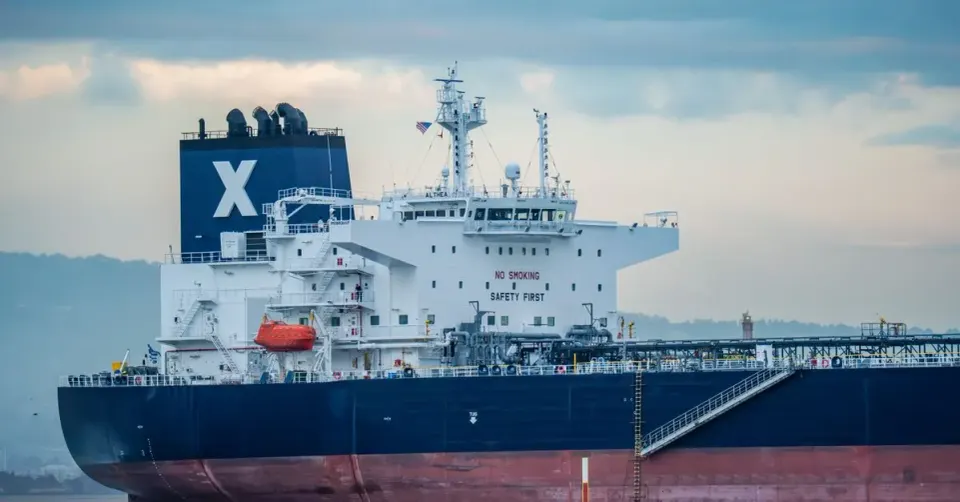
The Iranian Toman has experienced a notable appreciation, moving from 199,200 to 203,100 against the US dollar, marking a 2.0% increase in the last 24 hours. This surge appears to be linked to escalating geopolitical events in the region. The Yemeni army announced it had targeted a Saudi oil tanker in the Red Sea, off the coast of Yanbu. This action, if successful, could disrupt crucial shipping lanes and potentially impact global energy supplies, a factor that often leads to increased demand for safe-haven assets and currency stability in regional markets.
This development comes as Iran braces for further US economic measures, with Tehran potentially counting on its ties with China and other nations to weather the storm. However, the average Iranian citizen is likely to bear the brunt of these economic pressures. The IRGC has pledged support for the government in countering what it calls an "economic war" by the United States, signaling a unified front against external pressures. This coordinated stance, coupled with regional instability, may be contributing to a temporary boost in confidence for the Toman.
--- ## Trump Threatens Doubled Auto Tariffs, Rattling North American Trade
Former US President Donald Trump has reignited trade war fears by threatening to double auto tariffs on Canada to 50% starting January 1, 2027, following the collapse of trade talks. Trump declared, "We don't need Canada" in a social media post, indicating a potential return to protectionist policies that could significantly impact the North American automotive sector and beyond. This aggressive stance targets not only Canadian cars and trucks but also automotive parts and steel, creating uncertainty for manufacturers and consumers alike.
The implications for the US economy are mixed, with some sectors facing headwinds while analysts suggest the overall impact might be modest for the US. However, the threat alone has caused a stir, particularly for US automakers and home builders who are listed among the potential big losers. This move signals a potential shift in global trade dynamics, with broader economic consequences that could ripple through international markets and affect currency valuations as countries reassess their trade relationships and defensive economic strategies.

--- ## Global Oil Prices Climb as Iran Sanctions Loom
Global oil prices have surpassed $90 a barrel, driven by anticipation of new US economic measures against Iran and the ongoing geopolitical tensions in the Red Sea. The market is keenly watching how effectively US sanctions will impact China, Iran's largest oil buyer, and whether Beijing will offer significant pushback. The cyberattack on a small-scale UK energy facility, linked to Iranian-affiliated hackers, further underscores the volatile security environment, although the government stated there was no risk to the wider energy system.
These factors, combined with Europe's struggle to secure winter gas supplies amid high prices and competition from Asia, are creating upward pressure on energy markets. Goldman Sachs suggests that European natural gas prices need to jump significantly to ensure adequate winter storage. The ongoing crisis in the Middle East and intensified competition for spot LNG supply are directly impacting energy security and pricing globally, with potential knock-on effects for inflation and economic growth worldwide.
Frequently Asked Questions
What is the current exchange rate of USD to Toman?
Why is the Iranian Toman strengthening?
What are the implications of Trump's threat to double auto tariffs on Canada?
How are global oil prices being affected?
What is the IRGC's stance on the US economic pressure?
The Geopolitical Compass: Navigating Currency Fluctuations
The value of a nation's currency is a complex reflection of its economic health, trade balance, and, critically, its geopolitical standing. While often seen as purely economic indicators, exchange rates are profoundly sensitive to global political events, international relations, and regional stability. The recent reports of the Iranian Toman's movements amidst Red Sea tensions and threats of trade wars perfectly illustrate this intricate dance between geopolitics and currency valuation.
At its core, a currency's strength is often a gauge of investor confidence. Political stability, predictable international relations, and secure trade routes attract foreign investment and encourage domestic capital to remain within the country, strengthening the currency. Conversely, heightened geopolitical risks—such as military conflicts, trade disputes, or the threat of sanctions—typically deter investors, leading to capital flight and a weakening of the local currency as demand for safer, more stable assets (like the US dollar) increases.
The Red Sea tensions, for instance, disrupt critical global shipping lanes, increasing costs for international trade and potentially impacting supply chains. For an economy like Iran's, which relies heavily on oil exports, such disruptions can affect its ability to earn foreign currency, putting downward pressure on the Toman. Similarly, threats of trade wars and intensified sanctions, as alluded to by former President Trump, directly target a nation's access to international markets and its foreign exchange reserves, usually leading to currency depreciation.
However, the reported "surge" in the Toman amidst these pressures presents a more nuanced picture. While geopolitical tensions generally weaken a currency, a strengthening can occur due to various factors. This might include market speculation anticipating future policy shifts (e.g., a perceived easing of sanctions), specific government interventions to bolster the currency, or even a temporary market anomaly. For an oil-exporting nation, rising global oil prices (potentially fueled by regional instability) could, under certain conditions, increase foreign currency inflows if exports can be maintained, thereby strengthening the local currency despite broader challenges.
Ultimately, the Toman's response to these global events underscores that currency markets are not just about economic fundamentals; they are a dynamic arena where political posturing, regional conflicts, and international diplomacy play equally significant roles. Understanding these geopolitical currents is essential for comprehending the true forces that shape a nation's economic destiny and the daily value of its money.
Topics
Related Articles