US Launches ‘Economic Onslaught’ on Iran as Toman Hits 203k; TotalEnergies Backs Hormuz Bypass
یورش اقتصادی واشینگتن علیه ایران؛ جهش دلار به مرز ۲۰۳ هزار تومان و طرحهای عبور از تنگه هرمز
US Treasury Secretary Scott Bessent has declared an 'economic onslaught' to isolate Iran from the global financial system, sending the Toman to a record 202,900. Simultaneously, TotalEnergies is funding major pipelines to bypass the Strait of Hormuz, signaling a strategic shift in regional energy security.
At time of publishing
USD
202,900
Toman
Gold 18K
22.10M
Toman / gram
Bitcoin
$79,035
US Dollar
Tether
201,490
Toman
The ‘Economic Onslaught’: US Moves to Isolate Tehran
In a move that has sent shockwaves through Tehran’s markets, US Treasury Secretary Scott Bessent officially launched what he termed an "economic onslaught" aimed at severing Iran’s remaining connections to the global financial system. The announcement, delivered live, signals a transition from targeted sanctions to a comprehensive blockade strategy. Bessent emphasized that the Treasury is now targeting not just Iranian entities, but any international financial institution that facilitates transactions for the Islamic Republic. This "Operation Economic Outcast" is designed to create a total vacuum around Iran’s economy, leaving the government with few avenues for legitimate trade or currency acquisition.
The immediate impact on the domestic market was severe. According to the latest data, the USD sell rate in Tehran jumped from 199,200 to 202,900 Toman, marking a 1.9% increase in just 24 hours. This breach of the 200,000 milestone has triggered a ripple effect across all asset classes. Gold 18k per gram followed the same trajectory, rising from 21,688,443 to 22,103,975 Toman (+1.9%), while the Emami coin rose from 218,000,000 to 222,000,000 Toman (+1.8%). For the average Iranian, this translates to an immediate loss of purchasing power and a renewed surge in inflationary expectations as the cost of imports is expected to skyrocket.
Bypassing Hormuz: TotalEnergies’ Strategic Pivot
While Washington tightens the financial noose, the energy world is moving to permanently diminish Iran’s primary geopolitical lever: the Strait of Hormuz. TotalEnergies CEO Patrick Pouyanné announced on Monday that the company will invest in two massive pipeline projects designed to bypass the volatile waterway. One route will expand Abu Dhabi’s Fujairah export capacity, while the other aims to carry Iraqi crude through Syria to the Mediterranean. Pouyanné described these investments as an "absolute priority" following the paralysis of the Strait during recent regional conflicts, effectively signaling that major oil players no longer view the Persian Gulf's narrowest point as a reliable transit route.
This shift has profound implications for Iran's regional influence. Historically, Tehran has used the threat of closing the Strait of Hormuz as a deterrent against Western pressure. However, as these bypass routes become operational, that threat loses its potency. The diversification of export routes by neighbors like the UAE and Iraq, backed by European capital, suggests a long-term strategy to insulate global energy markets from Iranian geopolitical maneuvers. For the Iranian government, this represents a double blow: decreasing relevance in the global energy supply chain and a loss of tactical leverage at the negotiating table.

Trade Wars and Crypto Milestones: The Global Context
The pressure on Iran is unfolding against a backdrop of global economic turbulence. In North America, a burgeoning trade war between the US and Canada is reaching a boiling point. President Donald Trump has threatened 50% tariffs on Canadian autos and steel, a move that Mark Carney, a prominent Canadian figure, warned would devastate cross-border economic ties. This protectionist shift is contributing to a stronger US Dollar globally, which in turn puts additional pressure on emerging market currencies and the Iranian Toman. Companies like Ford, with significant investments in Canada, are now caught in the crosshairs, highlighting the unpredictable nature of the current US administration's trade policy.
Meanwhile, the cryptocurrency market has provided a rare bright spot for digital asset holders. Bitcoin (BTC) surged past the $80,000 mark for the first time since May, currently trading at $79,035. The rally triggered over $220 million in short liquidations within 24 hours, as bullish sentiment returned to the space. For Iranians using crypto as a hedge against the Toman’s collapse, the dual effect of a rising BTC price and a rising USD/IRR rate has resulted in significant wealth preservation. However, analysts warn that the market remains volatile, and the "bear-market thesis" has not been fully defeated despite the recent price action.
Geopolitics: UK Prime Minister Visits Kyiv
On the diplomatic front, the newly elected UK Prime Minister Andy Burnham made his first international trip to Kyiv, marking the 35th anniversary of Ukraine’s independence. Burnham’s visit is seen as a renewal of British commitment to Ukraine at a time when US support has become more transactional under the current administration. By visiting the front lines and meeting with President Zelenskyy, Burnham is positioning the UK as a key intermediary between Europe and the White House. This visit also underscores the ongoing alignment of Western powers against the Russia-Iran axis, as the UK continues to provide military and diplomatic backing to counter Iranian-made drone technology used in the conflict.
Frequently Asked Questions
What is 'Operation Economic Outcast' announced by the US?
Why is TotalEnergies investing in pipelines to bypass the Strait of Hormuz?
How has the Iranian Toman reacted to these developments?
Is the Bitcoin surge to $80,000 sustainable?
The Strategic Significance of the Strait of Hormuz
The Strait of Hormuz is a narrow waterway, only about 21 nautical miles wide at its narrowest point, that links the Persian Gulf with the Gulf of Oman and the open ocean. Roughly one‑third of the world’s petroleum passes through this chokepoint each day, making it a critical artery for global energy markets. Because the strait lies between the Iranian coast and the United Arab Emirates, any disruption can instantly reverberate through oil prices, exchange rates, and even the balance of power in the Middle East.
In recent years the United States has intensified sanctions on Iran, targeting its oil exports, banking sector, and even the Iranian rial. By constraining Iran’s ability to ship crude through Hormuz, Washington hopes to squeeze Tehran’s revenue and force compliance with its nuclear and regional policies. The concept of a “chokepoint” is central here: a single geographic bottleneck that can be leveraged for political pressure. When a nation controls or can threaten a chokepoint, it gains disproportionate leverage over global trade flows.
To mitigate the risk of a Hormuz shutdown, energy majors such as TotalEnergies have begun planning alternative routes. The most ambitious is a proposed bypass pipeline that would run from the Iranian offshore fields, skirt the strait, and connect to the United Arab Emirates’ export terminals without transiting the waterway itself. If built, this infrastructure would allow oil to reach global markets even if the strait were blocked, reducing the strategic value of a Hormuz‑centric embargo and reshaping regional logistics.
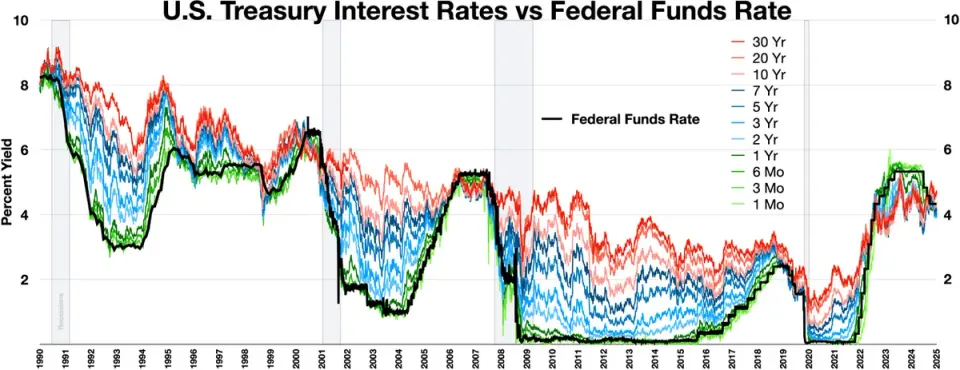
The economic fallout of a prolonged Hormuz disruption would be severe for Iran. Its currency, the toman, has already plummeted to over 200,000 per US dollar, reflecting both sanctions‑induced capital flight and the loss of vital export earnings. Moreover, the broader geopolitical environment—such as the emerging US‑Canada trade tensions and the war in Ukraine—means that any shock to oil supplies can quickly amplify inflation and financial instability worldwide.
Understanding the dynamics of the Strait of Hormuz helps explain why nations invest heavily in both diplomatic pressure and engineering workarounds. It also illustrates a classic lesson in international economics: when a single geographic point can affect global markets, states will seek multiple layers of redundancy—political, legal, and physical—to safeguard their interests.
Topics
Related Articles