Trump’s 50% Canadian Tariff Shockwave: Toman Hits 203k as ‘Economic D-Day’ Begins
شوک تعرفه ۵۰ درصدی ترامپ به کانادا؛ عبور دلار از ۲۰۳ هزار تومان در آستانه «دی-دی اقتصادی»
Donald Trump has ignited a trade war with Canada, announcing massive 50% tariffs on autos and steel, while the US Treasury launches 'Operation Economic Outcast' against Iran. As the Toman holds at record lows, global markets are bracing for a return to inflationary pressures and aggressive secondary sanctions.
At time of publishing
USD
203,500
Toman
Gold 18K
22.10M
Toman / gram
Bitcoin
$78,853
US Dollar
Tether
201,248
Toman
The 50% Shock: Trump Targets Canada’s Industrial Core
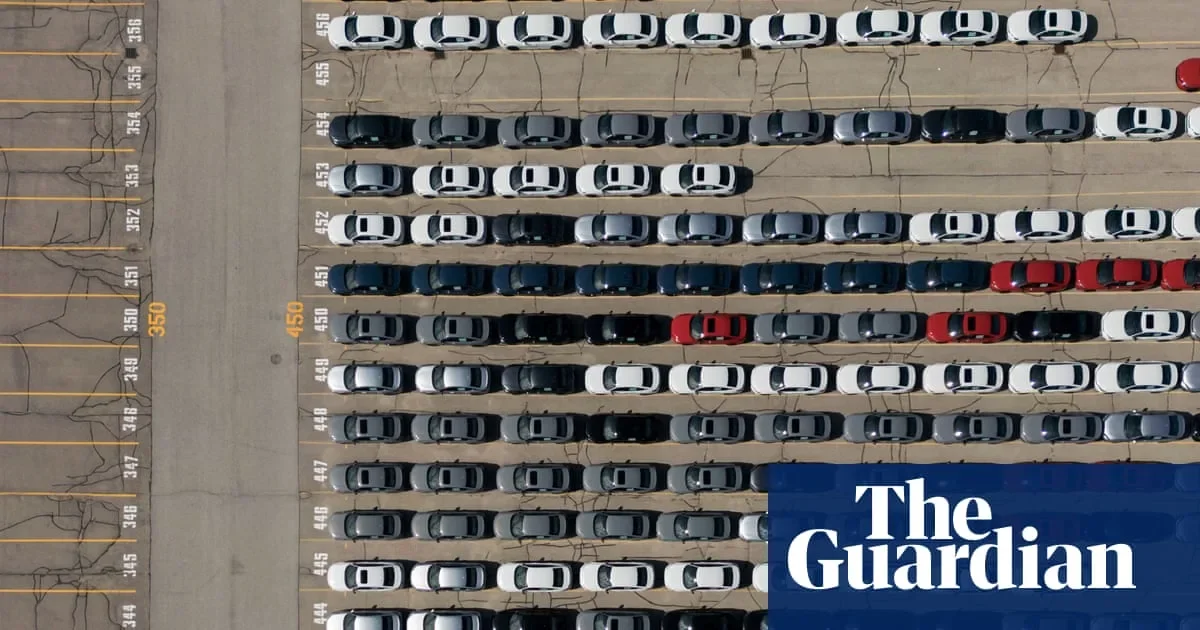
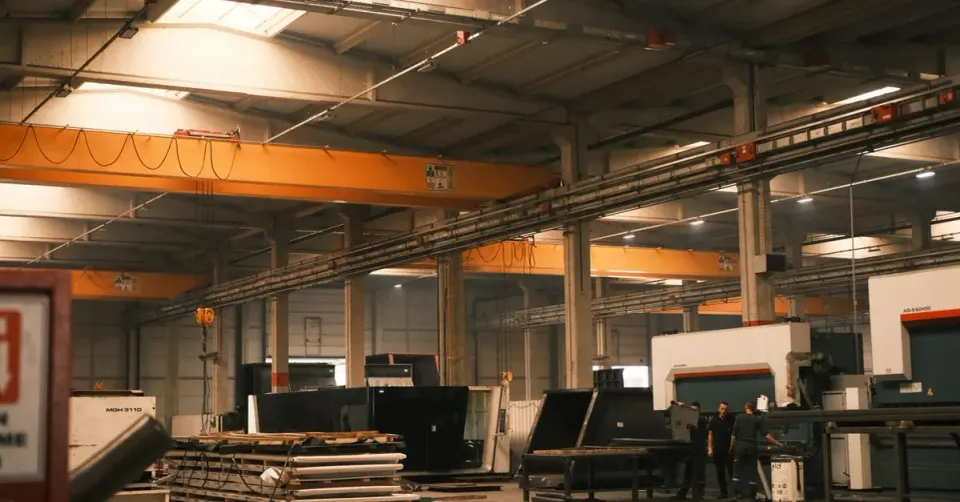
In a move that has sent tremors through global supply chains, Donald Trump has announced a staggering 50% tariff on all automobiles, trucks, and steel imported from Canada. Set to take effect on January 1, 2027, this policy marks a radical departure from decades of integrated North American trade. Trump justified the move by accusing Canada of "ripping off" American farmers for years, signaling that his administration is willing to sacrifice historic alliances in favor of a strictly protectionist agenda. This isn't just a political jab; it is a fundamental restructuring of the automotive industry, where parts often cross the border multiple times before a vehicle is finished.
For the markets, the implications are twofold. First, the cost of vehicles in the United States is expected to skyrocket, potentially reigniting domestic inflation just as the Federal Reserve was hoping to stabilize prices. Second, analysts are already speculating that such aggressive trade barriers could force the U.S. back into a period of quantitative easing (QE) to prevent an industrial recession. This prospect has paradoxically provided a floor for gold and long-term bonds, as investors seek hedges against a potential devaluing of the dollar in the long run. However, in the immediate term, the uncertainty is driving a flight to safety that is punishing emerging market currencies.
Operation Economic Outcast: The Squeeze on Tehran Tightens
While trade wars brew in the North, the Trump administration has officially launched "Operation Economic Outcast," a campaign described by Treasury Secretary Scott Bessent as an "economic D-Day" for the Iranian regime. The strategy involves expanding secondary sanctions to target any foreign entity maintaining economic ties with Tehran, aiming to achieve through financial strangulation what military posturing has not. The first round of measures has already blacklisted nearly 60 individuals, entities, and vessels. This escalation is reflected in the domestic market, where the USD/IRR exchange rate moved from 199,200 to 203,500 (+2.2%) in just 24 hours, reflecting a deep-seated anxiety among traders.
Domestically, the Iranian government is attempting to project a stance of defiance. Parliament Speaker Mohammad Bagher Ghalibaf recently stated that Iran would not yield to this "economic onslaught" and accused the U.S. of fabricating his previous remarks to project a narrative of defeat. However, the reality on the ground is stark: the price of 18k gold has risen from 21,688,443 to 22,103,975 Toman per gram (+1.9%), and the Emami coin has climbed to 222,000,000 Toman (+1.8%). These numbers suggest that the public is rapidly moving capital into hard assets as the window for diplomatic de-escalation appears to be closing.

Infrastructure and the Cost of Living: A Global Struggle
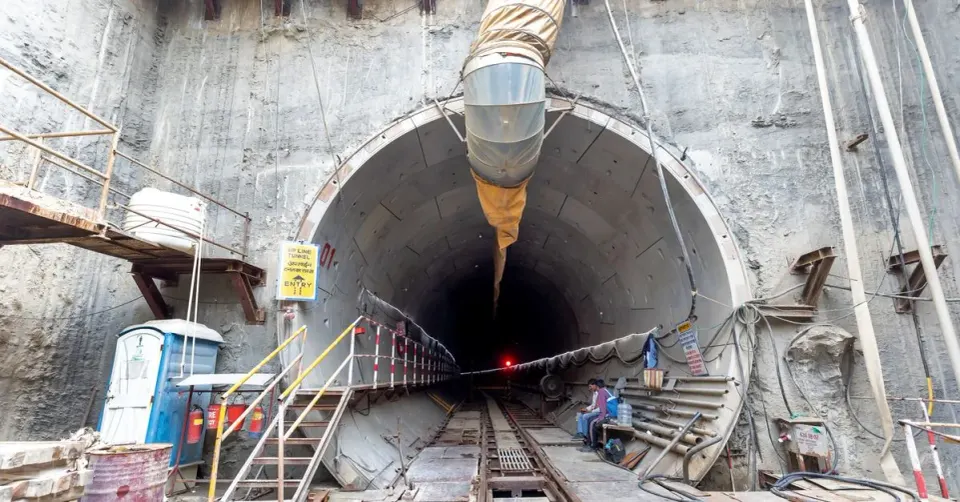
Beyond the geopolitical headlines, the cost of living and infrastructure management are becoming central political battlegrounds. In Australia, Victorian Premier Ben Carroll has performed a calculated about-face on the Suburban Rail Loop (SRL) project. After hinting at a pause, Carroll committed to pushing ahead with the first stage but announced a $1 billion cost-cutting measure by reducing the project's scope. This move highlights a growing global trend: governments are being forced to scale back ambitious infrastructure projects as the cost of borrowing and raw materials—driven by the very trade wars Trump is escalating—makes large-scale spending increasingly unsustainable.
Meanwhile, the "proper pint" is under threat in the UK, as the Campaign for Real Ale (Camra) reported its membership has hit an eight-year low, alongside an £800,000 loss. While this may seem like a niche cultural story, it is a micro-indicator of the broader economic malaise. As multinational corporations squeeze out independent breweries and the cost of living forces consumers to cut discretionary spending, the social fabric of local economies is beginning to fray. Whether it is a massive rail project in Melbourne or a local pub in London, the theme remains the same: the global economy is entering a period of contraction and consolidation where only the most essential or the most subsidized survive.
Security Breaches and Domestic Unrest
Finally, the physical security of infrastructure is coming under scrutiny following a massive arson attack near Gatwick Airport. A fire at the Caldyne business park destroyed approximately 140 vehicles belonging to airport passengers, leading to widespread power cuts and business disruptions. A man has been arrested, but the event has raised questions about the vulnerability of transport hubs during times of heightened social and economic tension. Such incidents, while localized, contribute to a general sense of instability that further encourages investors to pull back from risky ventures and stick to traditional safe havens like gold and top-tier cryptocurrencies.
Frequently Asked Questions
Why did Trump target Canada with a 50% tariff?
What is 'Operation Economic Outcast'?
How has the Iranian market reacted to these announcements?
What is the significance of the cost-cutting in Australia's SRL project?
Understanding Tariffs: How Trade Taxes Ripple Through Prices and Currencies
A tariff is a tax levied by a government on imported goods or services. It can be expressed as a percentage of the good’s value (ad valorem) or as a fixed amount per unit (specific). While tariffs generate revenue and can protect domestic industries from foreign competition, they also alter the relative price of imported products.
The immediate economic effect of a tariff is a rise in the price of the taxed import. Consumers either pay more or switch to domestic substitutes, creating a dead‑weight loss that reduces overall welfare. Because imported goods become more expensive, the higher cost is often passed through to downstream producers and ultimately to retail prices – a process known as tariff pass‑through. In economies that rely heavily on imports for essential inputs, this price pressure can weaken the national currency as importers need more foreign currency to pay for the same goods.
A concrete illustration is the 2026 announcement of a 50 % tariff by the United States on a broad swath of Canadian products. For a country like Iran, which already faces extensive sanctions and limited access to foreign exchange, the shockwave can be dramatic. Higher import costs for commodities that transit through Canada raise the demand for dollars, pushing the USD/IRR (or USD/Toman) rate higher and causing the toman to depreciate sharply – a scenario described in the media as an “Economic D‑Day.” The interaction between tariffs, sanctions, and exchange‑rate pressure underscores how trade policy can quickly become a macro‑economic shock.
Policymakers must weigh these cascading effects. While tariffs can shield nascent industries, they also invite retaliation, potentially sparking a broader trade war that harms global growth. Institutions such as the World Trade Organization (WTO) provide a rules‑based framework to resolve disputes, and economists use models of dead‑weight loss and exchange‑rate pass‑through to assess the net impact of tariff measures.
Topics
Related Articles