Energy Giants Pivot as 'Iran War' Profits Soar; Tehran Braces for Sanctions 'D-Day'
چرخش غولهای انرژی با سودهای کلان جنگ؛ تهران آماده «دی-دی» اقتصادی میشود
As the conflict in the Middle East drives oil prices to record highs, global energy giants like Woodside are scrapping green targets to chase fossil fuel windfalls. Meanwhile, Tehran claims full readiness for the US 'Economic D-Day' as domestic gold prices surge by 1.4%.
At time of publishing
USD
203,700
Toman
Gold 18K
22.40M
Toman / gram
Bitcoin
$80,808
US Dollar
Tether
203,033
Toman
The Fossil Fuel Pivot: War Profits Over Green Targets
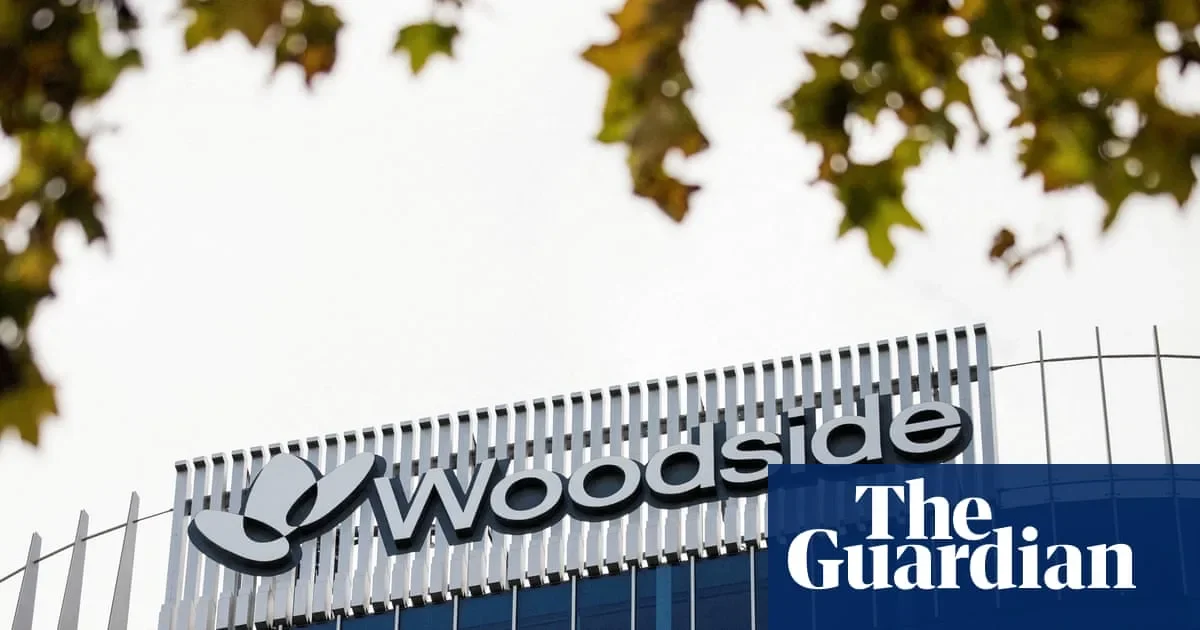
In a stark reminder of how geopolitical conflict reshapes global priorities, Australia’s largest oil and gas producer, Woodside Energy, has officially scrapped its long-term emissions and clean energy targets. The decision follows a massive 27% surge in sales profit, reaching $1.67 billion (A$2.33bn) in the latest six-month period. This windfall is directly attributed to the ongoing conflict involving Iran, which has disrupted global supply chains and sent crude prices into a frenzy. For the board at Woodside, the immediate financial gains from fossil fuels have clearly outweighed the long-term optics of environmental sustainability, a move climate campaigners are already labeling as "grossly negligent."
This shift reflects a broader trend in the 2026 energy market. As regional tensions escalate, the 'security' of energy supply has replaced 'sustainability' as the primary driver for corporate strategy. For Iranian observers, this highlights a bitter irony: while the regional conflict brings immense pressure to the domestic economy, it is simultaneously generating record-breaking profits for Western-aligned energy firms. The surge in oil prices acts as a double-edged sword, providing the Iranian government with potential shadow-market revenue while reinforcing the resolve of global competitors to double down on traditional energy extraction.
Tehran Braces for 'Economic D-Day' as Gold Surges
The rhetoric between Washington and Tehran has reached a fever pitch this Tuesday morning. US officials have characterized their latest wave of expanded sanctions as an "Economic D-Day," designed to maximize pressure on the Iranian financial system. In response, Tehran has issued a statement claiming it is "fully prepared" to counter these measures, suggesting that alternative trade routes and digital payment systems are already in place. However, the domestic markets are showing signs of defensive positioning. The US Dollar in the Tehran open market rose slightly from 203,500 to 203,700 Toman (+0.1%), but the real action is in the gold market.
Gold has become the primary hedge for Iranians fearing the next phase of the economic standoff. The price of 18k gold jumped from 22,103,975 to 22,404,081 Toman per gram, a significant 1.4% increase within just 24 hours. Similarly, the Emami coin rose from 222,000,000 to 224,000,000 Toman (+0.9%). This rally in gold, coupled with a global ounce price holding at $4,651.20, suggests that while the central bank attempts to project calm, the public is moving liquidity into hard assets to weather the anticipated sanctions storm. The "D-Day" branding by the US has clearly triggered a psychological shift in the market, even if the structural impact of the sanctions is yet to be fully felt.

Global Fragility: From Trade Wars to Property Collapses
The instability isn't limited to the Middle East. A "perfect storm" of high material costs and labor shortages has claimed another victim in the global property market, with major Sydney developer Bathla Group entering voluntary administration. This collapse leaves thousands of homebuyers in limbo and serves as a warning sign for global real estate health in a high-interest-rate environment. Simultaneously, the North American trade corridor is fracturing; Donald Trump has threatened to hike tariffs on Canadian vehicles and steel to 50%, a move that economists warn could price Canadian firms out of the US market entirely and threaten thousands of jobs.
For the global investor, these stories represent a fragmentation of the post-war economic order. Whether it is the escalation of trade wars between the US and Canada or the sudden collapse of established property giants in Australia, the theme of 2026 is volatility. This environment of uncertainty is exactly what has pushed Bitcoin to the $80,808 level, as traders bet on a rapid jump toward $82,000. In a world where even the most stable jurisdictions—like Australia or Canada—are facing systemic shocks, decentralized assets and precious metals are no longer just alternative investments; they are becoming the core of survivalist portfolios.

Frequently Asked Questions
Why is the US calling the new sanctions 'Economic D-Day'?
How has the 'Iran war' impacted global energy companies?
Is the 1.4% rise in gold prices purely due to sanctions?
Understanding Economic Sanctions: A Tool of Geopolitics with Far-Reaching Consequences
Economic sanctions are a powerful, non-military tool of foreign policy, imposed by one or more countries (or international bodies) against a target country, entity, or individual. They typically involve restrictions on trade, financial transactions, investments, and sometimes travel. The primary goal of sanctions is to compel a change in behavior from the targeted party, whether it's related to nuclear proliferation, human rights abuses, or aggression against other nations, by inflicting economic pain and isolating them from the global economy.
These measures can range from comprehensive embargoes that broadly restrict all commercial activity to more targeted sanctions focusing on specific sectors, individuals, or goods. For instance, financial sanctions might freeze assets or restrict access to international banking systems, while trade sanctions could ban the export or import of certain technologies or commodities. Secondary sanctions are particularly potent, as they penalize third-party entities that continue to do business with the primary target, effectively extending the reach of the imposing country's laws beyond its borders.
The impact on a targeted nation, such as Iran, can be profound and multifaceted. Sanctions often lead to severe currency depreciation, as seen with the Toman exchange rate, fueling rampant inflation and eroding purchasing power for ordinary citizens. They restrict access to essential goods and services, disrupt supply chains, and make it difficult for the country to engage in international trade or attract foreign investment. The term "Economic D-Day" aptly captures the sense of an impending, severe economic shock, as a nation braces for intensified isolation and hardship.
Beyond the targeted country, economic sanctions can also ripple through the global economy. They can drive up prices for commodities like oil, benefiting energy giants as supply routes are disrupted or geopolitical risk premiums increase. Furthermore, they can encourage targeted nations and their trading partners to seek alternative payment systems and trade routes, potentially fostering the use of alternative assets like gold or, in some cases, even cryptocurrencies like Bitcoin, as a means to circumvent traditional financial channels and preserve wealth.
Topics
Related Articles