
Economic D-Day: US Targets Iran’s Crypto and Gold as Bitcoin Nears $80,000 Amid Trade War
دیدی اقتصادی: تحریمهای جدید آمریکا علیه کریپتو و طلای ایران همزمان با جهش بیتکوین به ۷۹ هزار دلار
The US Treasury has launched a massive 'Economic D-Day' campaign against Iran, targeting its crypto and gold sectors, while a worsening US-Canada trade war pushes Bitcoin toward historic highs.
At time of publishing
USD
203,500
Toman
Gold 18K
21.79M
Toman / gram
Bitcoin
$79,256
US Dollar
Tether
199,700
Toman
The 'Economic D-Day' and the Siege of Tehran’s Liquidity
Washington has officially escalated its financial pressure on Iran to a level the Treasury Department is calling an "Economic D-Day." This new wave of sanctions is not merely a repeat of previous measures; it is a surgical strike targeting five specific pillars of the Iranian economy: technology, gold, aviation, shipping, and, most significantly, the cryptocurrency sector. By explicitly naming digital assets as a primary target, the US is attempting to close the final loopholes used by the Iranian government to bypass traditional banking blocks and fund regional activities. Experts warn that while this campaign is designed to avoid direct military confrontation, the sheer aggression of these financial measures could provoke the very regional escalation it seeks to prevent, as Tehran has already vowed retaliation across the oil-rich Gulf.
In the local markets of Tehran, the atmosphere remains tense despite the USD/IRR exchange rate holding steady at 203,500 Toman at the 14:00 session. Interestingly, Gold 18k and Emami coins have actually seen a 1.4% decrease today, with Gold 18k/gram falling from 22,103,975 to 21,792,326 Toman. This dip likely represents a temporary correction after the recent "war fear" rally, as traders move to the sidelines to assess the impact of the new sanctions. However, the long-term outlook for the Toman remains precarious as the "Economic D-Day" aims to isolate the Iranian financial system from any remaining global liquidity channels.
Trade War Heat: Trump’s Tariffs and the Canadian Response
The geopolitical landscape is further complicated by a deepening rift between Washington and its northern neighbor. President Trump’s 50% tariffs on Canadian cars, trucks, and steel have officially taken effect, effectively igniting a full-scale trade war. Canada is expected to announce its formal retaliation later today, a move that marks a historic low in the relationship between the two former allies. This protectionist shift is not just a regional issue; it is fundamentally altering global trade routes and weakening the purchasing power of the US Dollar, leading investors to seek refuge in "hard assets" and decentralized finance.
For the Iranian observer, this trade war is a double-edged sword. On one hand, the distraction of a major trade conflict between the US and Canada may limit Washington's diplomatic bandwidth. On the other hand, the disruption of global supply chains and the resulting inflationary pressure mean that the cost of imported goods in Iran will likely continue to rise, even if the domestic exchange rate remains stable. This global instability is a primary driver behind the "debasement trade," where capital flows out of fiat currencies and into assets like Bitcoin, which is currently benefiting from the chaos.

The Hormuz Premium and the Surge in Global Energy Costs
The Strait of Hormuz has transformed into the world’s most expensive maritime corridor. India’s crude oil import bill has surged dramatically, not due to the price of oil alone, but because of a massive spike in freight and insurance rates. Shipping costs for a single voyage through the Strait have quadrupled as insurers re-evaluate the risk of military escalation in the region. This "Hormuz Premium" is a direct consequence of the ongoing tensions and the threat of Iranian retaliation against shipping lanes, which has forced global buyers to pay unprecedented premiums for Middle Eastern crude.
This energy bottleneck is the primary engine of current global economic anxiety. As long as the shipping lanes remain a high-risk zone, the cost of living worldwide will continue to climb, reinforcing the appeal of gold and crypto as hedges against inflation. While gold prices in Tehran saw a minor 1.4% dip today, the underlying global fundamentals suggest that the floor for precious metals will remain high as long as the geopolitical risk in the Persian Gulf persists.
Bitcoin $79,000: The Debasement Trade Gains Momentum
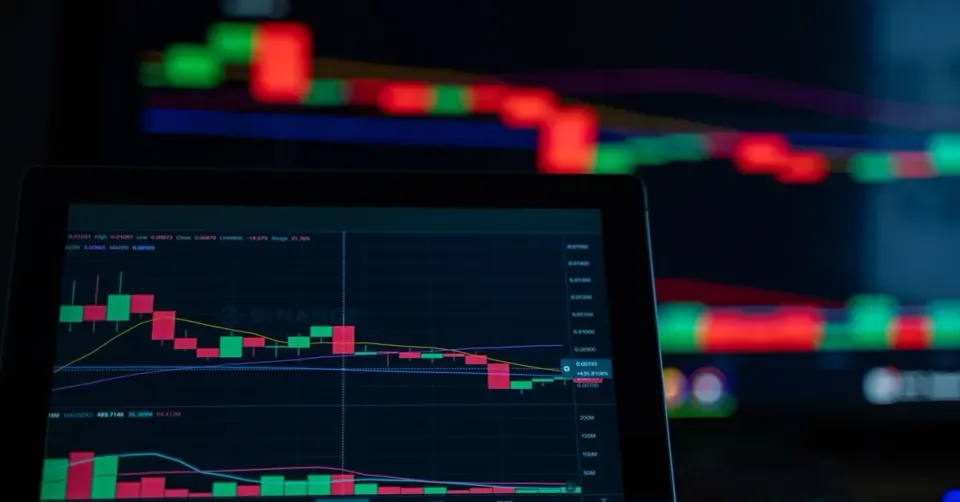
Bitcoin is currently trading at $79,256, hovering just below the psychological $80,000 barrier. This rally is being fueled by what analysts call the "debasement trade"—a shift toward assets with fixed supplies as major currencies are devalued by debt and trade wars. The recent news that Standard Chartered has become the first bank distributor of a Hong Kong Dollar stablecoin further legitimizes the role of digital assets in the global financial architecture. This trend is moving faster than regulators can manage, providing a decentralized alternative to a global financial system that is increasingly being used as a weapon of war.
For Iranians, the rise of Bitcoin represents more than just a speculative opportunity; it is a barometer of global distrust in traditional fiat systems. As the US Treasury tightens its grip through the "Economic D-Day" sanctions, the irony is that these very actions are accelerating the adoption of the technologies they seek to suppress. In an era of trade wars and financial blockades, the digital gold narrative is becoming the primary exit ramp for capital seeking to escape the crossfire of geopolitical conflict.
Frequently Asked Questions
What does the 'Economic D-Day' term mean for Iran?
Why did gold prices in Tehran fall despite new sanctions?
How is the US-Canada trade war affecting Bitcoin?
What is the 'Hormuz Premium' mentioned in the energy sector?
Financial Sanctions and the Quest for Circumvention
Financial sanctions are punitive measures imposed by one country or a group of countries on another, aiming to pressure the target nation to change specific behaviors, such as nuclear proliferation, human rights abuses, or support for terrorism. These sanctions typically restrict access to international financial systems, freeze assets, and limit trade, thereby isolating the targeted economy and creating significant economic hardship. The goal is to make it difficult for the sanctioned country to conduct international transactions and access essential goods and services, ultimately forcing a policy shift.
However, nations under severe financial sanctions still need to engage in international trade, acquire vital imports, and maintain their economic stability. With traditional banking channels largely blocked, these countries are compelled to seek alternative, often illicit or non-traditional, methods to circumvent the restrictions. This drive for circumvention leads to a complex cat-and-mouse game between sanctioning authorities and the sanctioned entities, constantly evolving as new technologies and strategies emerge.
Among the most prominent tools for circumventing financial sanctions are traditional assets like gold and modern digital assets such as cryptocurrencies. Gold has historically served as a universal store of value and a medium of exchange, independent of national currencies or banking systems. Its physical nature allows for discreet cross-border movement and trade outside regulated financial networks. Cryptocurrencies, like Bitcoin, offer a decentralized, pseudonymous, and peer-to-peer transaction mechanism that bypasses traditional financial intermediaries, making it challenging for authorities to track and block transactions. This digital avenue provides a novel way for sanctioned entities to conduct international payments and trade.
While these alternative assets offer avenues for circumvention, they come with their own set of challenges. For sanctioned entities, cryptocurrencies are subject to extreme price volatility, security risks from hacks and scams, and often limited liquidity, making large-scale transactions difficult. For sanctioning bodies, the decentralized nature of crypto makes enforcement and tracking incredibly complex, leading to the imposition of "secondary sanctions" on individuals or entities that facilitate such transactions. This ongoing struggle highlights the evolving landscape of global finance and the persistent efforts by nations to maintain economic lifelines under duress.
Topics
Related Articles