Iran-Iraq Judicial Ties Deepen as Oil Markets Defy Sanctions 'D-Day' Rhetoric
تعمیق روابط قضایی تهران و بغداد؛ بیتفاوتی بازار نفت به تهدیدات «روز دی» علیه ایران
Tehran and Baghdad move to strengthen legal cooperation as China warns the US against widening sanctions. Meanwhile, global oil prices decline as investors shrug off 'Economic D-Day' fears, leading to a slight recovery for the Toman.
At time of publishing
USD
201,500
Toman
Gold 18K
21.77M
Toman / gram
Bitcoin
$79,273
US Dollar
Tether
201,168.21
Toman
Iran-Iraq Legal Alignment: Ejei’s Strategic Baghdad Visit
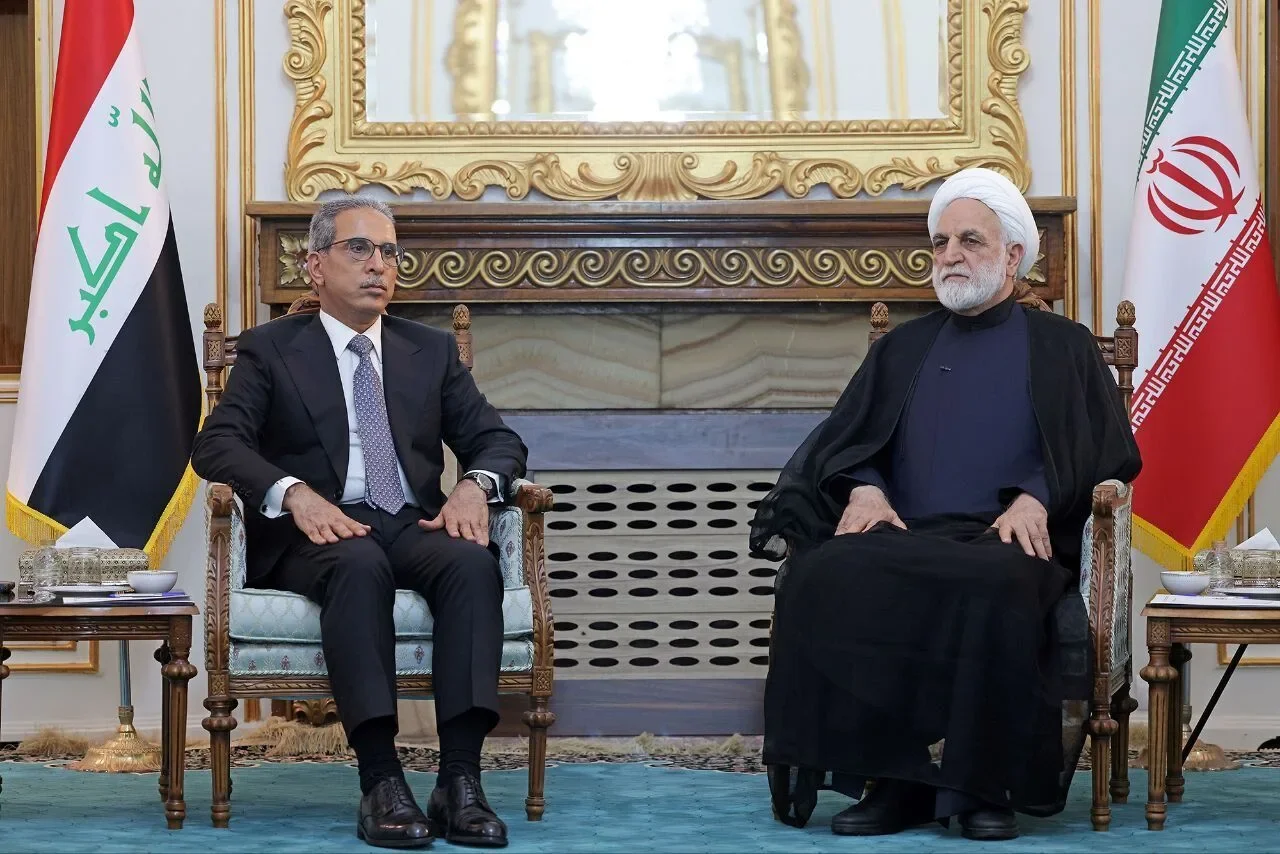
In a move to solidify regional influence and streamline cross-border legal hurdles, Iranian Judiciary Chief Gholam-Hossein Mohseni-Ejei has concluded high-level talks in Baghdad. According to reports from Iranian state media, the visit aimed at deepening cooperation in various fields, ranging from legal assistance to judicial protocols. This diplomatic push comes at a critical time when both nations are navigating complex security and economic challenges, suggesting that Tehran is seeking more formal, institutionalized ties with its neighbor to ensure stability along its western border. The deepening of these ties is not merely symbolic; it represents a strategic effort to facilitate smoother trade and security operations. By harmonizing judicial processes, both countries hope to address issues such as prisoner exchanges, cross-border crime, and commercial disputes that have often slowed economic integration. For the Iranian leadership, a robust legal partnership with Iraq serves as a vital buffer against international isolation, providing a structured framework for regional engagement that bypasses traditional Western-dominated diplomatic channels.

China’s Defiance: Safeguarding Interests Against US Sanctions
Beijing has issued a stern warning to Washington following the latest expansion of US sanctions targeting Iran’s oil sector. As the primary buyer of Iranian crude, China stated it would take all necessary measures to safeguard its legitimate interests and the rights of its companies. This friction highlights the growing divide between US efforts to isolate Tehran and China’s reliance on Iranian energy to fuel its massive economy. The US has threatened to isolate any nation that continues to do business with Tehran, but Beijing’s response suggests that the "maximum pressure" campaign may face significant resistance from the world's second-largest economy. This development is crucial for the Iranian economy, as China remains its most significant financial lifeline. If Beijing continues to defy US pressure, it provides a floor for Iran's oil revenue, which in turn supports the domestic currency and government spending. However, the escalation of rhetoric between the two superpowers adds a layer of geopolitical risk to the global energy market. For the average Iranian reader, this standoff is a signal that while sanctions are tightening, the total economic blockade sought by Washington is still being actively challenged by major global powers.
Market Watch: Oil Prices Dip as 'Economic D-Day' Fears Fade
Despite the aggressive rhetoric surrounding the so-called "Economic D-Day" for Iran, global oil markets have reacted with surprising calm. Both West Texas Intermediate (WTI) and Brent crude contracts for October delivery declined by approximately 3%, as investors chose to brush aside the immediate threat of supply disruptions. Analysts suggest that the market had already priced in much of the geopolitical tension, and the lack of immediate physical escalation in the Persian Gulf has led to a cooling of speculative buying. This decline in oil prices reflects a broader skepticism among global traders regarding the effectiveness of new sanctions in the short term.
In Tehran, this relative calm in the global energy market has translated into a slight strengthening of the local currency. The USD/IRR exchange rate moved from 203,500 down to 201,500, representing a 1.0% appreciation for the Toman over the last 24 hours. Similarly, the gold market saw a correction, with 18k gold per gram falling from 22,103,975 to 21,771,549 Toman (-1.5%). The Emami coin also dropped from 222,000,000 to 217,000,000 Toman, a 2.3% decrease. This suggests that the initial panic that drove prices higher last week is subsiding as the market awaits more concrete developments.
Geopolitical Bridges: UK’s Burnham and the Trump Factor
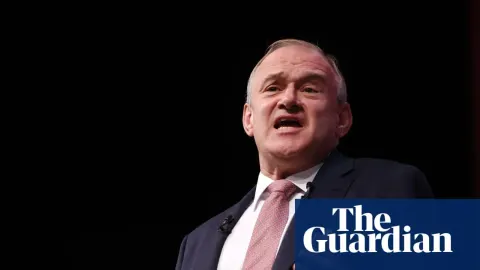
In a notable shift in British diplomacy, Manchester Mayor Andy Burnham is reportedly preparing to take President Zelenskyy’s pleas for Patriot missile systems directly to Donald Trump. This move comes as the UK government attempts to balance its housing crisis and social spending with its international commitments. While the UK Prime Minister and a delegation of leaders are lobbying for increased supplies to Ukraine, the decision to engage with Trump—even before the US election cycle reaches its peak—signals a recognition of his enduring influence on American foreign policy and security assistance.

This lobbying effort highlights the precarious nature of global military alliances in 2026. As Ukraine pleads for more advanced air defense systems to counter renewed offensives, European leaders are increasingly looking for ways to secure US support regardless of who sits in the White House. For the broader geopolitical landscape, this suggests a move toward "Trump-proofing" international aid or, conversely, early engagement to ensure that a potential shift in US administration doesn't leave allies vulnerable. The outcome of these talks could significantly alter the balance of power in Eastern Europe and influence how the US handles other regional conflicts, including those in the Middle East.
Frequently Asked Questions
Why is the Toman gaining value despite new US sanctions?
What was the purpose of Ejei's visit to Baghdad?
How did global oil markets react to the latest US-Iran tensions?
Understanding Sanctions Evasion and its Impact on Global Oil Markets
Economic sanctions are powerful foreign policy tools designed to pressure a target country into changing its behavior by restricting its access to international trade, finance, and technology. However, sanctioned nations, particularly those with vital export commodities like oil, often develop sophisticated strategies to circumvent these restrictions. This practice, known as sanctions evasion or circumvention, involves a range of tactics aimed at maintaining economic activity and revenue streams despite international prohibitions.
One of the most prominent methods of sanctions evasion in the oil sector involves the use of a "dark fleet" or "ghost fleet." This refers to a network of older, often uninsured vessels that turn off their Automatic Identification System (AIS) transponders to avoid detection, obscure their origins, and engage in illicit ship-to-ship transfers of crude oil at sea. This allows oil to be moved from sanctioned producers to buyers without clear traceability, making enforcement extremely challenging for sanctioning bodies. Additionally, sanctioned countries often rely on front companies, complex financial arrangements involving multiple intermediaries, and non-dollar denominated transactions (such as barter trade or local currency swaps) to bypass traditional banking systems that are vulnerable to sanctions.
For countries like Iran, which has faced extensive oil sanctions for years, successful evasion strategies are crucial for economic survival. While evasion comes with higher costs, including discounts on oil sales and increased operational expenses, it allows the country to continue generating revenue, albeit at a reduced rate. This sustained economic activity can mitigate the intended impact of sanctions, potentially leading to a more resilient economy where the local currency (like the Toman) might show unexpected stability or even increases in value if evasion efforts are particularly effective. The ability of oil markets to "defy sanctions rhetoric" often hinges on the success and scale of these circumvention tactics, highlighting the ongoing cat-and-mouse game between sanctioners and sanctioned entities.
Topics
Related Articles