Beijing Defies US 'D-Day' Sanctions as Oil Markets Shrug Off Threats; Toman Gains Ground
دهنکجی پکن به تهدیدات «دی-دی» واشینگتن؛ آرامش نسبی در بازار نفت و تقویت ریال
China has officially denounced US threats of secondary sanctions over its trade with Iran, pledging to protect its interests at all costs. Meanwhile, oil prices and the Toman have both shown resilience, with the USD slipping 1.2% in Tehran as markets recalibrate after the 'Economic D-Day' rhetoric.
At time of publishing
USD
201,000
Toman
Gold 18K
21.68M
Toman / gram
Bitcoin
$78,690
US Dollar
Tether
200,979.9
Toman
Beijing Stands Firm Against US Sanction Threats
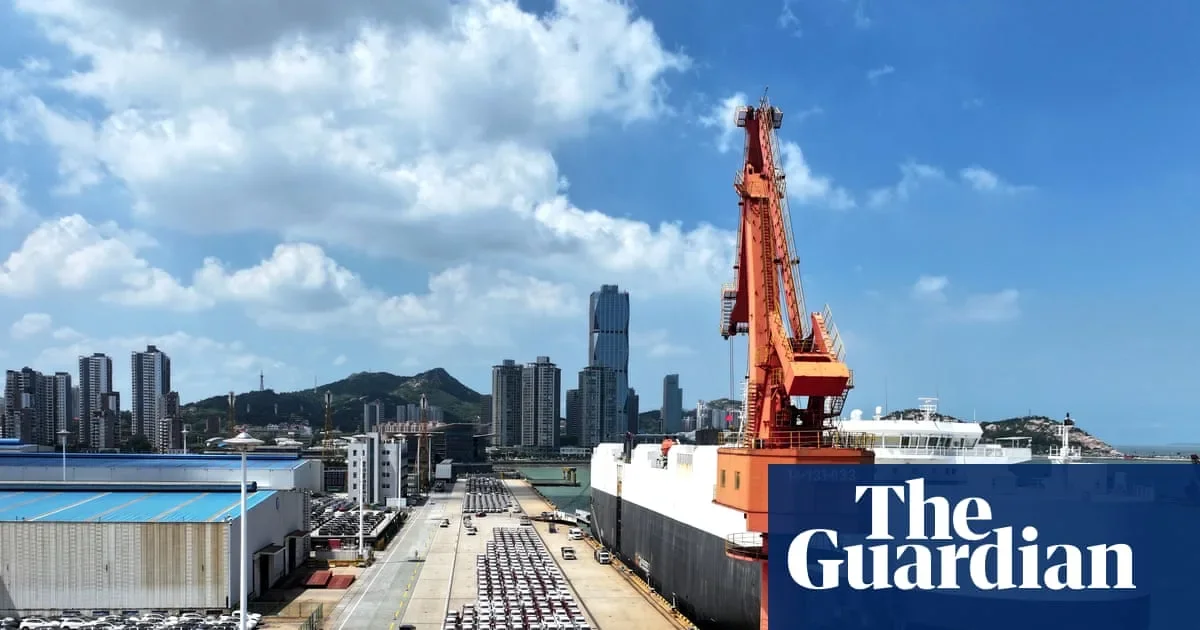
In a sharp escalation of diplomatic rhetoric, Beijing has officially denounced the United States' recent threats to impose secondary sanctions on entities trading with Iran. The Chinese Ministry of Foreign Affairs stated on Tuesday that it would take "all necessary measures" to safeguard its national interests and the legitimate rights of its companies. This defiance comes as Washington attempts to tighten the noose around Tehran’s primary revenue streams, specifically targeting the energy trade that has seen China purchase nearly 80% of Iran’s total oil exports in recent months.
Beijing’s stance is not merely rhetorical; it reflects a deep-seated strategic alignment that has historically ignored unilateral US measures. By labeling the proposed sanctions as "illegal" and "coercive," China is signaling to the global community that it will not allow its energy security to be dictated by American foreign policy. This development is critical for the Iranian economy, as any significant disruption in the Beijing-Tehran oil corridor would have immediate and devastating effects on the country’s fiscal stability. However, the market currently views China’s pushback as a sign that the status quo of oil flows is likely to persist despite the looming 'Economic D-Day' threats.

Oil Markets and Toman Defy 'Economic D-Day' Rhetoric
Despite the aggressive posturing from US Treasury nominee Scott Bessent regarding an "Economic D-Day" against Iran, global oil markets have reacted with surprising calm. On Tuesday, oil prices actually saw a slight decline as investors brushed aside the immediate threat of a supply shock. Traders appear to be betting that the logistical and political hurdles of implementing a total blockade on Iranian oil are too high, even for a determined US administration. This skepticism in the West has mirrored a cooling of panic in Tehran’s local markets, where the initial shock of the 'D-Day' announcement seems to be fading.
In the Tehran open market, the Iranian Toman showed unexpected strength today. The USD/IRR pair moved from 203,500 down to 201,000, representing a 1.2% appreciation for the local currency. Similarly, the gold market saw a significant correction; 18k gold per gram dropped from 22,103,975 to 21,676,901 Toman (-1.9%), and the Emami coin fell by 2.3% to 217,000,000 Toman. This suggests that the local market was perhaps overbought on fear, and the lack of immediate kinetic or economic escalation has allowed for a temporary relief rally in the Toman.
Trump’s Trade War and the Crypto Safety Valve
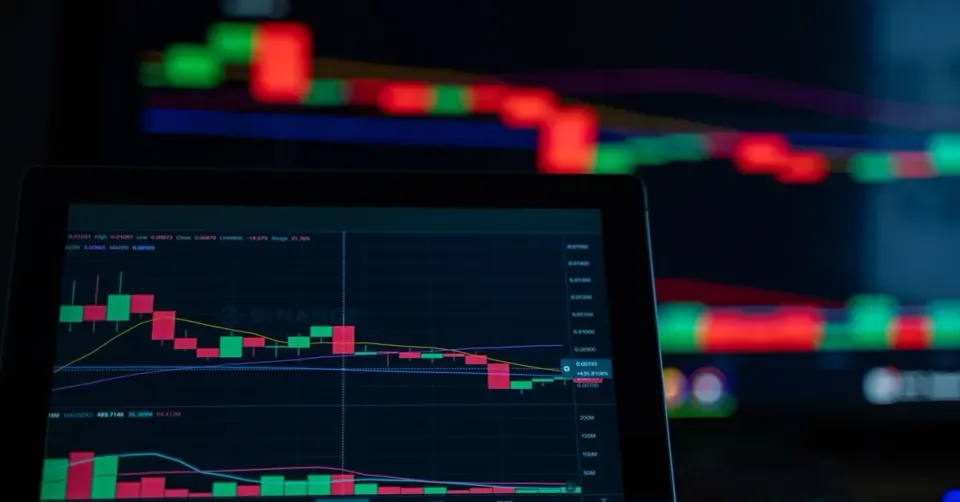
While the Middle East remains a flashpoint, Donald Trump has opened a new front in his global trade strategy, claiming that the US could rename Lake Ontario as "Lake America" amid a deepening trade dispute with Canada. While the comment carries his signature bravado, the underlying policy—a aggressive tariff regime against America's largest trading partners—is injecting massive volatility into global markets. This atmosphere of unpredictability is a primary driver behind the recent resilience of Bitcoin. Although BTC has retraced slightly to $78,690 after touching the $80,000 milestone earlier, it maintains a staggering 25% gain over the last seven days.
For Iranian investors, this global volatility makes the crypto market an essential, albeit risky, safety valve. The USDT price in Tehran currently sits at 200,980 Toman, closely tracking the free-market dollar but offering a liquid exit strategy for those fearing further domestic banking restrictions. As the US administration targets gold and crypto as part of its "financial offensive," the irony is that these very assets are becoming the preferred hedge for those looking to bypass the traditional financial system. The tightening of sanctions often results in a paradoxical surge in decentralized finance (DeFi) usage, as seen in recent liquidations on the Ethereum network where a $36 million move triggered massive shifts in collateral.

Internal Pressures: From Art to Social Scams
Beyond the high-stakes world of geopolitics and finance, internal social pressures are mounting in both China and the broader region. In China, the sentencing of artist Gao Zhen to three years in prison for "slandering heroes" highlights a tightening of domestic dissent just as the country faces external pressure from the US. This internal crackdown suggests that Beijing is prioritizing ideological purity and social control as it prepares for a protracted economic battle with the West. For observers of the Iran-China relationship, this internal rigidity is a reminder that China’s support for Tehran is purely pragmatic and state-driven, rather than based on shared democratic values.
Meanwhile, in the wider region, reports of a massive wedding scam in India—where dozens of grooms were defrauded in a non-existent mass wedding—serve as a grim reminder of the social desperation that economic instability can breed. These stories, while seemingly disconnected from oil prices, reflect the underlying human cost of high inflation and limited economic opportunity across the Global South. As markets fluctuate between 'D-Day' threats and diplomatic stalemates, the average citizen remains caught in a cycle of speculative bubbles and administrative failures, whether in the marriage markets of India or the gold shops of Tehran.
Watch
Economic “D-Day” for Iran; Why Vigilantes are Vandalizing Flock Cameras | Aug. 24
NBC News
Frequently Asked Questions
Why did the Toman strengthen despite the 'Economic D-Day' threats from the US?
How significant is China's purchase of 80% of Iranian oil?
Is Bitcoin's current price of $78,690 a sign of a crash after the $80k touch?
Understanding Secondary Sanctions: The Far Reach of Economic Power
Secondary sanctions are a potent tool in international relations, distinct from primary sanctions. While primary sanctions target a specific country or entity directly, secondary sanctions aim to penalize third-party individuals, companies, or countries for engaging in specific transactions or relationships with the primary sanctioned entity. Essentially, they extend the reach of a sanctioning country's laws beyond its own borders, compelling other nations to comply with its foreign policy objectives or face penalties themselves.
The mechanism behind secondary sanctions often involves the threat of losing access to the sanctioning country's financial system, its markets, or its currency (like the US dollar). For instance, if a country like the United States imposes secondary sanctions on Iran, it might threaten to cut off any non-US bank or company from the US financial system if they continue to facilitate oil trade with Iran. This leverage is immense given the global dominance of the US dollar and its financial infrastructure. They are deployed when direct sanctions against a target country are deemed insufficient to achieve desired policy outcomes, aiming to isolate the target by forcing other nations to choose between doing business with the target or with the sanctioning power.
The application of secondary sanctions can have far-reaching implications, creating significant geopolitical friction. While effective in deterring many international actors from engaging with sanctioned entities, they can also incentivize the development of alternative financial mechanisms and trade routes that bypass the sanctioning country's influence, as seen with efforts to create non-dollar trade systems. Countries like China, for example, might continue trade with sanctioned nations like Iran, defying US pressure and potentially leading to complex diplomatic and economic standoffs. Such defiance can lead to currency fluctuations for the sanctioned country (like the Iranian Toman) as it seeks to find new buyers and sellers, sometimes resulting in unexpected appreciation if new, stable trade channels are established.