Nuclear Stocks Surge, Canada-US Trade War Escalates, Hormuz Crisis Boosts LNG Appeal
رشد سهام هستهای، تشدید جنگ تجاری کانادا-آمریکا، بحران هرمز جذابیت گاز مایع را افزایش میدهد
Nuclear energy stocks saw a significant rebound, with Uranium Energy jumping 6% amid an oversold bounce. Meanwhile, Canada retaliated against US tariffs with its own levies, escalating the trade war. The ongoing crisis in the Strait of Hormuz is also making a major LNG project in Tanzania more attractive.
At time of publishing
USD
199,900
Toman
Gold 18K
21.67M
Toman / gram
Bitcoin
$79,126
US Dollar
Tether
199,094
Toman
Nuclear Stocks Rebound on Oversold Bounce
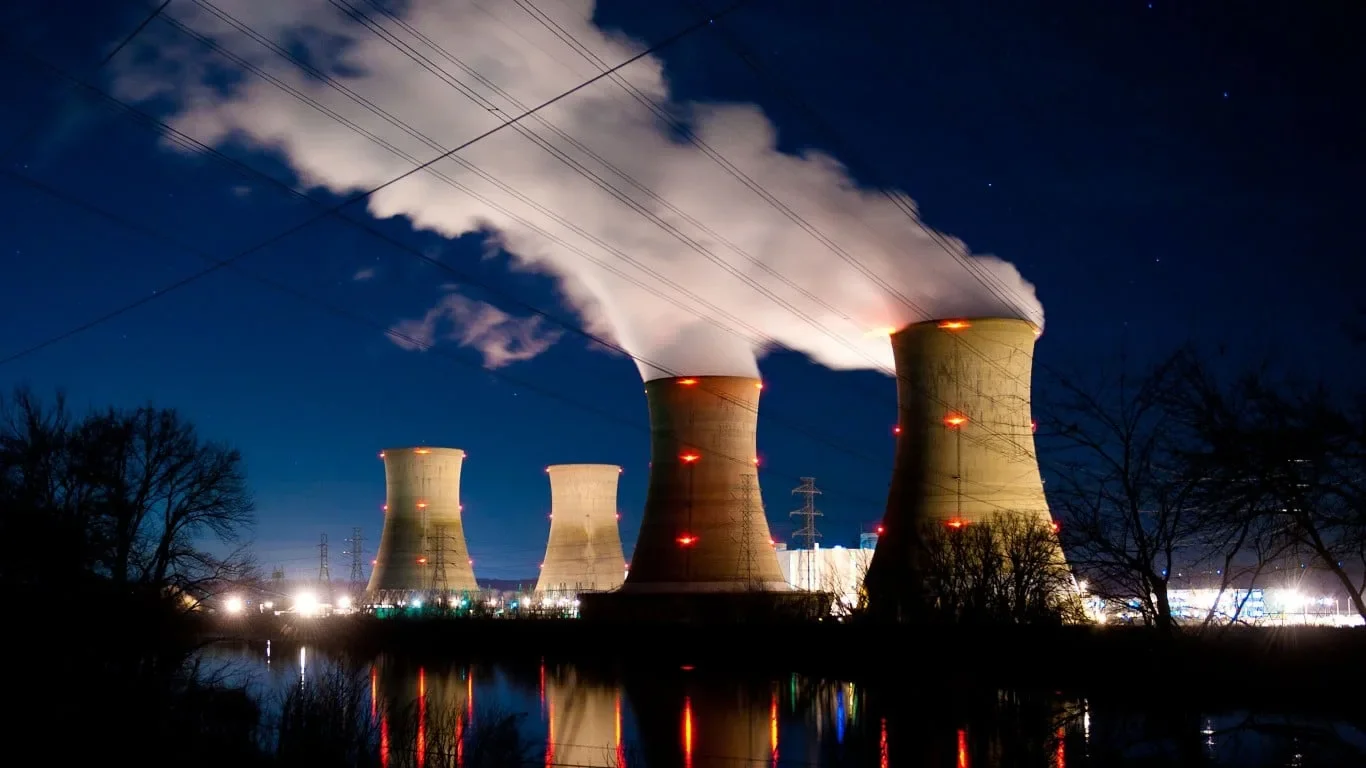
Stocks in the nuclear energy sector experienced a notable rebound today, driven by an oversold bounce after recent declines. Uranium Energy Corp. led the charge, surging 6%, while NuScale Power and Oklo also posted gains of around 5%. This movement suggests that investors are finding value in these companies after a period of selling pressure, potentially anticipating future growth in nuclear power as a clean energy alternative.
The renewed interest in nuclear energy stocks comes at a time when global discussions around energy security and climate change are intensifying. The sector, which faced significant headwinds in recent years, is now seeing increased attention from investors looking for long-term growth opportunities. The current geopolitical climate, which has highlighted vulnerabilities in traditional energy supplies, may also be a factor contributing to the sector's appeal. This rebound, while positive for these specific companies, reflects a broader sentiment shift towards sectors perceived as critical for future energy needs.

---
Canada Escalates Trade War with US Tariffs
Canada has announced retaliatory tariffs of up to 50% on hundreds of US goods, marking a significant escalation in the ongoing trade dispute with the United States. This move by the Canadian government is a direct response to tariffs previously imposed by the Trump administration, which Canada argues have harmed its workers, producers, and manufacturers. The new levies target a range of products, including aluminum foil, dishwashers, and fish, aiming to protect Canadian industries.
The situation has been further complicated by public statements from the US president, who has criticized Canada's negotiating stance. However, the Canadian government maintains that its actions are necessary to defend its economic interests and ensure fair trade practices. This tit-for-tat tariff exchange is likely to create further uncertainty in the North American market, potentially impacting supply chains and consumer prices on both sides of the border. Businesses will need to navigate these shifting trade dynamics carefully.

---
Hormuz Crisis Boosts Tanzania LNG Project Appeal
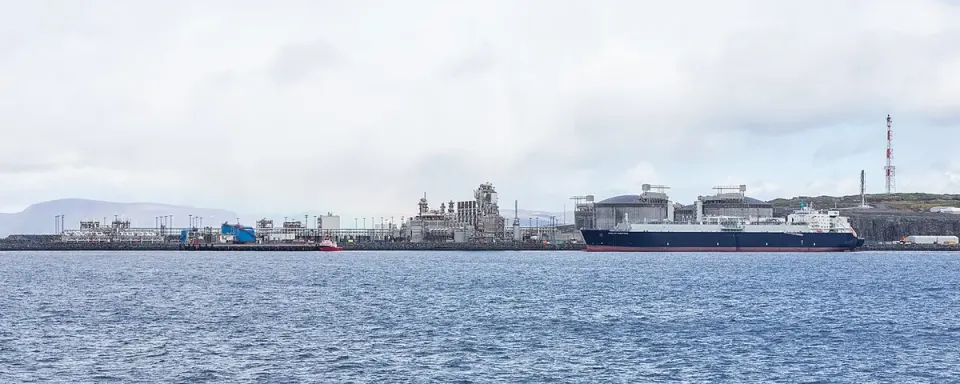
The ongoing crisis and heightened tensions in the Strait of Hormuz are unexpectedly boosting the appeal of a massive liquefied natural gas (LNG) project in Tanzania. Equinor, a major energy company involved in the project, has indicated that the disruptions to LNG supply through the Strait of Hormuz make their Tanzanian venture more attractive for development. This sentiment comes as the Middle East conflict has underscored the fragility of key global shipping lanes for energy resources.
Despite the increased strategic interest, the Tanzania LNG project, a collaboration between Equinor and Shell, has faced years of complex negotiations with the Tanzanian government. Progress has been slow, with the partners and authorities locked in discussions over various aspects of the development. The current global energy landscape, however, may provide renewed impetus to overcome these hurdles and accelerate the project's advancement, as nations seek to diversify their energy sources and secure stable supplies away from volatile regions. The potential for a more robust project execution is now on the table.
Frequently Asked Questions
Why are nuclear stocks seeing a rebound?
What is the impact of Canada's new tariffs on the US?
How is the Hormuz crisis affecting the Tanzania LNG project?
What is the current status of US-Canada trade relations?
Are there any significant developments in the crypto market today?
Understanding Energy Security in a Volatile World
In an increasingly interconnected yet unpredictable global landscape, the concept of Energy Security has become paramount. At its core, energy security refers to the uninterrupted availability of energy sources at an affordable price. It's a multifaceted challenge involving factors like geopolitical stability, economic resilience, environmental sustainability, and the physical infrastructure required to produce and deliver energy. For nations, ensuring energy security means safeguarding their economies and national interests against supply disruptions, price volatility, and external pressures.
The recent headlines vividly illustrate the critical importance of energy security. The mention of the "Hormuz Crisis" immediately brings to light the vulnerability of global energy supplies. The Strait of Hormuz is a vital maritime choke point through which a significant portion of the world's oil and liquefied natural gas (LNG) passes. Any disruption there, whether due to geopolitical tensions or conflict, can send shockwaves through global markets, driving up prices and threatening the energy supplies of importing nations. This highlights the need for diverse supply routes and sources to mitigate such risks.
In response to these vulnerabilities, countries actively pursue strategies to enhance their energy security. The "Boosts LNG Appeal" in the headline points to one such strategy: diversifying energy imports. LNG, transported by sea, offers flexibility compared to pipeline gas, allowing buyers to source from various global producers like Tanzania. Similarly, the surge in "nuclear stocks" and the mention of "Uranium Energy" reflect a renewed interest in nuclear power. Nuclear energy provides a stable, low-carbon baseload power source that reduces reliance on imported fossil fuels, thereby bolstering a nation's self-sufficiency and resilience against external energy shocks.
Even trade disputes, like the "Canada-US Trade War," can indirectly impact energy security by disrupting supply chains for energy infrastructure components or by affecting the flow of energy resources between trading partners. Ultimately, energy security is not just about having enough fuel; it's about strategic foresight, robust infrastructure, diverse energy portfolios, and resilient international relations that ensure a stable and prosperous future.