Canada Slaps 50% Tariffs on US Goods; Toman Recovers as Tehran Braces for 'Economic D-Day'
پاسخ تند کانادا به آمریکا با تعرفههای ۵۰ درصدی؛ آرامش نسبی در بازار ارز و طلای تهران
Canada has officially retaliated against US trade policies with a massive tariff package on over 700 products, shaking global markets. Meanwhile, the Iranian Toman shows a surprising 1.4% recovery today even as regional tensions and 'Economic D-Day' rhetoric dominate the headlines.
At time of publishing
USD
200,600
Toman
Gold 18K
21.63M
Toman / gram
Bitcoin
$79,263
US Dollar
Tether
200,584.353
Toman
Canada Ignites 'Dollar-for-Dollar' Trade War with Washington
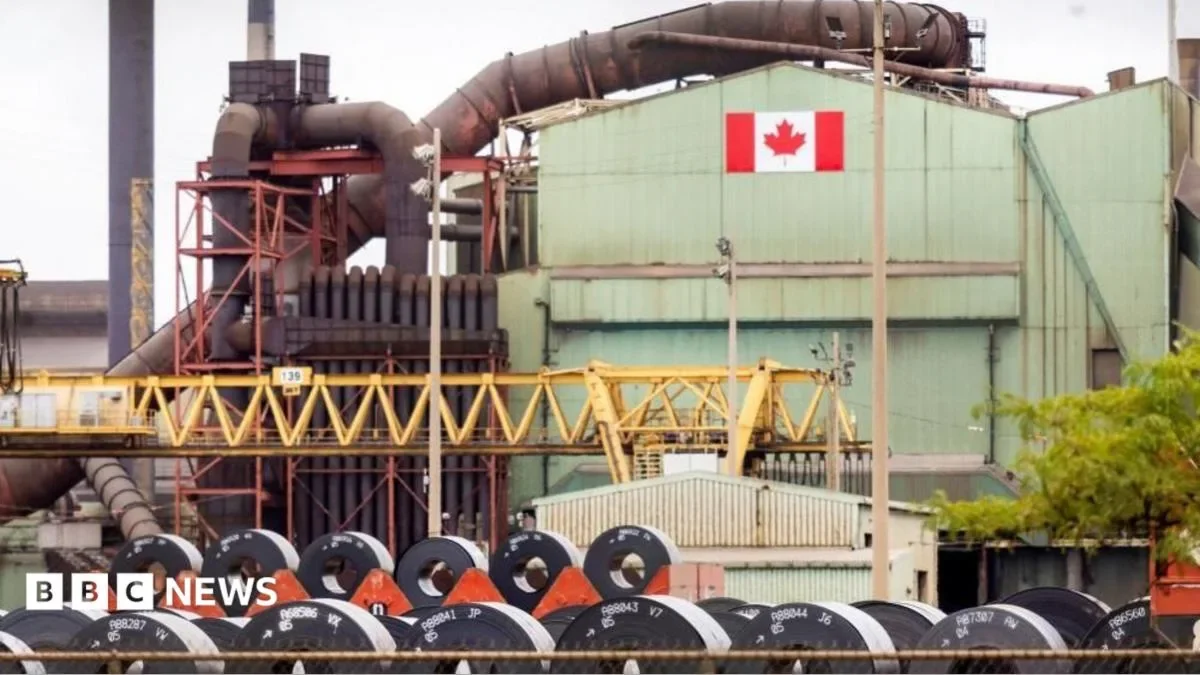
In a dramatic escalation of North American trade tensions, Canada has officially announced a sweeping package of retaliatory tariffs against the United States, targeting more than 700 products. The move, described by Ottawa as a "dollar-for-dollar" response to recent US protectionist measures, imposes levies as high as 50% on a wide range of goods, including steel, furniture, fresh tuna, and even cosmetics. This decision follows the total collapse of trade negotiations between the two neighbors, signaling a deep rift in what has traditionally been the world’s most stable trading relationship.
The economic fallout is expected to be immediate and significant, with the Canadian government estimating the impact at roughly $19.9 billion. For global markets, this represents a new layer of volatility at a time when supply chains are already strained by geopolitical conflicts elsewhere. Investors are closely watching how the Trump administration will respond, as any further escalation could lead to a full-blown trade war that drags down North American GDP growth and forces central banks to reconsider their interest rate paths.

Tehran Markets Breathe as Toman Gains Ground Despite Sanctions Pressure
Despite the looming threat of the so-called "Economic D-Day"—a coordinated US effort to choke off Iran's remaining oil and crypto revenue—the Tehran market saw a notable cooling period today. The US Dollar (USD) sell rate moved from 203,500 to 200,600 Toman, marking a 1.4% decrease in 24 hours. This correction was even more pronounced in the gold sector, where the Emami coin dropped from 222,000,000 to 215,000,000 Toman, a significant 3.2% decline. This downward movement suggests that the market may have already priced in the worst of the sanctions rhetoric, or that local demand has temporarily hit a ceiling.
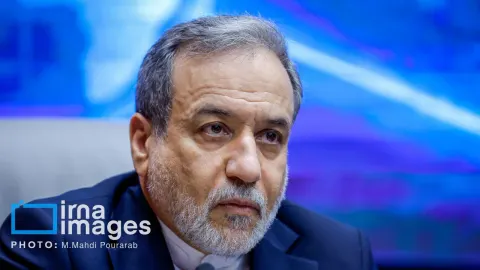
However, the underlying fundamentals remains precarious. While President Masoud Pezeshkian continues to emphasize "Islamic unity" as a pillar for regional stability, the reality on the ground is shaped by intensifying US maritime blockades in the Gulf of Oman. Analysts note that while the Toman is gaining today, the long-term outlook depends heavily on whether Iran can maintain its clandestine oil exports to China, which have reportedly slumped to just 0.3 million barrels per day in August compared to earlier averages. The current price dip might be a "breather" for consumers, but the structural inflation risks have not dissipated.

Global Unrest: From India’s Student Protests to the End of a Country Era
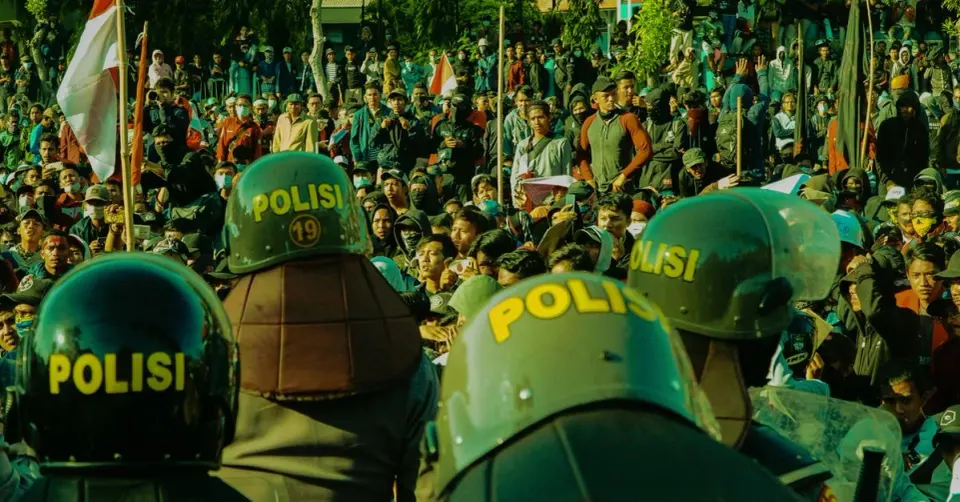
Beyond the financial markets, the world is grappling with significant social and cultural shifts. In India, the "Summer of Youth Protests" has reached a boiling point, particularly in the state of Bihar, where police have deployed water cannons to disperse members of the "Cockroach" student movement. These protests, centered on economic opportunities and government transparency, threaten to destabilize the political landscape in New Delhi as organizers vow to bring their grievances directly to the capital's streets. This unrest highlights a growing global trend of youth-led movements challenging established economic orders.
Simultaneously, the United States is mourning the loss of a cultural icon. Dolly Parton, the legendary singer-songwriter and philanthropist, has passed away at the age of 80. While seemingly unrelated to hard geopolitics, Parton’s death marks the end of an era for American soft power. Her massive investments in child literacy and her pivotal role in funding Covid-19 vaccine development made her a figure of rare bipartisan and international respect. In a world increasingly defined by trade wars and sanctions, the loss of such a unifying figure is being felt across the globe, reminding markets that national stability is often built on more than just balance sheets.
Bitcoin Eyes $83,000 as 'Bull Phase' Indicators Flash Green
In the digital asset space, Bitcoin (BTC) is currently trading at $79,263, hovering just below the psychological milestone of $80,000. According to the latest data from CryptoQuant, the premier cryptocurrency has entered the "initial phase" of a new bull market, supported by a 24% rally over the past few weeks. However, the path forward is not without hurdles; analysts warn that $83,000 remains a critical resistance level. If Bitcoin fails to break this ceiling, a wave of profit-taking could trigger a short-term correction toward the $75,000 support zone.
The broader crypto ecosystem is also showing signs of maturity, with Solana (SOL) hitting a record 4.2 billion transactions as tokenized real-world assets gain traction. For Iranian investors, who often use Tether (USDT) as a hedge against Toman volatility, the stability of Bitcoin near $80,000 provides a sense of security, even as the US Treasury targets crypto-based oil payments. The interplay between traditional capital markets and Bitcoin’s price remains the key narrative to watch as we head into the final quarter of the year.
Frequently Asked Questions
Why is the Toman gaining value despite 'Economic D-Day' threats?
What products are affected by Canada's new 50% tariffs?
Is Bitcoin expected to break $80,000 tonight?
Understanding Economic Sanctions: Tools of Geopolitical Pressure
Economic sanctions are powerful tools of foreign policy, often employed by one or more countries against another to achieve specific geopolitical or economic objectives. These measures are designed to inflict economic pain on the target state, compelling it to alter its behavior, such as ceasing nuclear proliferation, respecting human rights, or ending military aggression. Sanctions can take various forms, including trade embargoes, financial restrictions, asset freezes, travel bans, and restrictions on access to international banking systems or specific technologies. Unlike military intervention, they represent a non-kinetic form of coercion, aiming to exert pressure through economic means.
The primary mechanism of economic sanctions is to disrupt the target country's ability to engage in international trade and finance. By limiting exports, imports, foreign investment, and access to global capital markets, sanctions can severely impact a nation's economy. This often leads to reduced revenues, currency depreciation, inflation, shortages of essential goods, and a decline in living standards for ordinary citizens. The goal is to make the cost of maintaining the undesirable behavior prohibitively high, thereby forcing a policy change. The headline's mention of Canada's tariffs on US goods, for instance, illustrates a form of economic pressure, albeit typically less comprehensive than broader sanctions.
However, the effectiveness of economic sanctions is a subject of ongoing debate and varies widely. While they can sometimes achieve their intended goals, they often come with significant unintended consequences. Sanctions can inadvertently strengthen authoritarian regimes by creating a siege mentality, foster illicit trade and black markets, or prompt the sanctioned country to seek alternative alliances and develop domestic capabilities, making it more resilient to future pressure. The "Toman recovers" in the headline, despite Iran bracing for an "Economic D-Day," hints at the complex dynamics where economies can adapt, find workarounds, or experience temporary recoveries due to other market forces, even under severe pressure. Understanding these complexities is crucial for evaluating their real-world impact.