UK Energy Bills Surge as Iran-Oman Talks Spark Hope for Hormuz Shipping Corridor
بحران انرژی در بریتانیا و روزنه امید در هرمز؛ مذاکرات ایران و عمان قیمت نفت را کاهش داد
British households face their highest energy bills in three years as the conflict with Iran continues to strain global supply chains. Meanwhile, surprise talks between Tehran and Muscat regarding a temporary navigational corridor in the Strait of Hormuz have sent oil prices lower as traders weigh a potential de-escalation.
At time of publishing
USD
200,500
Toman
Gold 18K
21.27M
Toman / gram
Bitcoin
$78,873
US Dollar
Tether
196,966
Toman
The British Energy Crisis and the Shadow of War
Millions of households across Great Britain are bracing for a difficult winter as energy regulator Ofgem announced a 4% increase in the price cap starting this October. This adjustment follows a significant 13% jump in July, pushing the average annual household bill to approximately £1,723. The root cause of this spike is not domestic, but rather the ongoing geopolitical volatility involving Iran, which has sent shockwaves through global gas and electricity markets. Analysts suggest that the persistent threat to energy security in the Middle East is now directly translating into higher living costs for Western consumers, forcing governments to face difficult questions about political honesty and long-term energy resilience.
The situation in the UK is becoming a focal point for political debate, with the Labour government facing calls for increased support for vulnerable families. As global energy prices remain tethered to the stability of the Persian Gulf, the domestic economic landscape in Britain is increasingly sensitive to every diplomatic ripple in Tehran. This underscores a broader trend where regional conflicts are no longer localized issues but are immediate drivers of inflation and fiscal policy in distant capitals, complicating the global recovery from previous economic shocks.

The Hormuz Paradox: Diplomacy vs. Economic Asphyxiation
In a surprising turn of events, oil prices dipped earlier today following reports that Iran and Oman have renewed discussions regarding the joint management of the Strait of Hormuz. The talks specifically focus on creating a "joint temporary navigational corridor" and clearing the waterway of mines. This news offered a brief reprieve to the energy markets, with Brent crude falling to $86.69 per barrel and West Texas Intermediate (WTI) sliding to $80.61. Traders are cautiously optimistic that these talks could lead to a partial reopening of the world’s most vital oil transit point, which has been largely paralyzed by the current conflict.
However, the diplomatic outreach comes amid a fierce internal debate within Iran. While some officials view the closure of the Strait as the "pillar of a new security order," others warn that its strategic value is rapidly eroding. As neighboring Gulf states accelerate plans for alternative pipelines to bypass the waterway, Iran faces a paradox: the more it uses the Strait as a geopolitical weapon, the faster its neighbors and customers seek ways to make that weapon obsolete. This erosion of leverage is particularly concerning for Tehran as US Treasury Secretary Scott Bessent doubles down on threats of "economic asphyxiation" through intensified sanctions, leaving Iran with diminishing options for foreign exchange reserves.
---
Market Realities: Tehran’s Resilience and Global Cooling
On the ground in Tehran, the currency market remains in a state of high-tension stability. The US Dollar (USD) is currently trading at a sell rate of 200,500 Toman, showing no change (0.0%) over the last 24 hours. Despite the aggressive rhetoric from Washington, the local market seems to have priced in the current level of sanctions for the moment. However, the gold market is showing more movement; 18-karat gold fell from 21,630,730 to 21,272,911 Toman, a decrease of 1.7%. This decline mirrors the cooling of global gold prices as oil-driven inflation fears slightly subsided following the Iran-Oman news.
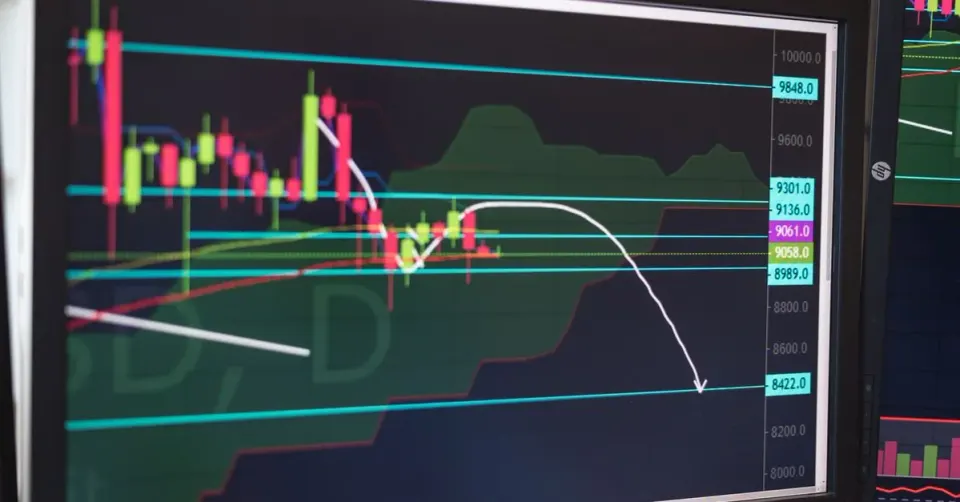
In the cryptocurrency sector, Bitcoin (BTC) has experienced a slight pullback, falling to $78,873 as the recent rebound rally cools ahead of upcoming US inflation data. The market's "greed gauge" recently hit its highest level since the massive wipeout in October, suggesting that traders may be over-leveraged and vulnerable to a sharp correction. For Iranian investors, the combination of a steady Dollar and fluctuating gold and crypto prices presents a complex environment for capital preservation, especially as the threat of further banking sanctions looms over the domestic financial sector.
Frequently Asked Questions
Why is the UK energy price cap rising again in October 2026?
What is the 'temporary navigational corridor' being discussed by Iran and Oman?
How did the Tehran gold market react to the recent geopolitical news?
Why the Strait of Hormuz Matters: A Global Energy Chokepoint
The Strait of Hormuz is one of the world’s most critical strategic chokepoints – a narrow maritime passage that funnels a disproportionate share of global trade. Stretching only about 21 miles (34 km) at its narrowest point, it connects the Persian Gulf with the Gulf of Oman and the open Indian Ocean. Roughly 20‑30% of the world’s oil and a sizable share of liquefied natural gas (LNG) transit this corridor every day, making any disruption instantly felt in global energy markets.
Geopolitically, the strait sits between Iran and the United Arab Emirates, with Oman bordering its southern mouth. Recent Iran‑Oman talks have explored the creation of a jointly‑managed “Hormuz Shipping Corridor” that could formalise traffic rules, improve safety, and potentially reduce the risk of accidental closures. Such diplomatic moves matter because even the threat of a shutdown has historically spiked benchmark prices like Brent crude, as traders price in the possibility of supply shortages.
From an economic standpoint, the strait’s vulnerability feeds directly into price volatility. When the corridor is perceived as unstable, oil‑importing nations may see their energy price caps—such as the UK’s consumer‑focused ceiling—tested by higher wholesale costs. Higher crude prices ripple through to gasoline, electricity, and even unrelated commodities (gold, Bitcoin) as investors rebalance portfolios in response to inflationary pressure. Understanding the chokepoint helps explain why policymakers watch diplomatic developments in Tehran and Muscat so closely.
Finally, the Hormuz corridor illustrates a broader lesson about global supply chain resilience. While alternative routes—like the longer route around the Cape of Good Hope or pipelines bypassing the Gulf—exist, they are costlier and slower. Nations therefore invest in naval patrols, diplomatic de‑confliction, and diversified energy sources to mitigate the risk of a single geographic pinch point dictating world prices.