Iran Blacklists 45 Tankers as Bitcoin Teeters at $79K; Tehran Honors ‘Martyred’ Students
لیست سیاه نفتکشهای ایران و نوسان بیتکوین در مرز ۷۹ هزار دلار؛ یادبود دانشآموزان در مسابقات شمشیربازی
Tehran has issued a 45-vessel blacklist for the Strait of Hormuz, raising energy risks, while Bitcoin consolidates after a parabolic run. Meanwhile, domestic focus shifts to a symbolic fencing tournament honoring students killed in earlier 2026 attacks.
At time of publishing
USD
200,000
Toman
Gold 18K
21.30M
Toman / gram
Bitcoin
$78,961
US Dollar
Tether
198,850
Toman
Symbolic Defiance: Fencing Championships Honor Fallen Students
The individual foil events of Iran’s junior fencing championships concluded in Tehran on August 25, 2026, serving as both a sporting milestone and a heavy political statement. This year’s competition was pointedly dedicated to the memory of the students from the Shajareh Tayyebeh school in Minab. These children lost their lives on February 28, 2026, in an attack that Iranian officials have attributed to a joint US-Israeli operation. By naming the tournament after these "martyred" students, the sports establishment in Iran continues its long-standing tradition of weaving ideological narratives into national athletic events, reinforcing a sense of collective grievance and resistance.
For the Iranian public, such events are rarely just about the sport; they act as a barometer for the state's current geopolitical posture. The high-profile coverage of these championships by state media like IRNA suggests a continued effort to keep the memory of the February attacks alive in the public consciousness, especially as tensions with Western powers remain at a fever pitch. While the fencing matches themselves showcased the next generation of Iranian talent, the backdrop of the Shajareh Tayyebeh tragedy ensures that the narrative remains focused on the perceived external threats facing the nation.

Energy Risks Rise as Iran Blacklists 45 Tankers
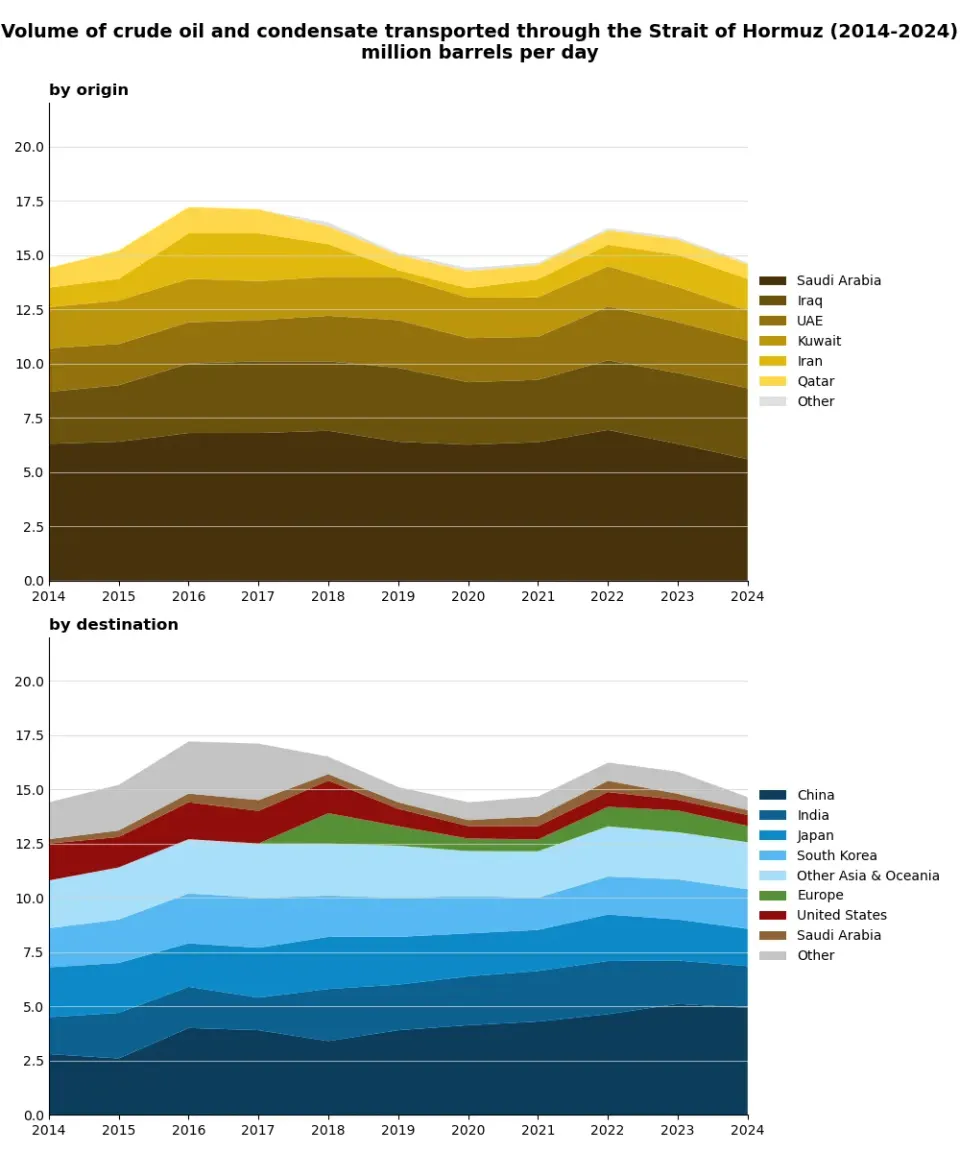
In a move that has sent ripples through the global energy market, Tehran has officially blacklisted 45 oil tankers, accusing them of violating transit rules in the Strait of Hormuz. This escalation is a direct response to the intensifying secondary sanctions imposed by the United States. Major international players, including three prominent Indian refining companies and at least one global energy major, have reportedly halted the use of these vessels to avoid being caught in the crossfire of US-Iran economic warfare. The blacklist creates a logistical nightmare for crude transport, as these ships are effectively barred from one of the world's most critical maritime chokepoints.
This development is more than just a regulatory hurdle; it is a strategic maneuver by Iran to demonstrate its leverage over global energy security. By targeting specific vessels, Tehran is signaling that it can selectively disrupt the flow of oil without a total blockade, which would likely trigger a massive military response. For the global economy, this means higher insurance premiums for shipping, longer transit times as companies seek alternative routes or vessels, and a persistent "risk premium" on the price of Brent crude. Traders are now watching closely to see if Iran will take physical action against any of the blacklisted ships attempting to traverse the waterway.
Bitcoin Consolidates at $79K Amid High-Leverage Risks
Bitcoin is currently trading at $78,961, showing a slight cooling-off period after a massive rally that nearly broke the psychological $80,000 barrier. While the price remains historically high, the underlying market data suggests a growing sense of "greed" among traders. The Crypto Fear & Greed Index has surged to 74, a level not seen since just before the catastrophic $19 billion wipeout in October of last year. This surge in optimism is often a contrarian indicator, suggesting that the market may be overextended and due for a sharp correction if the bullish momentum fails to break new ground.
What makes this consolidation phase particularly dangerous is the high level of leverage currently in the system. On major exchanges like Binance, the leverage ratio for assets like XRP and Bitcoin has hit yearly highs, with long positions significantly outnumbering shorts. This creates a "coiled spring" effect: if the price of Bitcoin drops even slightly, it could trigger a series of forced liquidations (margin calls), leading to a rapid, cascading price collapse. For Iranian investors holding crypto as a hedge against the Toman’s volatility, this current stability near $79,000 is a double-edged sword that requires extreme caution.
Global Inflation Fears: Australia’s Warning to Markets
Economic data from Australia has surprised global markets this morning, with July inflation figures coming in at 3.5%. While this is a slight decrease from the previous month's 3.8%, it is significantly higher than what analysts and the Reserve Bank of Australia (RBA) had expected. The persistence of high prices in the Australian economy is being viewed as a canary in the coal mine for other developed nations. It suggests that the "last mile" of bringing inflation down to the 2% target range is proving to be much more difficult than central bankers anticipated, potentially requiring even higher interest rates.
For the broader global economy, the Australian data reinforces the "higher for longer" interest rate narrative. If central banks are forced to hike rates again, or even just delay cuts, it will keep the US Dollar strong and put continued pressure on emerging market currencies, including the Iranian Toman. Currently, the USD in Tehran is selling for 200,000 Toman, down slightly from 200,500 (-0.2%) over the last 24 hours. However, if global liquidity tightens further due to persistent inflation, the downward pressure on the Toman could resume as investors flock back to the safety of the greenback.
Frequently Asked Questions
Why did Iran blacklist 45 oil tankers?
What is the risk of Bitcoin trading near $79,000 right now?
How does Australian inflation affect the Iranian Toman?
Understanding Secondary Sanctions: A Tool of Economic Coercion
When headlines mention countries blacklisting tankers or facing severe currency devaluation, a key concept often at play is secondary sanctions. Unlike primary sanctions, which directly prohibit a country's own citizens and entities from engaging in transactions with a target country, secondary sanctions take this a step further. They target third-party individuals, companies, or even entire countries that conduct specific transactions with the primary sanctioned entity, even if those third parties are not directly under the sanctioning country's jurisdiction.
The mechanism of secondary sanctions is designed to exert broad economic pressure. For instance, if Country A imposes secondary sanctions on any entity buying oil from Country B, then companies in Country C (which may have no direct dispute with Country B) face a difficult choice: either stop buying oil from Country B and avoid penalties from Country A, or continue trade with Country B and risk being cut off from Country A's financial system and markets. This extraterritorial reach forces international actors to comply with the sanctioning country's policy objectives, effectively isolating the primary target from global commerce.
The impact of secondary sanctions can be profound. For the targeted country, like Iran in many scenarios, it severely restricts its ability to conduct international trade, particularly in crucial sectors like oil exports. This leads to reduced foreign currency earnings, putting immense pressure on its domestic currency (like the USD/IRR exchange rate), fueling inflation, and hindering economic growth. The blacklisting of tankers, as mentioned in the headline, is a direct consequence, as it becomes increasingly difficult for Iran to find partners willing to transport its goods without fear of reprisal.
Beyond the immediate economic consequences, secondary sanctions also carry significant geopolitical implications. They can strain diplomatic relations between the sanctioning country and third-party nations that resent the extraterritorial application of foreign law. However, they remain a powerful, albeit controversial, tool in international relations, used to achieve foreign policy goals by leveraging economic interdependence.