Qatar LNG Exports Collapse 96% Amid Hormuz Crisis; Canada Hits US With $20B Tariffs
سقوط ۹۶ درصدی صادرات گاز قطر در پی بحران هرمز؛ آغاز جنگ تعرفهای ۲۰ میلیارد دلاری کانادا علیه آمریکا
Qatar has lost $24 billion in sales as LNG exports through the Strait of Hormuz nearly vanished over the last six months. Meanwhile, trade tensions escalate as Canada imposes massive retaliatory tariffs on US goods, and Bitcoin struggles to reclaim the $80,000 level.
At time of publishing
USD
199,300
Toman
Gold 18K
21.61M
Toman / gram
Bitcoin
$78,602
US Dollar
Tether
199,268.511
Toman
Qatar’s Energy Empire Reels Under Hormuz Blockade
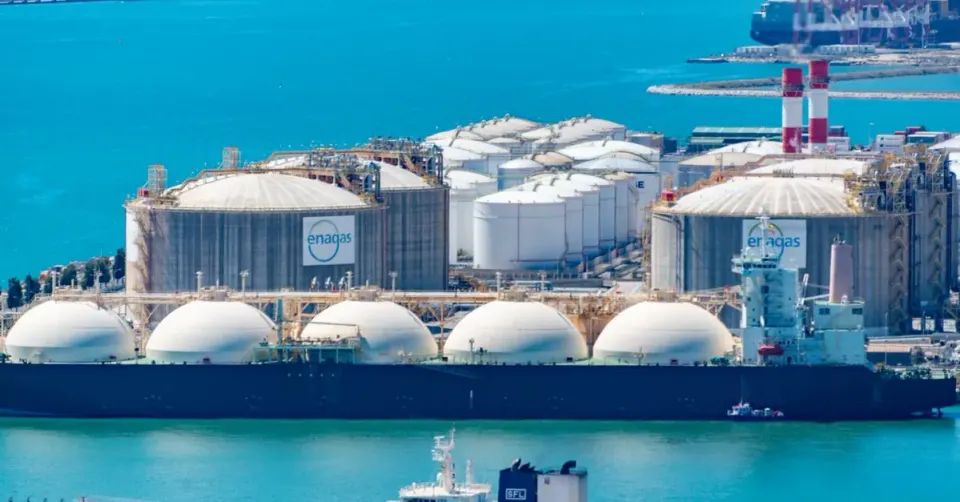
The global energy landscape has reached a critical tipping point as Qatar, the world’s second-largest liquefied natural gas (LNG) exporter, reported a staggering 96% collapse in exports over the last six months. According to recent calculations, the paralysis of the Strait of Hormuz has resulted in a $24 billion loss for Doha. Data from ICIS reveals that only 18 LNG cargoes managed to leave Qatari ports during this period, a haunting contrast to the 509 cargoes shipped during the same timeframe last year. This collapse isn't just a local financial disaster; it represents a massive hole in the global energy supply chain that was previously filled by Qatari gas.
For the global economy, this supply vacuum means sustained upward pressure on energy prices in Europe and Asia, which were heavily dependent on these shipments. While some progress in Iran-Oman talks regarding a temporary shipping lane has provided a slight reprieve for oil prices today, the structural damage to Qatar's export capacity remains severe. The inability to safely navigate the world's most vital maritime chokepoint has forced energy markets to rethink long-term logistics, potentially shifting the geopolitical center of gravity toward North American and African suppliers who are not constrained by the current regional volatility.
Trade War Escalates: Canada Strikes Back at Washington
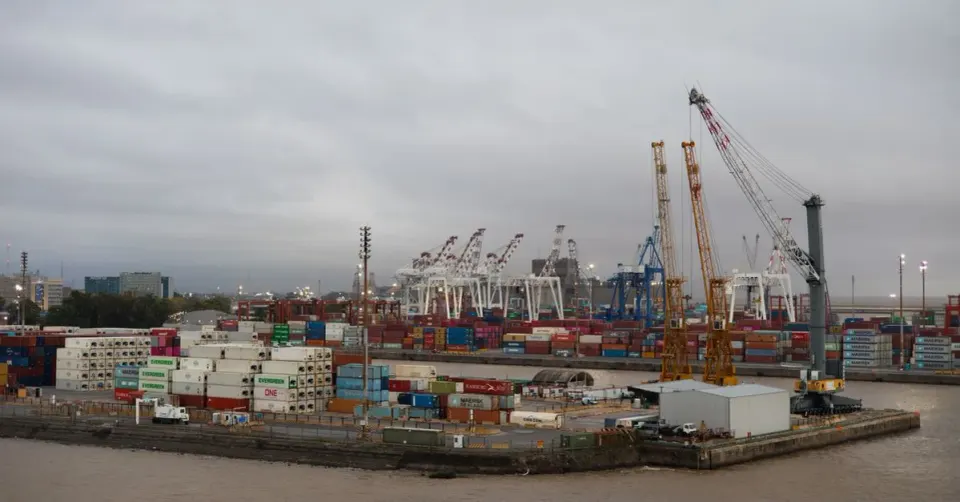
The long-standing trade alliance between the United States and Canada has fractured further as Ottawa officially implemented retaliatory tariffs on approximately $20 billion worth of American goods. This move comes as a direct response to recent US protectionist policies, targeting a broad spectrum of industries including steel, dairy, household appliances, and agricultural equipment. The Trudeau administration characterized the move as a necessary defense of Canadian industry, signaling that the era of quiet diplomacy has been replaced by aggressive economic posturing. This escalation threatens to disrupt one of the world’s largest bilateral trading relationships, worth billions of dollars daily.
For consumers and businesses on both sides of the border, the immediate impact will be felt in rising costs for essential goods. The timing is particularly sensitive for the US administration, as these tariffs hit less than ten weeks before the pivotal midterm elections. Economists warn that a prolonged trade war will fuel inflationary pressures that central banks have been struggling to contain. As supply chains for everything from tractors to cheese are rerouted or taxed, the North American manufacturing sector faces a period of intense uncertainty that could dampen growth projections for the remainder of 2026.
Iran’s Economic Pivot Amid Mounting Pressures
In Tehran, President Masoud Pezeshkian has called for "full coordination" among the country’s economic institutions to maintain a semblance of stability. As external pressures mount, the government is intensifying its focus on the "Eastern Pivot," with Foreign Minister Abbas Araghchi stressing the urgency of the 25-year Comprehensive Cooperation Program with China. Simultaneously, Iranian Ambassador to Russia Kazem Jalali noted that relations with Moscow have gained significant momentum. These diplomatic maneuvers are clearly aimed at creating a financial and strategic buffer against Western-led isolation, though the domestic reality remains challenged by high inflation and currency volatility.
The Iranian Toman showed a slight strengthening in today's session, with the USD selling rate moving from 200,500 to 199,300, a decrease of 0.6%. While state media portrays this as a sign of successful policy intervention, the broader market remains cautious. The gap between official rhetoric of stability and the daily struggle of citizens with prices—such as the Emami coin currently trading at 214,000,000 Toman—highlights the fragility of the current economic environment. Investors are closely watching whether the proposed shipping lane with Oman can actually materialize into a consistent revenue stream to alleviate the foreign exchange crunch.
Bitcoin Stumbles at $80K as Gold Holds Steady
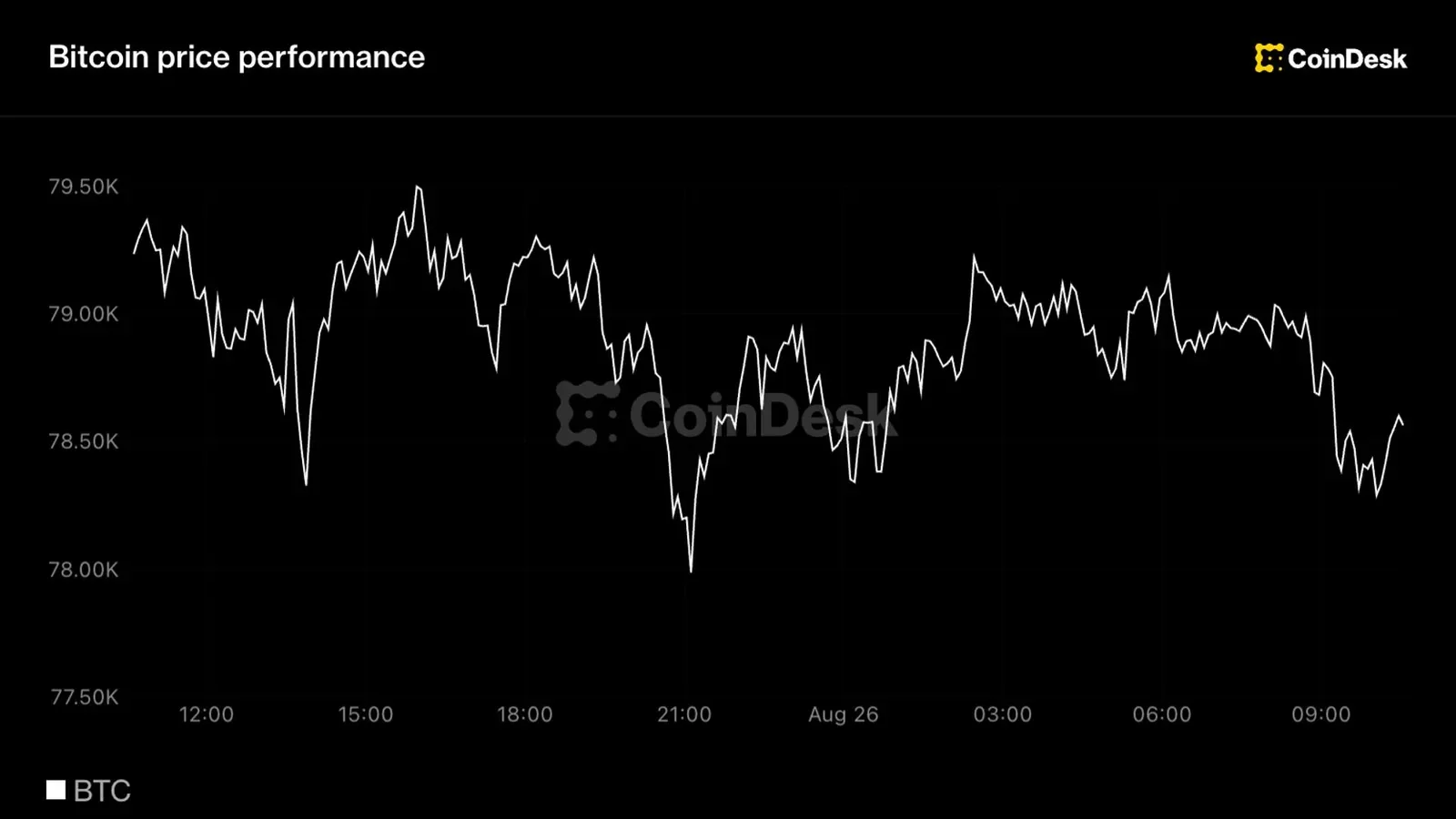
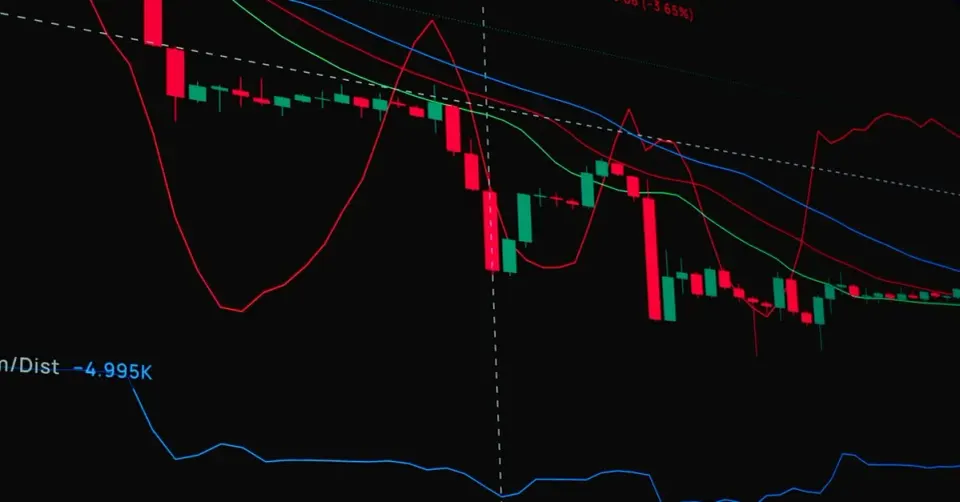
Bitcoin’s recent rally has hit a wall of resistance at the $80,000 mark. After a blistering 23% gain over the last seven days, the premier cryptocurrency fell back to $78,602 as investors moved to lock in profits. Analysts from Bernstein suggest that while the long-term "debasement trade" remains intact—with a target of $150,000 by mid-2027—the current market is grappling with supply absorption. The surge in ETF demand, which saw over $3 billion in inflows this August, provides a strong floor, but the failure to flip $80,000 into support suggests a period of consolidation may be necessary before the next leg up.
In the precious metals market, Gold continues to act as the ultimate hedge against geopolitical risk. The gold ounce is currently trading at $4,623.20, reflecting a world on edge. In the local Iranian market, 18k gold is priced at 21,607,645 Toman per gram, a slight 0.1% decrease from yesterday’s 21,630,730. Despite this minor daily dip, the long-term trend for gold remains bullish as investors seek safety from both the US-Canada trade war and the ongoing energy crisis in the Persian Gulf. The convergence of crypto volatility and gold’s steadiness defines the current bifurcated investment landscape.
Frequently Asked Questions
Why did Qatar's LNG exports collapse so drastically?
What products are affected by the new Canada-US tariffs?
Is the dip in USD/IRR to 199,300 a long-term trend?
The Vulnerable Lifelines: Understanding Global Energy Chokepoints
Global energy markets, and indeed the entire world economy, rely heavily on a network of critical maritime passages known as chokepoints. These are narrow straits or canals through which a significant volume of oil, natural gas, and other commodities must pass. While offering the most efficient and cost-effective routes for global trade, their very narrowness makes them inherently vulnerable to disruption. Any blockage, whether due to geopolitical tensions, military conflict, piracy, or even natural disaster, can have immediate and far-reaching consequences for global supply chains and energy security.
The Strait of Hormuz, separating Iran and Oman, stands as perhaps the most critical energy chokepoint in the world. It is the sole sea passage from the Persian Gulf to the open ocean, through which roughly one-fifth of the world's total oil consumption and a substantial portion of global liquefied natural gas (LNG) passes daily. For major energy producers like Qatar, whose LNG exports are vital to global energy supply, the Strait of Hormuz is an indispensable artery. A crisis in this region, as hinted by the hypothetical “Qatar LNG Exports Collapse” in the headline, could severely impact the availability and pricing of energy worldwide.
Disruptions at such chokepoints trigger a cascade of economic and strategic challenges. Energy prices typically spike due to supply uncertainty and increased shipping costs as vessels are forced to take longer, more expensive alternative routes, if available. For importing nations, this translates to higher costs for consumers and industries, potentially fueling inflation and hindering economic growth. For exporting nations, it can mean a drastic reduction in revenue, as their products cannot reach markets. Understanding the fragility of these chokepoints is crucial for comprehending the intricate dynamics of global energy security and the geopolitical risks that constantly loom over it.