Hormuz Breakthrough: Iran and Oman Agree on Temporary Shipping Lane as Oil Prices Dip
گشایش در تنگه هرمز؛ توافق ایران و عمان برای ایجاد مسیر کشتیرانی موقت و کاهش تنشها
Iran and Oman have announced a breakthrough agreement to establish a temporary shipping corridor and clear mines in the Strait of Hormuz, offering a glimmer of hope for global energy markets. Meanwhile, the financial sector sees a major leap as Taurus links institutional digital assets to the global Swift blockchain ledger.
At time of publishing
USD
200,100
Toman
Gold 18K
21.73M
Toman / gram
Bitcoin
$78,395
US Dollar
Tether
199,503
Toman
The Hormuz Breakthrough: A Temporary Solution to a Global Crisis
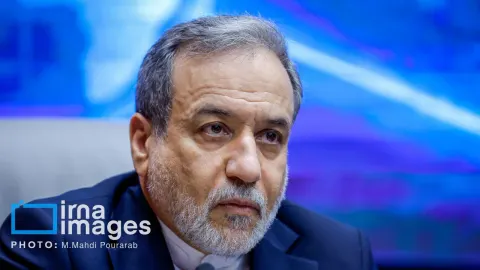
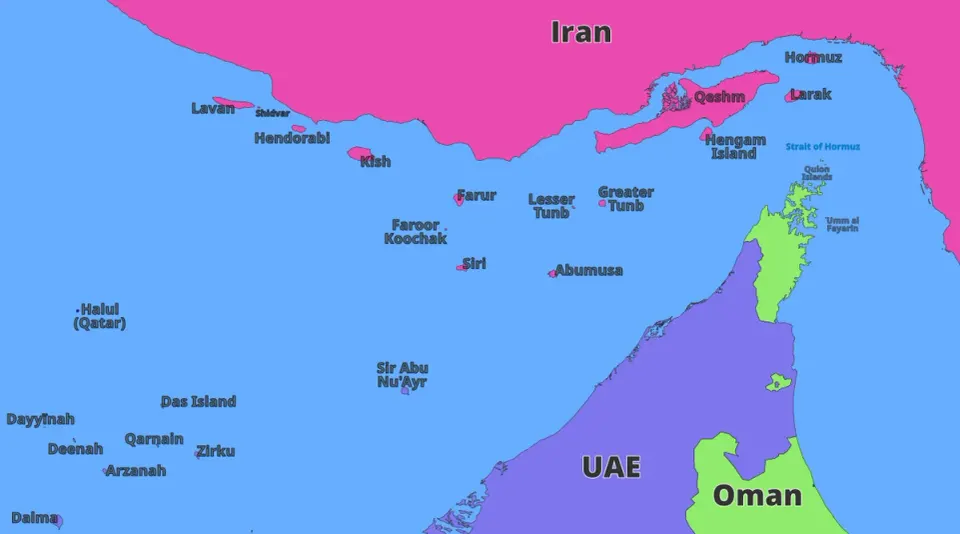
In a significant geopolitical development this Wednesday afternoon, officials from Iran and Oman have reported substantial progress in negotiations regarding the ongoing shipping crisis in the Strait of Hormuz. According to reports from the New York Times and Al Jazeera, the two nations have agreed to the creation of a temporary shipping lane designed to bypass the most volatile areas of the waterway. This agreement also includes a commitment to joint mine-clearing operations, a move aimed at restoring confidence for international tanker crews who have faced escalating risks in recent weeks. Iranian state media and officials have framed this as a diplomatic victory, though international observers remain cautious about the long-term sustainability of such a corridor given the underlying regional tensions.
The immediate impact of this announcement was felt in the global energy markets, where oil prices saw a noticeable dip as the threat of a total blockade appeared to recede. For the domestic Iranian market, the news has provided a much-needed psychological buffer. The US Dollar, which had been testing higher levels, saw a slight correction in the Tehran open market, moving from 200,500 to 200,100 Toman, a decrease of 0.2%. This suggests that local traders are cautiously pricing in a reduction in geopolitical risk, although the currency remains at historically elevated levels. If the temporary lane remains secure, it could ease the supply chain bottlenecks that have been driving up the cost of imported goods across the country.
Swift Moves Into the Future with Taurus Blockchain Integration
While the eyes of the world are on the Persian Gulf, a quiet revolution is taking place in the plumbing of the global financial system. Taurus, a leader in digital asset infrastructure, has officially linked its platform to Swift’s blockchain ledger. This is not merely a technical update; it represents a major milestone in the institutional adoption of Distributed Ledger Technology (DLT). By connecting to Swift, Taurus allows major banks and financial institutions to process digital asset transactions using their existing infrastructure. This bridge between traditional finance and the crypto world is expected to go live for institutional clients within days, potentially moving billions in tokenized assets across the globe with unprecedented speed.
This development is particularly relevant as it follows comments from analysts suggesting that the recent appointment of Scott Bessent as US Treasury Secretary could serve as a macro catalyst for a "bull-market reset." The integration of Swift—the backbone of global bank transfers—into the blockchain ecosystem validates the long-term utility of crypto-assets beyond mere speculation. For investors, this means that the infrastructure for a tokenized economy is being built in real-time, reducing the friction for large-scale capital entry. As bank funding costs rise and the Dallas Fed warns of the potential for tokenized deposits to shift lending capacity, the race to dominate the DLT space is becoming a central theme for Wall Street and global central banks.
Market Divergence: Gold Rises as Currency Finds Brief Respite
Despite the slight cooling in the USD/IRR rate, the Iranian gold market continues to show strength, reflecting a global trend rather than just local anxiety. Gold 18k per gram rose by 0.5%, moving from 21,630,730 to 21,734,613 Toman. Similarly, the Emami coin saw a 0.5% increase, reaching 216,000,000 Toman. This divergence—where the currency gains value while gold also rises—is driven by the international gold spot price, which is currently hovering around $4,618.10 per ounce. Investors are hedging against global inflation and climate-related economic risks, such as the extreme heatwaves in Europe and the shifting trade dynamics between China and Africa, where Beijing has recently advised citizens to leave Eswatini over security risks.
The broader market sentiment remains complex. While industrial leaders are catching "tailwinds" from AI and energy transitions, legendary investors like Ed Yardeni are warning against jumping blindly into the AI trade at current valuations. For the average reader, this means we are in a period of high volatility where traditional correlations may break down. The return of Prince Harry and Meghan to Britain, while seemingly a social story, adds to the general sense of a world in flux, dominating headlines and shifting the focus of the British public during a time of economic transition. For Iranians, the focus remains squarely on whether the Hormuz agreement will lead to a broader de-escalation or if it is merely a temporary pause in a larger economic storm.
Watch
Trump issues NEW WARNING to Iran on Strait of Hormuz
Fox News
Frequently Asked Questions
What exactly does the 'temporary shipping lane' in Hormuz entail?
How will the Swift and Taurus partnership affect everyday banking?
Why did the price of gold in Iran rise while the US Dollar fell?
The Evolution of SWIFT and Tokenized Assets in Global Finance
The Society for Worldwide Interbank Financial Telecommunication, universally known as SWIFT, has long been the bedrock of global finance, enabling secure and standardized messaging between banks for cross-border payments. For decades, SWIFT messages have facilitated trillions of dollars in transactions annually, making it an indispensable component of international trade and investment. While highly reliable, its traditional architecture has faced criticism for speed, cost, and complexity, particularly in an increasingly digital and interconnected world.
In response to these evolving demands and the emergence of disruptive technologies, SWIFT is actively exploring and integrating with innovations like blockchain and tokenized assets. Rather than being replaced, SWIFT is adapting to maintain its central role by creating interoperability between traditional financial systems and new distributed ledger technologies (DLTs). Initiatives like Project Guardian, in collaboration with major financial institutions, aim to test how tokenized assets can be transferred across different DLT platforms and integrated with SWIFT's existing infrastructure.
Tokenized assets represent real-world assets—such as real estate, commodities, or even company shares—digitally represented on a blockchain. This process, known as tokenization, breaks down ownership into smaller, more liquid units, offering benefits like fractional ownership, increased transparency, and potentially faster settlement times. By leveraging blockchain's immutability and programmability, tokenized assets could unlock new levels of efficiency and liquidity in financial markets.
The integration of tokenized assets with SWIFT's extensive network signifies a pivotal moment for global finance. It promises to bridge the gap between nascent blockchain-based financial ecosystems and the established banking world, potentially revolutionizing how assets are traded, settled, and managed across borders. This evolution could lead to a future where international transactions are not only faster and cheaper but also more accessible and transparent, ultimately fostering greater economic inclusion and efficiency worldwide.