Meta Faces Teen User Restrictions; Inflation Fears Grip Markets; Nepal Floods Devastate Border Region
متا با محدودیتهای کاربران نوجوان روبرو شد؛ ترس از تورم بازارهای جهان را فرا گرفت؛ سیل نپال منطقه مرزی را ویران کرد
Meta has agreed to significant restrictions on teen users following a major lawsuit settlement, impacting its social media platforms. Meanwhile, rising inflation concerns are casting a shadow over global markets, with potential Fed rate hikes on the horizon. In other news, devastating flash floods have struck the Nepal-Tibet border region, causing widespread destruction and feared casualties.
At time of publishing
USD
200,600
Toman
Gold 18K
21.64M
Toman / gram
Bitcoin
$78,119
US Dollar
Tether
199,021
Toman
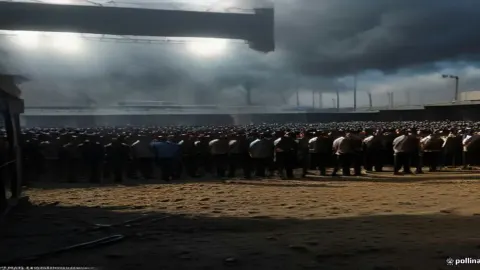
Meta Agrees to Strict Teen User Rules in Landmark Settlement
Meta Platforms has reached a significant settlement with 29 state attorneys general, agreeing to implement sweeping restrictions on its social media platforms concerning teen users. This agreement averts a protracted trial that could have resulted in billions of dollars in penalties. The core of the settlement mandates that Meta develop and adhere to an "age assurance standard," subject to independent oversight. This move comes amid growing public and regulatory pressure regarding the impact of social media on young people's mental health and safety.
This development is particularly relevant for the Iranian market as it highlights a global trend of increased scrutiny on tech giants and their responsibilities towards younger demographics. While direct impact on Iranian users might be limited by platform availability and local regulations, the precedent set by Meta's concessions could influence how other social media companies, including those accessible in Iran, approach content moderation and user age verification. For Iranian businesses and individuals reliant on digital platforms for marketing or communication, understanding these evolving global standards is crucial for future compliance and engagement. The settlement underscores the growing power of regulatory bodies worldwide to shape the digital landscape, a trend that cannot be ignored by any entity operating within or interacting with the global digital economy.
---
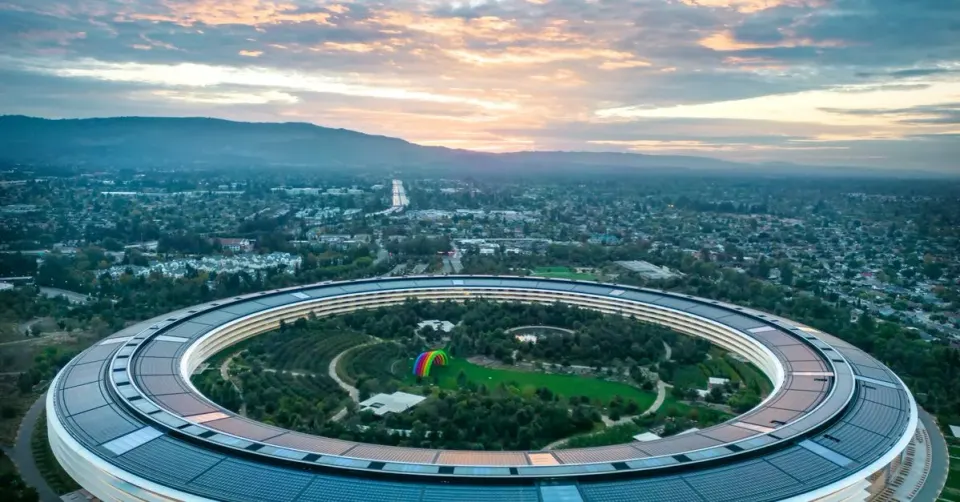
Inflation Fears Mount as US Inflation Rises; S&P 500 Faces Headwinds
US inflation has again shown an upward trend in July, remaining considerably above the Federal Reserve's target. This persistent inflation could push the Federal Reserve to consider another interest rate hike next month, a move that would have significant implications for borrowing costs and economic growth. The main inflation gauge favored by the Fed saw an elevated increase, signaling that inflationary pressures are not abating as quickly as hoped. This economic backdrop is creating a ripple effect across global markets, increasing uncertainty and volatility.
Strategists at Barclays have echoed these concerns, warning of rising macroeconomic volatility and potential risks to the S&P 500, despite expectations that the index might reach new highs this year. Factors contributing to this cautious outlook include capital supply concerns linked to the artificial intelligence boom and ongoing uncertainty surrounding upcoming US midterm elections. For Iranian markets and individuals, the persistent inflation in major economies like the US translates into a complex global economic environment. A stronger dollar, driven by potential Fed rate hikes, could put further pressure on the Iranian Toman. Conversely, global economic uncertainty can sometimes lead to increased demand for safe-haven assets, potentially benefiting gold prices. The situation warrants close monitoring as it impacts global trade, investment flows, and currency valuations, all of which have a bearing on Iran's economic outlook and the value of savings.

---
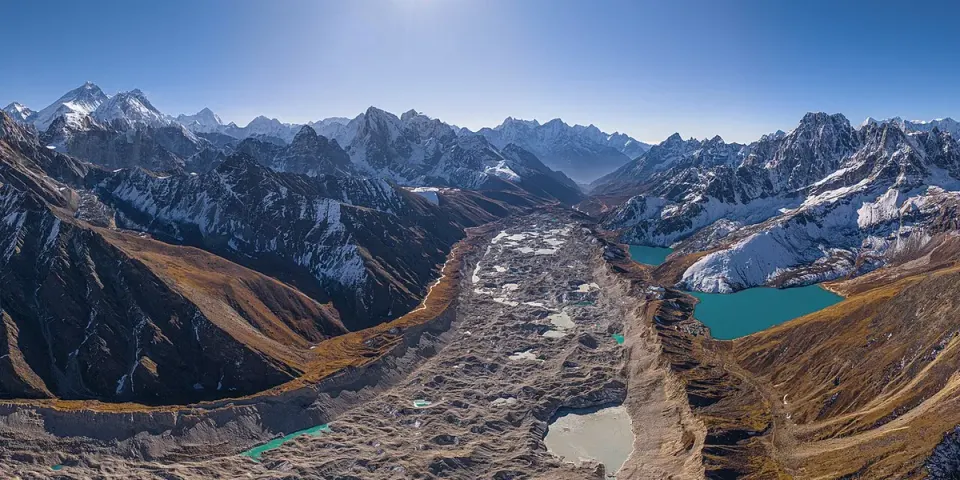
Devastating Floods Hit Nepal-Tibet Border, Hundreds Missing
Torrential floods, exacerbated by extreme weather patterns, have ravaged the border regions between Nepal and Tibet, China. Hundreds are reported missing, and at least 22 individuals have lost their lives as the deluge swept away homes, roads, bridges, and vital power infrastructure. Officials in Tibet have expressed grave concerns about "major casualties," particularly in the Gyirong county, where a mudslide impacted a crucial land crossing. The scale of destruction points to a significant humanitarian crisis unfolding in the Himalayan region.
This natural disaster, occurring amidst broader global concerns about climate change and its impact on vulnerable regions, underscores the fragility of infrastructure in mountainous areas. While this event is primarily a humanitarian tragedy, such large-scale natural disasters can have indirect economic consequences. Disruptions to trade routes, even those in remote areas, can affect regional supply chains. For Iran, the constant awareness of geopolitical risks and global economic interconnectedness means that while this event is geographically distant, it adds to the general climate of global instability. Events like these can sometimes influence international aid priorities and global risk sentiment, which, in turn, can subtly affect investment flows and commodity markets that Iran closely watches.
Frequently Asked Questions
What are the main restrictions Meta agreed to for teen users?
Why is US inflation a concern for global markets?
What caused the floods in Nepal and Tibet?
How might the US inflation situation affect Iran?
What is the significance of the Meta settlement?
Understanding Monetary Policy and the Federal Reserve's Role in Combating Inflation
When headlines mention "inflation fears gripping markets" and reference the "Federal Reserve," they're pointing to the critical concept of Monetary Policy. At its core, monetary policy refers to the actions undertaken by a nation's central bank—like the U.S. Federal Reserve—to manage the money supply and credit conditions to achieve macroeconomic goals. These goals typically include maximizing employment, stabilizing prices (i.e., controlling inflation), and moderating long-term interest rates. Inflation, the sustained increase in the general price level of goods and services, erodes purchasing power and can destabilize an economy, making the Fed's role in combating it paramount.
The Federal Reserve employs several key tools to influence the economy and curb inflation. The most prominent is adjusting the Federal Funds Rate, which is the target rate for overnight lending between banks. When the Fed raises this target rate, it signals to banks that borrowing money from each other (and from the Fed itself) will become more expensive. This, in turn, leads to higher interest rates across the economy—for consumer loans, mortgages, and business investments. Higher borrowing costs tend to slow down economic activity by discouraging spending and investment, thereby reducing overall demand and helping to cool inflationary pressures.
Another tool is Quantitative Tightening or Open Market Operations, where the Fed sells government securities (like Treasury bonds) from its balance sheet. By selling these assets, the Fed effectively removes money from the banking system, reducing the overall money supply. A reduced money supply makes money scarcer and thus more valuable, further contributing to higher interest rates and a slowdown in economic activity, which helps in the fight against inflation.
The challenge for the Federal Reserve is to strike a delicate balance. If it tightens monetary policy too aggressively, it risks pushing the economy into a recession, leading to job losses and economic contraction. Conversely, if it acts too slowly or not decisively enough, inflation can become entrenched, requiring even more drastic measures later. This constant balancing act, and the market's anticipation of the Fed's next moves, is precisely why "inflation fears" can cause significant ripples in financial markets like the S&P 500, as investors adjust their expectations for future economic growth and corporate earnings.