Hormuz Talks Ease Oil Prices; US Water Systems Targeted; Meta Settles Teen Lawsuit
مذاکرات تنگه هرمز قیمت نفت را کاهش داد؛ سیستمهای آب آمریکا هدف هکرها؛ متا با شکایت نوجوانان توافق کرد
Progress in talks between Iran and Oman has led to a dip in global oil prices. Meanwhile, US water infrastructure faced cyberattacks attributed to Iran-backed actors, and Meta reached a settlement in a lawsuit concerning social media's impact on teens.
At time of publishing
USD
200,300
Toman
Gold 18K
21.64M
Toman / gram
Bitcoin
$78,199
US Dollar
Tether
200,287.782
Toman
Hormuz Talks Offer Respite, Easing Oil Prices
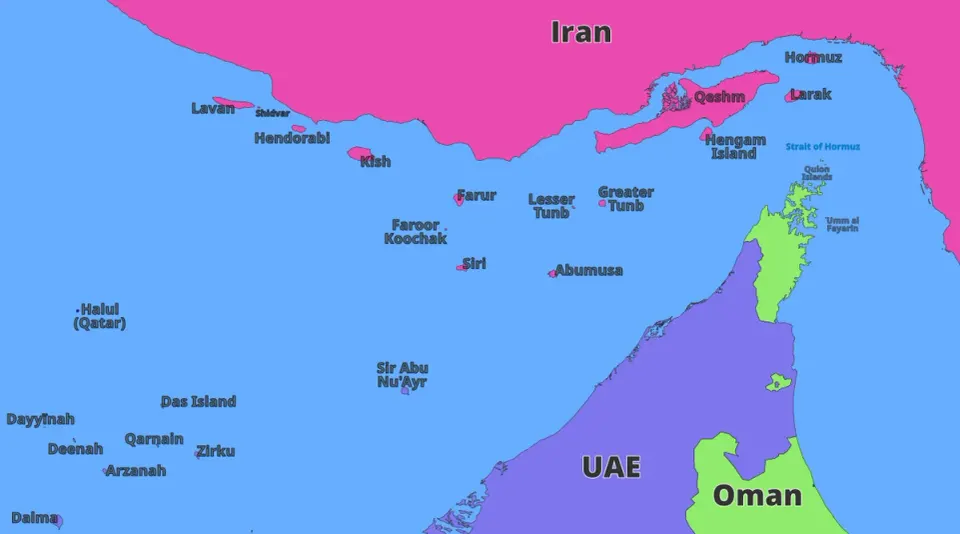
Global oil prices saw a notable dip following joint announcements from Iran and Oman regarding progress in establishing a temporary shipping lane and clearing mines within the Strait of Hormuz. This development, reported by The New York Times, signals a potential de-escalation of tensions in a critical global energy chokepoint. The agreement aims to ensure safer passage for maritime traffic, a move that has been welcomed by international markets seeking stability.
For Iran, this development could have significant implications. While the exact terms of the temporary lane and mine-clearing operations are still emerging, any perceived reduction in risk in the Strait can influence currency expectations and potentially ease pressure from secondary sanctions. The indirect effect on the Iranian Toman and confidence in trade routes is a key factor for local markets, as currency stability is often tied to geopolitical risk perception. The easing of oil price volatility, even if temporary, is a positive sign for global economic sentiment, which can indirectly benefit Iran's export capabilities if sanctions are perceived to be less stringently enforced.
---
Iran-Linked Hackers Target Over 100 US Water Systems
The U.S. Cybersecurity and Infrastructure Security Agency (CISA) has confirmed that over 100 water systems across the United States were targeted by hackers in July. TechCrunch reports that these attacks are suspected to be linked to Iran-backed actors, highlighting a growing concern over cyber warfare targeting critical infrastructure. This wave of sophisticated attacks underscores the vulnerability of essential services to state-sponsored cyber threats and raises questions about the efficacy of current cybersecurity defenses.
The motivation behind these attacks is likely multifaceted, potentially aiming to disrupt U.S. operations, test defensive capabilities, or gather intelligence. For Iran, such actions, if confirmed, could be seen as a form of asymmetric warfare, designed to exert pressure without direct military confrontation. The implications for U.S. national security are significant, necessitating a robust response to identify and neutralize threats. For the Iranian economy, while these cyber activities are conducted remotely, they contribute to the broader geopolitical tensions that influence international sanctions regimes and investor confidence, indirectly impacting currency markets and trade.
---
Meta Reaches Landmark Settlement in Social Media Addiction Lawsuit
Meta Platforms, the parent company of Facebook and Instagram, has agreed to a substantial settlement of up to $16.68 billion to resolve a class-action lawsuit alleging that its platforms were designed to be addictive and harmful to young users. MarketWatch reports that this landmark agreement addresses concerns about the mental health impact of social media on adolescents, a topic that has garnered increasing scrutiny from regulators and the public alike.
The settlement signifies a major shift in how social media companies may be held accountable for the psychological effects of their products. While Meta has denied wrongdoing, the sheer size of the settlement suggests a recognition of the potential liabilities and a desire to avoid a prolonged and potentially damaging trial. This development could set a precedent for future litigation against tech giants concerning user well-being and data privacy. For the broader market, it highlights the increasing regulatory risks faced by large technology firms and the potential for significant financial repercussions stemming from user-related issues.

---
US-Canada Trade Tensions Escalate
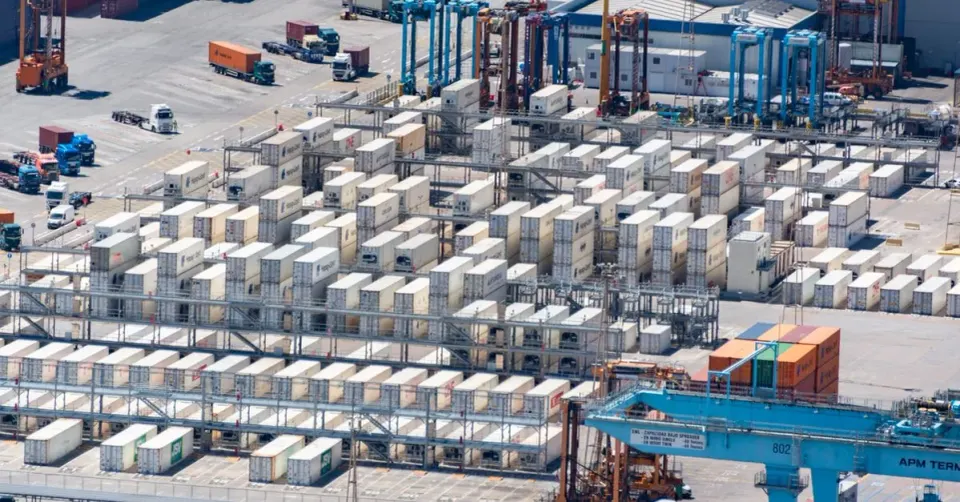
Negotiations between the United States and Canada aimed at resolving tariff disputes have instead devolved into an "all-out trade war," according to detailed accounts from The New York Times. The breakdown occurred when Canada perceived the U.S. demands as "unthinkable," leading to a significant escalation in trade barriers between the two North American neighbors. This development signals a hardening stance in international trade relations, with potential ripple effects across global supply chains and consumer prices.
The escalating trade war between the U.S. and Canada has direct implications for businesses and consumers in both countries. Tariffs on goods can lead to increased costs, reduced product availability, and potentially slower economic growth. For the wider global economy, such bilateral trade disputes can create uncertainty and disrupt established trade flows, impacting market sentiment and investment decisions. The situation underscores the fragility of international trade agreements and the increasing tendency for protectionist policies to emerge, even between closely allied nations.
---
CIA Director's Moscow Visit Sparks Geopolitical Speculation
CIA Director John Ratcliffe's unannounced visit to Moscow has ignited a flurry of speculation regarding its implications for ongoing geopolitical conflicts, particularly concerning Russia's war in Ukraine and its relationship with Iran. U.S. officials confirmed the trip, described by former Trump administration officials as unusual, though President Trump himself characterized it as "semi-routine." This discreet diplomatic move, occurring amidst stalled efforts to resolve the Ukraine conflict and heightened tensions related to Iran, suggests a high-stakes effort to gauge Russian intentions or convey critical messages.
The timing and nature of the visit are particularly noteworthy. With global energy markets sensitive to developments in Eastern Europe and the Middle East, any shift in U.S.-Russia relations, especially concerning Iran, could have significant market repercussions. The potential for discussions around sanctions, intelligence sharing, or de-escalation strategies in volatile regions means that such high-level, albeit low-profile, diplomatic exchanges warrant close attention from global markets. The lack of immediate clarity on the visit's agenda only amplifies the intrigue and potential impact on international stability and economic outlooks.
Watch
BREAKING: META agrees to SETTLE child harm lawsuit
Fox News
Frequently Asked Questions
What is the current status of the Strait of Hormuz shipping lane?
What was the nature of the cyberattacks on US water systems?
What is the significance of Meta's settlement?
How has the US-Canada trade relationship evolved?
Why is the CIA Director's visit to Moscow noteworthy?
The Strait of Hormuz: A Global Energy Chokepoint
In the intricate web of global trade and energy, certain geographical locations hold disproportionate strategic importance. These are often referred to as strategic chokepoints: narrow maritime passages through which a significant volume of global commerce, particularly energy shipments, must pass. Any disruption or threat to these chokepoints can have immediate and far-reaching consequences for international markets and geopolitical stability.
Among these, the Strait of Hormuz stands out as arguably the most critical. Situated between the Persian Gulf and the Gulf of Oman, this narrow waterway is the sole maritime outlet for the vast oil and natural gas reserves of several major producers, including Saudi Arabia, Iran, the UAE, Kuwait, and Iraq. An astonishing proportion of the world's seaborne oil — roughly one-fifth of global consumption — transits through the Strait daily, alongside substantial volumes of liquefied natural gas (LNG).
The immense concentration of global energy supply passing through such a confined space makes the Strait of Hormuz exquisitely vulnerable to geopolitical tensions. Even the mere perception of instability, whether stemming from military posturing, political disputes, or regional conflicts, can trigger immediate reactions in global commodity markets. The headline's mention of "Hormuz Talks" easing oil prices perfectly illustrates this dynamic: when diplomatic efforts reduce the perceived risk of supply disruption, the "risk premium" built into oil prices tends to diminish.
Conversely, any escalation of tensions or concrete threats to shipping in the Strait would almost certainly lead to a sharp surge in oil prices, impacting economies worldwide. This direct link between geopolitical events in the region and the global cost of energy underscores why the Strait of Hormuz remains a constant focal point for international diplomacy, security concerns, and strategic planning, making it a crucial concept for understanding global energy security and economic stability.