Haiti Gang Violence Surges, China's Debt Woes, and Trump's Trade Tactics
خشونت باندهای جنایتکار در هائیتی، مشکلات بدهی چین و تاکتیکهای تجاری ترامپ
Mounting anger in Haiti follows a brutal gang attack, highlighting police failures amidst escalating violence. Meanwhile, China faces a complex situation of collecting old debts while defaulting on its own, and the US-China trade war takes a cultural turn with new Canadian retaliatory tariffs.
At time of publishing
USD
200,200
Toman
Gold 18K
21.60M
Toman / gram
Bitcoin
$78,067
US Dollar
Tether
199,143
Toman
Haiti Reels as Gangs Unleash Terror, Exposing Police Failures
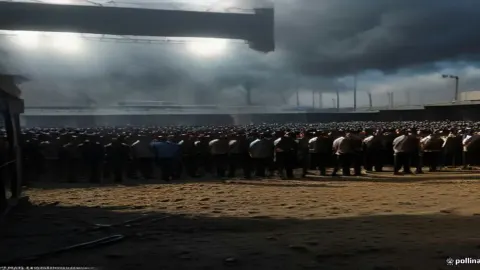
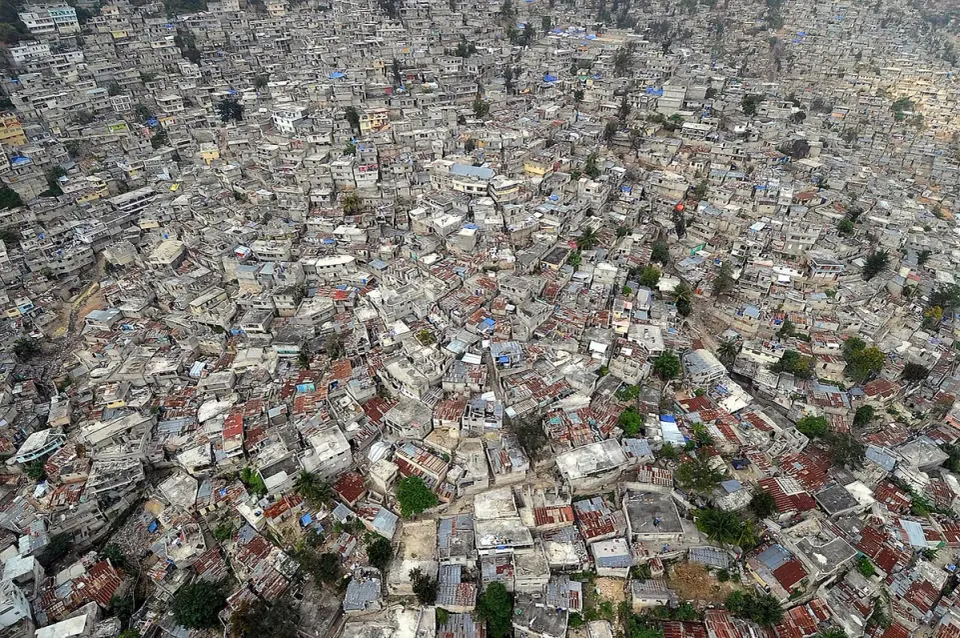
In a stark reminder of the deepening security crisis, Haiti is grappling with widespread anger and despair following a brutal gang attack that left at least 47 people dead and over 50 kidnapped. The targeted community, nestled in the hills above the capital, Port-au-Prince, had previously been spared the worst of the nation's gang violence, creating a false sense of security that was shattered by the recent onslaught. This incident, described as one of the largest mass kidnappings in recent memory, has pierced the fragile belief that the security situation in the Caribbean nation was improving, leading to intense scrutiny of the national police force's capabilities and response.
The attack underscores the pervasive reach of armed groups and the challenges faced by Haitian authorities in maintaining order. Gang leaders have issued chilling threats, vowing to kill hostages if any gang members are harmed during rescue attempts, further complicating efforts to de-escalate the situation. The United Nations has been instrumental in providing updated figures and a grim assessment of the human cost. This event not only highlights the immediate humanitarian crisis but also raises profound questions about the long-term stability and governance of Haiti, a nation already struggling with political instability and economic hardship. The international community watches with concern as the cycle of violence threatens to engulf the entire country.
---
China's Debt Dilemma: Collecting Abroad, Defaulting at Home
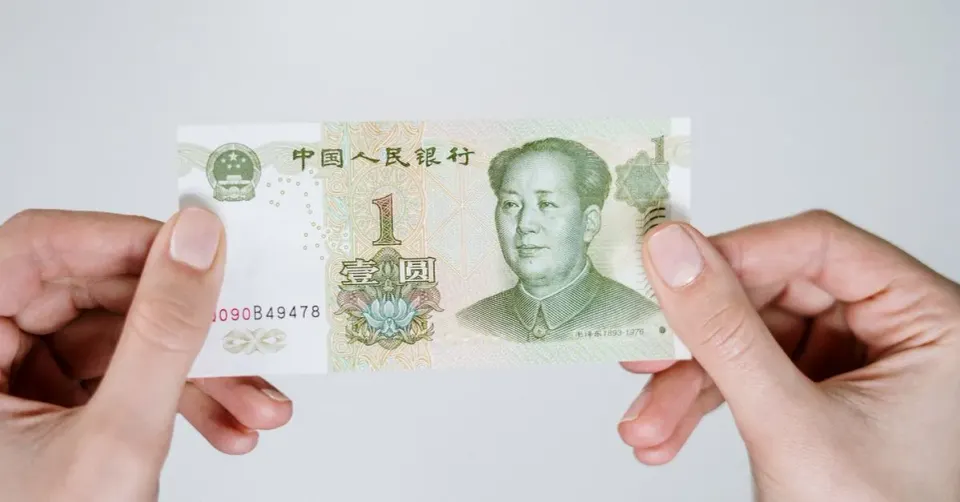
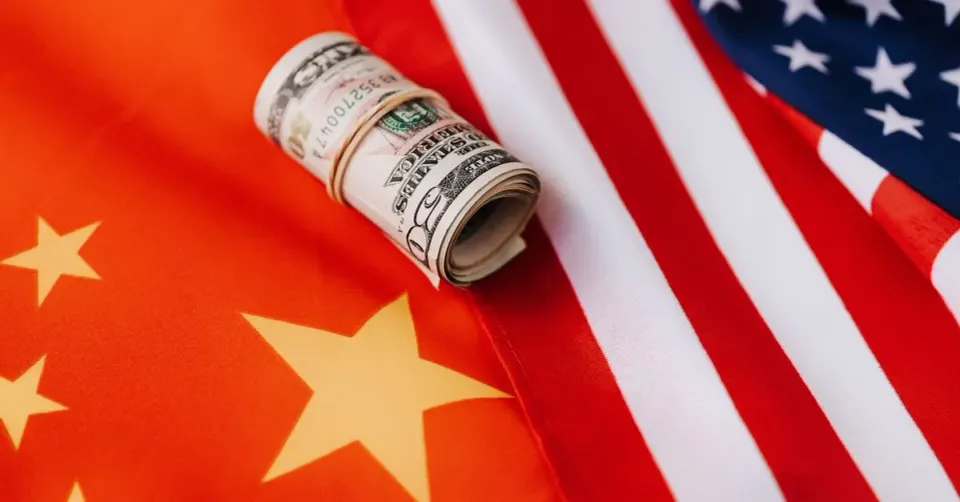
China finds itself in a peculiar and potentially precarious economic position, actively pursuing the collection of hundreds of billions of dollars in outstanding debts from other nations while simultaneously defaulting on its own significant financial obligations. This dual approach raises questions about the country's economic strategy and its reliability as a global financial player. While Beijing's efforts to recoup funds from international debtors may be aimed at bolstering its reserves or addressing domestic economic pressures, the simultaneous failure to meet its own commitments could erode trust among creditors and partners.
The implications of this policy are far-reaching. For countries that owe China money, the pressure to repay could intensify, potentially leading to economic strain or political concessions. Conversely, for China's creditors, the nation's own defaults could signal financial instability or a willingness to prioritize national interests over international financial norms. This situation is particularly sensitive given China's significant role in global trade and finance, and any perceived unreliability could have ripple effects across markets, impacting investment and trade flows. The long-term consequences for China's economic reputation and its ability to secure future financing remain to be seen.
---
Trump's Trade War with Canada Escalates with Cultural and Linguistic Salvos
The long-simmering trade dispute between the United States and Canada has taken a decidedly more complex and cultural turn, moving beyond traditional tariffs on goods to encompass linguistic and symbolic dimensions. Following the imposition of significant U.S. tariffs on Canadian products, Canada has responded with retaliatory measures, targeting a wide array of American goods with tariffs ranging from 15% to 50%. This tit-for-tat escalation has created considerable economic uncertainty for businesses and consumers in both nations.
However, the recent developments suggest a strategic shift, with the trade war now incorporating cultural and linguistic elements. This adds another layer of complexity to an already strained bilateral relationship. The broader implications extend beyond mere economic impact; they touch upon national identity and cultural exchange. As the dispute deepens, it raises concerns about the long-term health of the North American economic bloc and the potential for further fragmentation in global trade relations. The current trajectory suggests a prolonged period of friction, with both sides demonstrating a willingness to employ a wide range of tactics to achieve their objectives.
Frequently Asked Questions
What is the current security situation in Haiti?
What is China's current debt policy?
How has the US-Canada trade war evolved?
What are the immediate consequences of the Haiti attack?
What are the potential long-term impacts of China's debt policy?
Protectionism and Trade Wars: Understanding Global Economic Conflict
Protectionism refers to government policies designed to restrict international trade, usually with the goal of protecting domestic industries from foreign competition. Common tools of protectionism include tariffs (taxes on imported goods), quotas (limits on the quantity of imported goods), and subsidies (government support for domestic producers). Proponents often argue that these measures safeguard national security, protect nascent industries, or preserve domestic jobs, while critics contend they stifle innovation and harm consumers by limiting choices and increasing prices.
When one country implements protectionist measures, it often provokes retaliatory actions from affected trading partners, leading to a "trade war." For instance, the US-China trade conflict saw both nations impose tariffs on billions of dollars worth of each other's goods, and similar disputes have arisen between the US and allies like Canada over specific products. These conflicts disrupt global supply chains, increase costs for businesses, and typically result in higher prices for consumers as imported goods become more expensive and domestic alternatives face less competition.
Economically, trade wars can slow global economic growth by reducing overall trade volumes and creating uncertainty for investors. Businesses find it harder to plan and invest when trade rules are constantly shifting, and the efficiency gains from international specialization and comparative advantage are diminished. While some domestic industries might see short-term benefits, the broader economy often suffers from reduced competitiveness and higher input costs, potentially leading to job losses in export-oriented sectors.
Beyond economics, trade wars carry significant geopolitical weight. They can strain diplomatic relations, undermine international cooperation, and even contribute to broader political tensions. The use of trade as a weapon or a bargaining chip reflects a shift towards economic nationalism, where national interests are prioritized over multilateral trade agreements and global economic integration. Understanding protectionism is crucial for grasping how national policies can ripple through the global economy and reshape geopolitical landscapes.