CIA Director in Moscow, IRGC Claims US Weapon Shortages, Haiti Crisis Deepens
سفر مدیر سیا به مسکو؛ سپاه مدعی کمبود سلاح آمریکا؛ بحران هائیتی عمیقتر میشود
The CIA Director's unannounced visit to Moscow marks a significant diplomatic development amidst escalating tensions. Meanwhile, the IRGC claims the US faces strategic weapon shortages, and a gruesome incident in Haiti has sent shockwaves across the nation, deepening its ongoing crisis.
At time of publishing
USD
200,400
Toman
Gold 18K
21.61M
Toman / gram
Bitcoin
$78,031
US Dollar
Tether
199,451
Toman
CIA Director Visits Moscow Amid Heightened Global Tensions
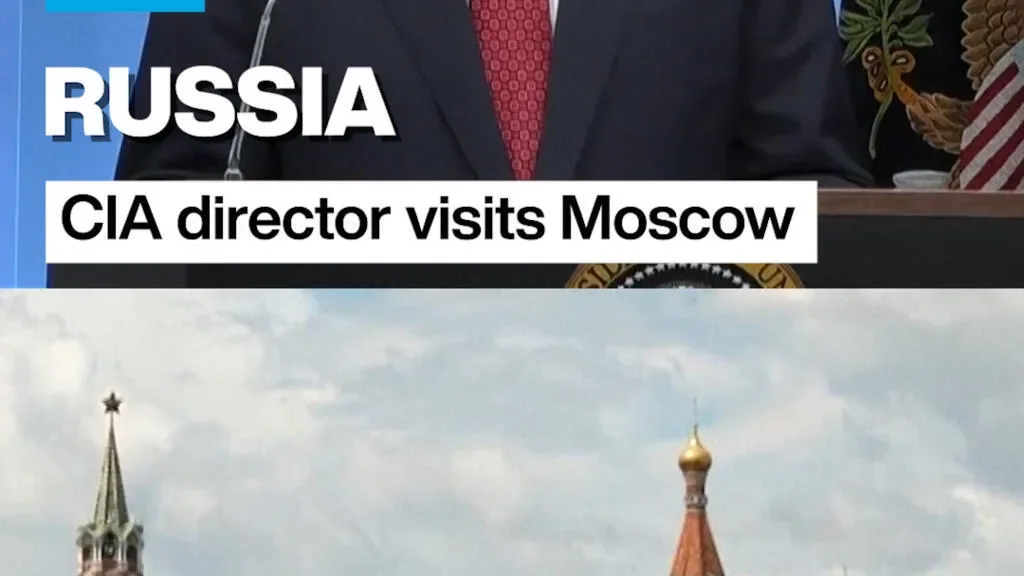
The Director of the CIA, John Ratcliffe, held unannounced talks with Russian intelligence services in Moscow, a visit confirmed by the Kremlin. This marks the first known visit by a U.S. spy chief to the Russian capital since 2021, occurring at a critical juncture in international relations. While the specifics of the discussions remain undisclosed, the meeting takes place against a backdrop of escalating conflict in Ukraine and stalled efforts to de-escalate tensions between the United States and Iran. The implications for regional stability and ongoing geopolitical negotiations are significant, potentially signaling a shift in diplomatic engagement or a concerted effort to manage escalating risks.
This development is particularly noteworthy given the current state of U.S.-Russia relations, which have been strained by numerous factors, including the ongoing war in Ukraine and allegations of interference in democratic processes. The visit could indicate a pragmatic approach by Washington to maintain lines of communication with Moscow on critical security issues, even amidst broader geopolitical disagreements. For Iran, such high-level dialogue between adversaries could indirectly influence perceptions of its own strategic position and the potential for future diplomatic breakthroughs or increased pressure.
---
IRGC Claims US Faces Strategic Weapon Shortages
A spokesperson for Iran's Islamic Revolution Guards Corps (IRGC) has asserted that the United States is experiencing significant shortages in strategic weapons following its recent military engagements. According to the IRGC, replenishing some of these depleted stockpiles could take years. This claim, disseminated by state news agency IRNA, suggests that the operational tempo and demands placed on U.S. military resources have led to a substantial drawdown, impacting readiness and future capabilities.
The timing of this assertion is crucial. It follows a period of heightened global military activity and could be interpreted as an attempt by Iran to project an image of strength and resilience, while simultaneously undermining the perceived military superiority of the United States. Such statements often serve dual purposes: to bolster domestic confidence and to influence the strategic calculations of regional adversaries and allies. The IRGC's commentary implies that the U.S. is in a vulnerable position, potentially impacting international perceptions of its deterrent capabilities and its willingness to engage in prolonged conflicts.
---
Haiti Crisis Worsens Amid Gruesome Killings and Political Instability
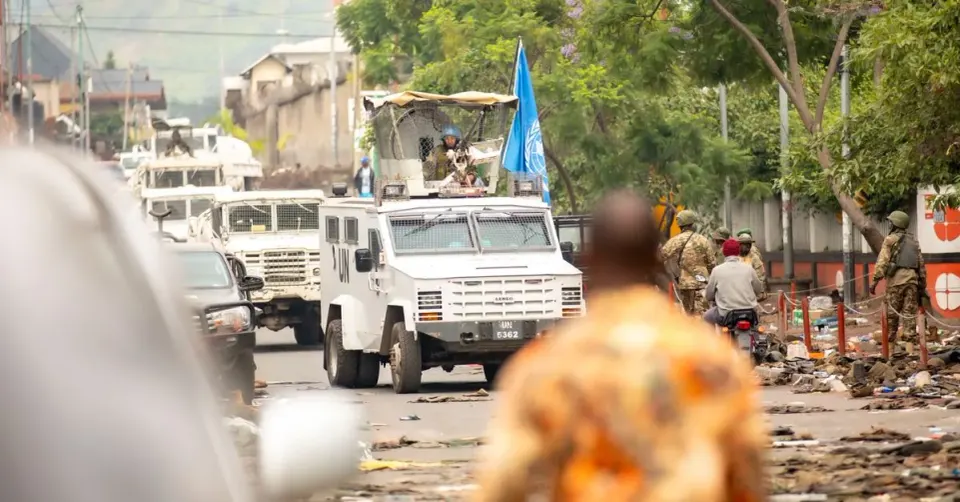
Gruesome killings in a Haitian mountain retreat have sent shockwaves across the country, exacerbating an already dire security and political crisis. Journalist Harold Isaac reported from Port-au-Prince that the violence is not merely an escalation of gang activity but a profound challenge to state authority, occurring precisely as Haiti attempts a return to electoral politics. With armed groups reportedly controlling a vast majority of the capital, the circulation of people and goods is increasingly dependent on negotiations with these powerful factions.
The attack in Kenscoff, an affluent area, highlights the pervasive reach of the violence and its impact on all segments of society. This situation unfolds against a backdrop of arms smuggling, fragile institutions, and an unresolved political transition, making the organization of Haiti's first elections in a decade an increasingly daunting task. The deepening crisis raises serious concerns about the potential for further instability, humanitarian consequences, and the erosion of any semblance of governance, with implications for regional security and international aid efforts.
---
Swedish Startup Boom Continues with Major Funding Rounds
Sweden's vibrant startup ecosystem continues to impress, with companies like Lovable, Legora, and Neko Health securing substantial funding. Lovable, a 'vibe-coding' startup, recently raised $400 million at a $13.3 billion valuation, nearly doubling its worth in eight months. This surge in investment underscores the growing appeal of European tech hubs and the innovative spirit driving growth in sectors ranging from legal AI to health tech.
Dominic-Madori Davis, joined by Sophia Bendz, a partner at Cherry Ventures, discussed these developments on TechCrunch's Equity podcast. The conversation highlighted the factors contributing to Sweden's success, including a strong talent pool, supportive venture capital environment, and a focus on disruptive technologies. These successes not only bolster the Swedish economy but also signal a broader trend of increasing investment in European startups, challenging the long-held dominance of Silicon Valley.

---
Bitcoin Faces Headwinds as Inflation Data Dampens Optimism
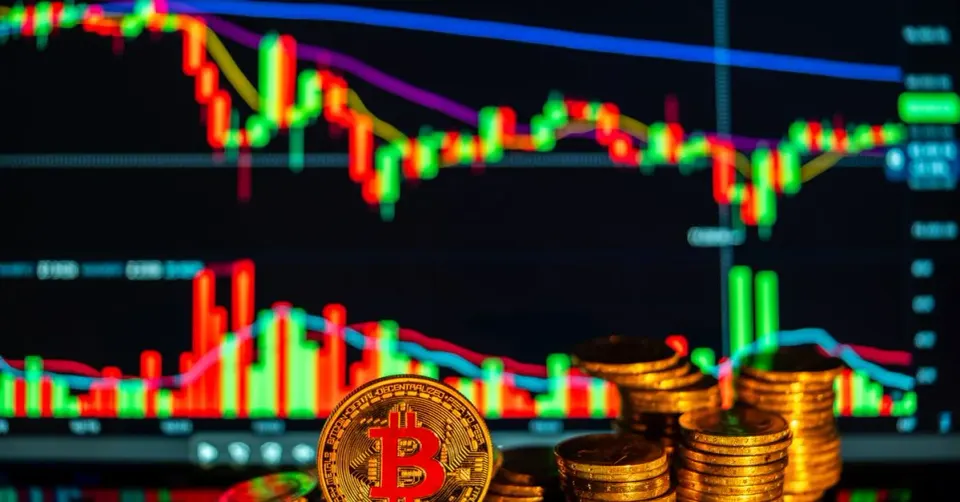
Bitcoin experienced a dip below $78,000, influenced by slightly higher-than-anticipated July U.S. PCE inflation data. This economic indicator also pressured gold and other risk assets, suggesting a cautious market sentiment. While Bitcoin has shown resilience in recent months, crossing the $78,000 mark is seen by analysts at CryptoQuant as a key step toward confirming a bull market, with a stronger confirmation requiring a sustained move above $83,000 and the 365-day moving average.
The broader market's reaction to inflation data highlights the sensitivity of cryptocurrencies to macroeconomic trends. A significant portion of Americans, around 77%, view cryptocurrency in retirement plans as risky, according to a recent survey, indicating continued skepticism among the general public despite growing interest from policymakers in expanding access to alternative assets. The SEC's review of crypto custody rule overhauls further signals regulatory scrutiny, aiming to clarify how digital assets are held for clients, which could impact institutional adoption and investor confidence.
Frequently Asked Questions
What is the significance of the CIA Director's visit to Moscow?
What is the IRGC claiming about U.S. weapons?
How is the crisis in Haiti developing?
What is driving the boom in Swedish startups?
How did U.S. inflation data affect Bitcoin?
Understanding Geopolitical Risk and Its Economic Impact
Geopolitical risk refers to the uncertainty that arises from political actions, conflicts, or diplomatic tensions between states and non‑state actors. Events such as a CIA station in Moscow, the Iranian Revolutionary Guard Corps (IRGC) accusing the United States of weapon shortages, or a deepening humanitarian crisis in Haiti are classic examples that can shake investor confidence, shift trade routes, and trigger sudden changes in fiscal and monetary policy.
The economic consequences of heightened geopolitical risk are often immediate and far‑reaching. Markets react to perceived threats by demanding higher risk premiums, which can push up borrowing costs for both governments and private firms. At the same time, sanctions or embargoes can choke supply chains, leading to shortages of critical inputs—like the weapons mentioned in the headline— and driving up prices, a key driver of inflation. In such an environment, investors may turn to assets that are perceived as safe havens, including foreign‑exchange reserves, gold, or even cryptocurrencies such as Bitcoin, which some view as a hedge against fiat‑currency depreciation.
Geopolitical risk also shapes the strategic decisions of startups and technology firms. Swedish startups, for instance, might reconsider expansion plans or supply‑chain partnerships if sanctions against a major market tighten. Likewise, multinational corporations often diversify production across multiple jurisdictions to mitigate the fallout from sudden policy shifts or regional conflicts.
Policymakers monitor these dynamics closely. Central banks may adjust interest rates to counter inflation triggered by supply disruptions, while finance ministries might revise budget allocations to support affected sectors. Understanding how political turbulence translates into economic signals helps investors, entrepreneurs, and citizens make more informed decisions in an increasingly interconnected world.