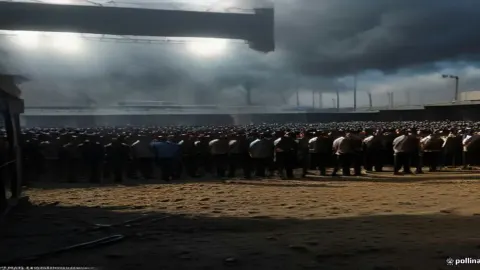
Meta's $18B Settlement, Nepal Floods, and US-Canada Trade Tensions Dominate Brief
تسویه حساب ۱۸ میلیارد دلاری متا، سیل نپال و تنشهای تجاری آمریکا و کانادا در خبرنامه امروز
Meta has reached an $18 billion settlement with U.S. states in a landmark legal victory, while devastating floods in Nepal and Tibet have claimed hundreds of lives. Meanwhile, trade tensions between the U.S. and Canada escalate, with threats to key industries impacting market sentiment.
At time of publishing
USD
200,400
Toman
Gold 18K
21.63M
Toman / gram
Bitcoin
$78,442
US Dollar
Tether
199,995
Toman
Meta Reaches Landmark $18 Billion Settlement with U.S. States
Meta Platforms has agreed to a staggering $18 billion settlement with U.S. states, resolving a class-action lawsuit that accused the social media giant of facilitating the spread of misinformation and failing to protect user data. The deal, reached during a federal court trial in California, represents a significant victory for state attorneys general who have been at the forefront of challenging Big Tech's practices. This settlement is not only a financial blow to Meta but also a legal precedent that could embolden other states and regulatory bodies to pursue similar actions against major technology companies.
The core of the lawsuit revolved around Meta's alleged role in amplifying false narratives and its data privacy policies, particularly concerning younger users. Critics argued that the company's algorithms were designed to maximize engagement, often at the expense of user well-being and the integrity of public discourse. While Meta has not admitted wrongdoing, the sheer scale of the settlement suggests a strategic decision to avoid a protracted legal battle with potentially more damaging outcomes. For Meta, this resolution allows it to shift focus back to product development and innovation, but the specter of increased regulatory scrutiny will undoubtedly loom large.

Why This Matters for Iran and Global Markets
The implications of such a massive settlement by a global tech giant like Meta extend beyond U.S. borders and could indirectly influence market sentiment and regulatory approaches worldwide. For Iran, while there's no direct link to this specific lawsuit, the increased focus on data privacy and the potential for large-scale corporate accountability could resonate. It highlights a global trend towards holding powerful entities responsible for their impact on society. Investors and businesses, both within and outside Iran, will be watching how such legal precedents shape the operational landscape for multinational corporations. This could lead to a more cautious approach to data handling and platform management globally, potentially affecting investment flows and the cost of doing business for international tech firms operating in or eyeing the Iranian market.
---
Devastating Floods in Nepal and Tibet Claim Hundreds of Lives
Nepal and the Tibet Autonomous Region of China are grappling with the catastrophic aftermath of severe flash floods that swept away villages and left at least 160 people dead, with hundreds more missing. The deluge, triggered by what appears to be an avalanche-induced flash flood in the Himalayas, unleashed a wall of water that devastated river valleys. Nepali authorities have reported that border officials, port workers, and foreign tourists are among the unaccounted for, underscoring the widespread impact of this natural disaster. The scale of destruction is immense, with entire communities displaced and critical infrastructure obliterated.
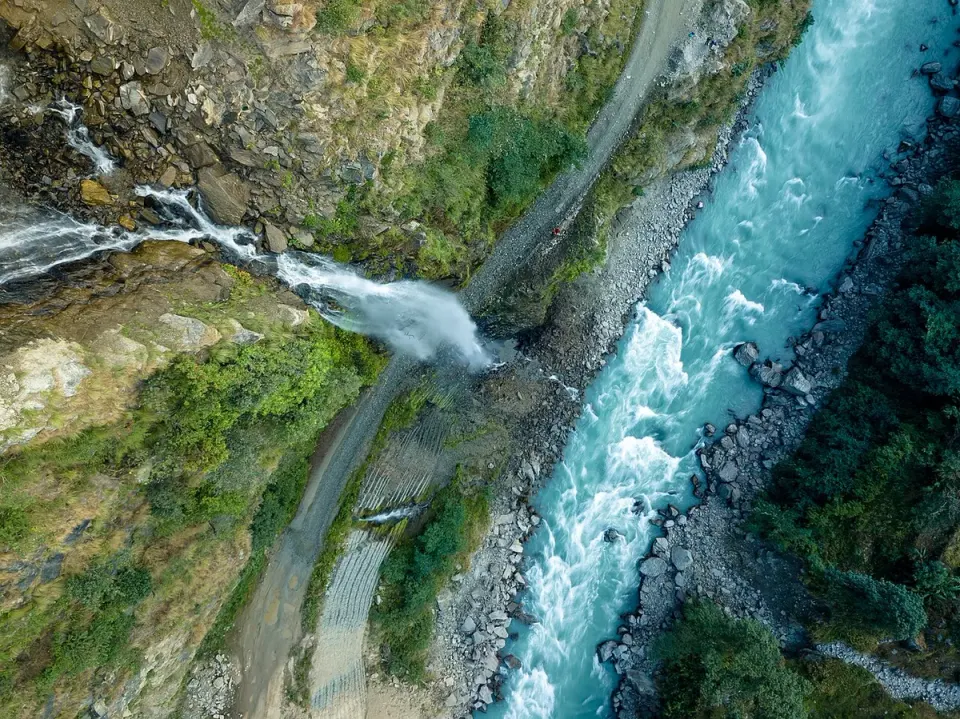
The exact cause of the unusual flash flood, which occurred with minimal heavy rainfall, is still under investigation, but initial reports point to a potential avalanche destabilizing a glacial lake or river system. This event serves as a stark reminder of the vulnerability of communities in mountainous regions to the unpredictable and often devastating forces of nature, exacerbated by climate change. Rescue efforts are underway, but the challenging terrain and the sheer extent of the damage are making them arduous. The loss of life and the destruction of property will have long-term economic and social consequences for the affected regions.
Geopolitical and Economic Ripples
While primarily a humanitarian crisis, these floods can have broader geopolitical and economic implications. The destruction of infrastructure, including transportation routes and border crossings, could disrupt regional trade and supply chains. For countries reliant on trade through these areas, the impact could be felt in the availability and price of goods. Furthermore, the disaster highlights the increasing frequency and intensity of extreme weather events globally, a phenomenon often linked to climate change. This could intensify international discussions on climate action, adaptation strategies, and the allocation of resources for disaster relief, potentially influencing global economic policy and investment priorities. For markets, such events can sometimes lead to a temporary flight to safety, impacting currency and commodity prices, though the direct impact on global markets from this specific event might be limited unless it significantly affects regional energy or trade routes.
---
US-Canada Trade Tensions Flare Amidst Threats of Hockey Stick Tariffs
Trade relations between the United States and Canada have once again become strained, with former President Donald Trump reportedly threatening to impose tariffs on a quintessentially Canadian export: hockey sticks. This aggressive stance, outlined in a recent commentary, suggests a potential escalation of trade disputes that could impact key industries and further complicate cross-border commerce. Trump's administration previously imposed tariffs on Canadian steel and aluminum, leading to retaliatory measures from Ottawa. While the current administration's policies may differ, the underlying sentiment of protectionism and the potential for trade friction remain a significant concern for businesses operating in North America.
Canada, historically a crucial trading partner for the U.S., has shown resilience in the face of such threats. However, the prospect of tariffs on goods like hockey sticks, while seemingly niche, symbolizes a broader pattern of unpredictable trade policy that can sow uncertainty. Such actions can disrupt supply chains, increase costs for consumers and businesses, and damage diplomatic ties. The economic interdependence between the two nations means that any significant trade dispute carries the risk of broader repercussions, affecting sectors far beyond the immediate targets of tariffs.

Market Impact and Currency Watch
The ongoing trade rhetoric between the U.S. and Canada, even if focused on specific items, contributes to a general atmosphere of global trade uncertainty. This can influence currency markets, as investors weigh the potential economic impact on affected nations. For the Iranian Toman, while not directly involved, such global trade friction can indirectly affect its stability. A more uncertain global trade environment can sometimes lead to a general strengthening of the U.S. dollar as a safe-haven asset, which could put downward pressure on other currencies, including the Toman, if it were to weaken against the dollar. The current market data shows the USD/IRR pair remained stable over the last 24 hours (200,500 → 200,400, 0.0%), indicating no immediate market reaction to these specific trade developments, but the underlying risk remains. Furthermore, increased global economic uncertainty often correlates with fluctuations in gold prices, although the precious metal also remained flat over the past 24 hours (18k gold/gram: 21,630,730 → 21,626,113, 0.0%).
---
Crypto Tax Reporting Framework Falls Short, Analysts Say
Blockchain analytics firm Chainalysis has estimated that approximately $457 billion in cryptocurrency activity is subject to taxation, yet a significant portion of this remains untracked by current international reporting frameworks. The OECD's Crypto-Asset Reporting Framework (CARF), designed to standardize tax reporting for digital assets, is estimated to cover only about 14% of the on-chain activity identified by Chainalysis. This gap highlights the ongoing challenges in effectively taxing the burgeoning digital asset economy and the difficulty in ensuring compliance across different jurisdictions.
The CARF aims to provide tax authorities with crucial information about crypto transactions, similar to how traditional financial institutions report on bank accounts. However, Chainalysis's analysis suggests that the framework's current scope and implementation may not be sufficient to capture the full extent of taxable events. This could lead to a persistent shortfall in tax revenues for governments worldwide and create an uneven playing field for taxpayers, where those who are less sophisticated or operating in jurisdictions with weaker enforcement may avoid reporting obligations.
Implications for Investors and Regulators
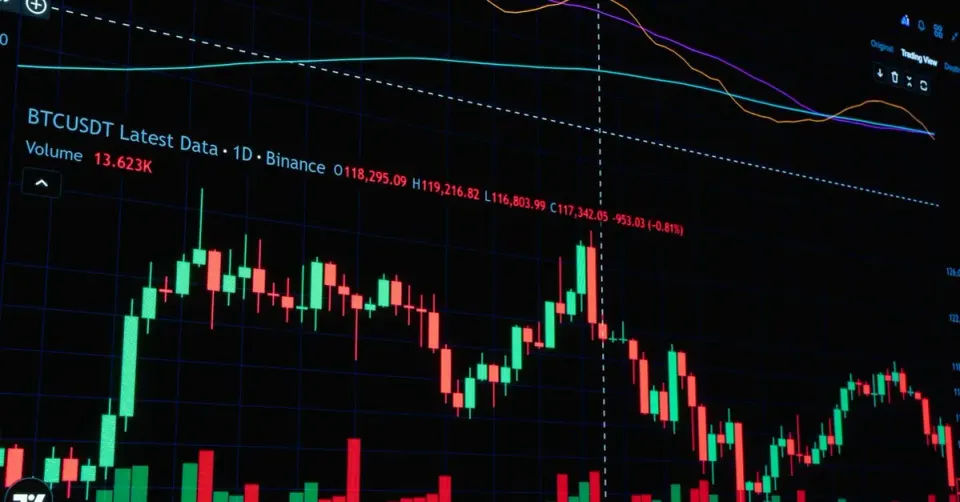
The findings from Chainalysis underscore the complexities of regulating and taxing cryptocurrencies. For individual investors and crypto businesses, this means that while tax obligations exist, the mechanisms for reporting and enforcement are still evolving. It suggests a need for greater clarity and potentially a broader scope for future tax frameworks. Regulators, on the other hand, face the challenge of adapting to a rapidly evolving technological landscape. The significant gap between taxable activity and reported activity indicates that existing frameworks may need continuous updates and stronger enforcement mechanisms to be effective. This could lead to increased scrutiny on crypto exchanges and wallet providers to enhance their reporting capabilities. While the immediate impact on markets like Bitcoin (currently trading around $78,442) and Ethereum ($2,464.22) is not directly apparent from this report, the long-term implications for regulatory certainty and market maturity are significant. The USDT price in Toman remained stable at 199,995.
Frequently Asked Questions
What is the total amount Meta has agreed to pay in its settlement with U.S. states?
What caused the severe flash floods in Nepal and Tibet?
What specific product has Donald Trump reportedly threatened with tariffs in relation to Canada?
How much of the estimated taxable cryptocurrency activity does the OECD's CARF framework cover, according to Chainalysis?
How did the USD/IRR exchange rate perform in the last 24 hours according to the provided data?
Understanding Tariffs and Trade Wars
Tariffs are taxes imposed by a government on imported goods. By raising the price of foreign products, tariffs aim to protect domestic industries, generate revenue, or exert political pressure. The rate can be specific (a fixed amount per unit) or ad valorem (a percentage of the product's value), and it is usually applied at the border when the goods clear customs.
In theory, a modest tariff can help a fledgling industry develop by shielding it from established foreign competitors. However, higher or widespread tariffs often provoke retaliation from trading partners, leading to a cascade of increasingly punitive measures. This escalation is what economists call a trade war—a series of tit‑for‑tat tariff hikes that can spread beyond the original sectors and affect the broader economy.
The recent tension between the United States and Canada over lumber and steel tariffs illustrates the mechanics of a modern trade war. In 2024 the U.S. announced additional duties on Canadian softwood lumber, arguing that Canadian producers were receiving unfair subsidies. Canada responded with counter‑tariffs on U.S. aluminum products, prompting negotiations under the World Trade Organization (WTO) framework. While both countries remain close allies, the dispute has raised prices for construction firms and homeowners on both sides of the border.
Economists warn that trade wars can reduce overall welfare by increasing consumer prices, disrupting supply chains, and creating uncertainty for businesses planning long‑term investments. While targeted tariffs may achieve short‑term political goals, the aggregate cost—often measured as a percentage of GDP—tends to outweigh the benefits. Policymakers therefore weigh the political appeal of protectionism against the broader economic fallout before escalating a dispute.