Iran Urges UN Action on Sanctions; Meta Settles Child Harm Claims; Nepal Floods Devastate
ایران خواستار اقدام سازمان ملل علیه تحریمها شد؛ متا با ادعای آسیب به کودکان موافقت کرد؛ سیل در نپال ویرانگر بود
Iran's Foreign Minister is urging the UN to act against what he calls "unlawful" US sanctions, while Meta has agreed to a massive settlement over claims its platforms harm children. Meanwhile, devastating floods have swept through Nepal and Tibet, leaving hundreds missing.
At time of publishing
USD
200,400
Toman
Gold 18K
21.63M
Toman / gram
Bitcoin
$78,502
US Dollar
Tether
199,065
Toman
Iran Appeals to UN Amidst Sanctions Pressure
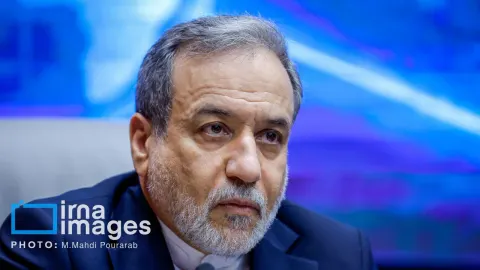
Iranian Foreign Minister Abbas Araghchi has formally appealed to United Nations Secretary-General Antonio Guterres, urging the international body and its Security Council to respond to what Tehran describes as the "latest economic offensive" by the United States. This move signals Iran's continued frustration with and resistance to what it deems illegitimate sanctions, which have long strained its economy and impacted its ability to engage in international trade. The timing of this appeal, as global discussions around sanctions regimes remain fluid, underscores Iran's ongoing efforts to seek international recourse and potentially alleviate economic pressures.
Araghchi's letter highlights the persistent challenges Iran faces due to external economic policies. While the specifics of the "economic offensive" were not detailed in the report, it is understood to refer to a continuation or escalation of sanctions that impede Iran's access to global financial systems and markets. For the Iranian populace, such appeals often carry a dual purpose: to garner international sympathy and to bolster domestic confidence by demonstrating a proactive stance against perceived foreign aggression. However, the practical impact on daily life, including currency stability and the price of essential goods, remains a critical concern, with the USD/IRR pair holding steady at 200,400 sell.

---
Meta Reaches Landmark Settlement Over Child Harm Claims
Social media giant Meta has reportedly agreed to a significant settlement, potentially reaching up to $18 billion, to resolve claims that its platforms, including Facebook and Instagram, have caused harm to children. The agreement was reached during a federal court trial in California, brought forth by various US states. This development marks a critical juncture in the ongoing debate surrounding the responsibility of tech companies for the well-being of their young users and the potential psychological impacts of constant online engagement.
The lawsuit centered on allegations that Meta's algorithms and platform designs were optimized for user engagement, even at the expense of children's mental health, leading to issues such as addiction, anxiety, and depression. While Meta has consistently defended its safety features, the sheer scale of the potential settlement underscores the severity of the claims and the considerable legal and public relations challenges the company has faced. The outcome could set a precedent for future litigation against social media companies and influence the regulatory landscape governing online platforms, particularly concerning minors.

---
Devastating Floods Strike Nepal and Tibet, Hundreds Missing
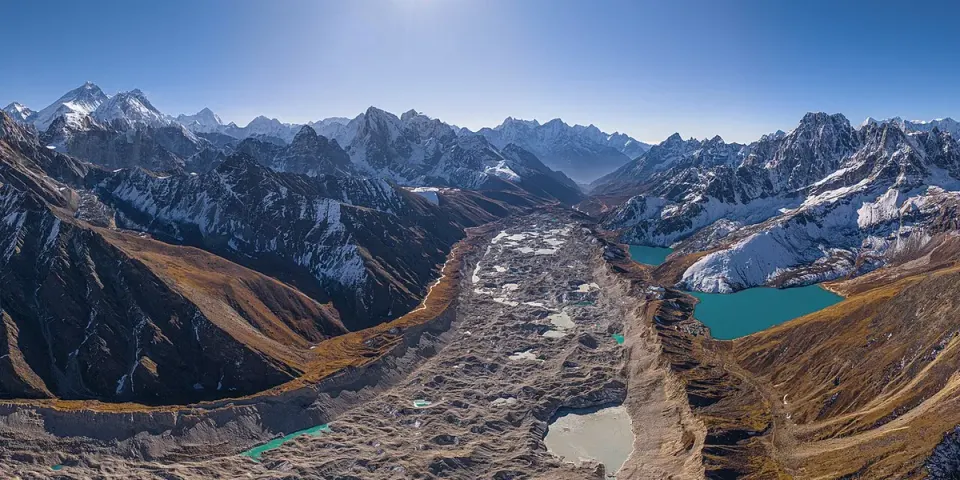
Tragic news emerges from the Himalayas, where unprecedented flash floods have swept through villages in Nepal and the Tibet Autonomous Region of China. Initial reports indicate that at least 160 people have been killed, with hundreds more missing. The wall of water, triggered by intense rainfall, has caused widespread devastation, destroying homes and infrastructure and displacing countless residents. Foreign tourists are also reported among the missing, adding an international dimension to the unfolding crisis.
This disaster highlights the increasing vulnerability of communities in mountainous regions to extreme weather events, exacerbated by climate change. The immediate focus is on search and rescue operations, but the long-term implications for the affected regions will include significant rebuilding efforts and potential displacement of populations. The scale of the loss of life and the number of missing persons underscore the urgent need for international aid and support for disaster relief in both Nepal and Tibet. The event serves as a stark reminder of the destructive power of nature and the growing challenges posed by a changing climate.
Frequently Asked Questions
What specific US sanctions is Iran protesting?
What are the key allegations against Meta in the child harm lawsuit?
What caused the floods in Nepal and Tibet?
How are oil prices reacting to the Iran-Oman corridor developments?
What is the current exchange rate for USD to IRR?
Understanding Secondary Sanctions: How They Extend Pressure Beyond Target Countries
Secondary sanctions are a powerful tool that allows a country—most often the United States—to punish not only the primary target of a sanctions regime but also any third‑party firms, banks, or individuals that help the target evade restrictions. While primary sanctions forbid direct transactions with the designated entity, secondary sanctions threaten to cut off any foreign party that continues to do business with it, effectively forcing the global financial system to police the sanctions on the target’s behalf. This mechanism is why Iran’s oil exports can be crippled even when the buyer is a non‑U.S. company, and why European banks often refuse to process Iranian transactions despite not being directly sanctioned.
The legal basis for secondary sanctions in the U.S. rests on the International Emergency Economic Powers Act (IEEPA) and the authority of the Office of Foreign Assets Control (OFAC). OFAC publishes a list of “secondary sanctions” that specify the conduct that will trigger a penalty, such as providing material support to Iran’s energy sector or shipping Iranian crude through the Strait of Hormuz. Violators can face the loss of access to the U.S. financial system, asset freezes, and bans on future U.S. trade. Because the U.S. dollar dominates global trade, the threat of being cut off from dollar‑denominated clearing houses is often enough to compel compliance.
Secondary sanctions have a ripple effect on global markets. Oil prices, for instance, can spike when the risk of shipping through the Strait of Hormuz rises, as traders price in the possibility of vessels being seized or insurers refusing coverage. The indirect pressure also pushes targeted countries to seek alternative payment mechanisms—such as using Chinese yuan or crypto—yet these alternatives remain limited by the reach of secondary sanctions. Understanding this dynamic helps explain why headlines about Iran urging UN action on sanctions are intertwined with broader concerns about energy security and global finance.
Critics argue that secondary sanctions overreach sovereign rights and can harm innocent third parties, especially small businesses caught in the crossfire. Nonetheless, they remain a cornerstone of U.S. foreign policy, used not only against Iran but also against Russia, North Korea, and entities linked to terrorism. For anyone following international economics or geopolitics, grasping how secondary sanctions work is essential to decoding the complex interplay between politics, finance, and commodity markets.