Hormuz Shipping Crisis Deepens as Tehran Officials Praise 'Wartime' Management Coordination
تشدید بحران کشتیرانی در هرمز همزمان با تمجید از هماهنگی «مدیریت زمان جنگ» در تهران
A new tanker strike in the Strait of Hormuz has sent ripples through energy markets, even as Iranian officials laud the Pezeshkian administration's internal coordination. Meanwhile, a search continues for dozens of tourists missing in devastating Nepal floods.
At time of publishing
USD
200,300
Toman
Gold 18K
21.60M
Toman / gram
Bitcoin
$78,657
US Dollar
Tether
199,400
Toman
The 'Wartime' Narrative and Domestic Stability
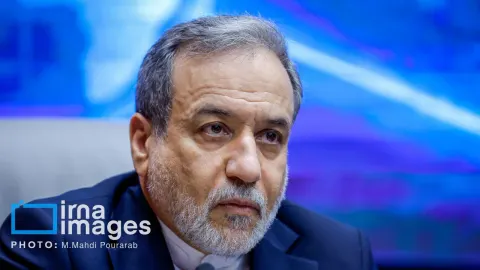
At 10:00 AM in Tehran, the domestic political landscape is dominated by a coordinated effort to project strength and unity. Iranian state media has reported that various political figures and officials are currently praising President Masoud Pezeshkian and First Vice President Mohammad Reza Aref for their "wartime management" of the country. This terminology is significant, as it frames the current economic and geopolitical pressures not as systemic failures, but as a test of national governance that the administration is allegedly passing. By highlighting a model of national coordination, the government appears to be attempting to shore up public confidence amid lingering inflation and regional instability.
For the average Iranian citizen, this rhetoric is being measured against the reality of the markets. Despite the high-level praise, the Iranian Toman remains under heavy pressure. The USD sell rate is currently holding steady at 200,300 Toman, showing a 0.0% change from the previous 200,400 Toman benchmark. While the administration claims success in managing social and political pressures, the stagnation in the currency market suggests that investors are waiting for more than just words. The slight dip in gold prices, with 18k gold moving from 21,626,113 to 21,596,103 (-0.1%), indicates a cautious holding pattern rather than a surge of confidence in the domestic economy.
Escalation in the Strait: Another Tanker Struck
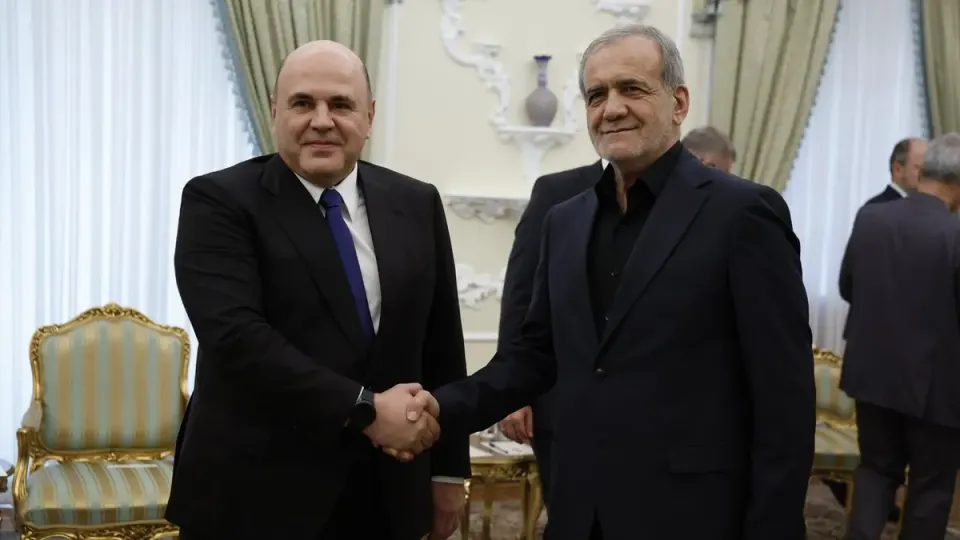
The maritime security situation in the Middle East has taken another turn for the worse. The UK Maritime Trade Operations (UKMTO) confirmed today that yet another tanker has been struck by a projectile in the Strait of Hormuz. This incident comes at a sensitive time when regional mediators, including Pakistan, have been attempting to facilitate a de-escalation between Iran and the United States. The strike proves that these diplomatic efforts have yet to yield tangible security on the water. Despite the immediate threat to global energy supplies, oil traders have shown a surprising level of optimism, largely because global demand forecasts remain tempered by economic slowing elsewhere.
What this means for the global economy is a persistent "risk premium" that refuses to dissipate. While oil prices have not yet seen a massive vertical spike, the cost of insurance for vessels transiting the chokepoint is climbing. For Iran, the continued disruption in the Strait is a double-edged sword; it asserts regional influence but further complicates the logistical pathways for its own exports. This shipping crisis is a primary reason why gold remains at historic highs, with the global ounce price sitting at $4,609.80, as investors seek a safe haven from potential maritime blockades or wider conflict escalation.
Tragedy in Nepal: Missing Australians and Regional Flooding
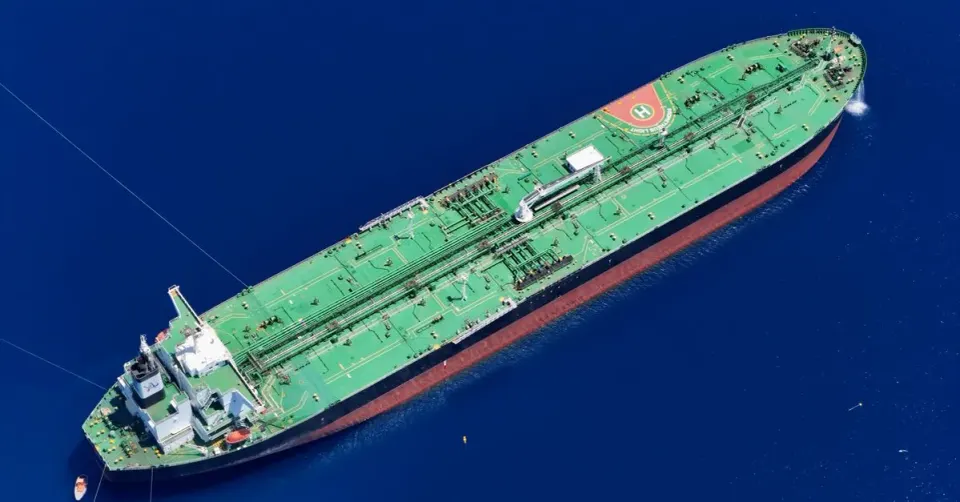
On the international front, a humanitarian disaster is unfolding along the border of Nepal and China. Devastating flash floods and mudslides have ravaged the region, leading to reports of dozens of missing persons. Among the most concerning reports is the disappearance of an Australian tour group. Himalayan Glacier Trekking, a local operator, has expressed fears that 15 Australians, some as young as 11 years old, may have been lost to the floodwaters. Australian Prime Minister Anthony Albanese has confirmed that Department of Foreign Affairs (DFAT) officials are working urgently to confirm the welfare of their citizens, though the terrain and destroyed infrastructure are making communication nearly impossible.
This disaster highlights the increasing frequency of extreme weather events in the Himalayas, which have profound geopolitical and economic consequences for the region. As flash floods destroy trade routes and mountain infrastructure, the cost of reconstruction and the loss of tourism revenue will weigh heavily on Nepal’s fragile economy. For the broader world, it serves as a grim reminder of the volatility of the current climate era, where localized disasters can quickly escalate into international diplomatic and rescue crises. The images coming out of the region are described by officials as "disturbing," and the death toll is expected to rise as search teams reach more remote areas.

Markets and Technology: AI Ambitions Face Infrastructure Reality
In the technology sector, the focus is shifting from pure software innovation to the physical limitations of the digital age. In the United Kingdom, the energy regulator is currently battling a "phantom data center" problem. Speculative AI projects are essentially clogging the queue for power grid connections, potentially stalling genuine technological progress. This bottleneck is a critical issue for AI ambitions globally; as companies like Nvidia reportedly eye deals with open-source startups like Hugging Face, the question is no longer just about who has the best code, but who has the electricity to run it.
In the financial markets, Bitcoin has slipped below the $79,000 mark, currently trading at $78,657. This minor pullback comes as traders begin to price in the possibility of a Federal Reserve rate hike, a sentiment shift that has cooled the recent crypto rally. While some indicators suggest that capital is still moving into the space in size, the broader market is showing signs of exhaustion. For retail investors using tools like the Motley Fool’s Stock Advisor—which is seeing a surge in interest due to recent promotional deals—the current environment requires a high degree of selectivity. The intersection of high interest rates and massive energy demands for AI means that the next phase of the bull market will likely be much more volatile and infrastructure-dependent than the last.
Frequently Asked Questions
Why are Iranian officials calling the current administration's style 'wartime management'?
How has the latest tanker strike in the Strait of Hormuz affected oil prices?
What is the 'phantom data center' problem mentioned in the tech sector?
Why the Strait of Hormuz Matters: A Strategic Chokepoint Explained
The Strait of Hormuz is a narrow waterway that connects the Persian Gulf with the open ocean, measuring only about 21 nautical miles (39 km) at its narrowest point. Despite its modest width, it serves as the primary conduit for roughly 20% of the world’s petroleum—both crude oil and refined products—flowing from major exporters such as Saudi Arabia, Iran, the United Arab Emirates, and Kuwait. Because the global economy is heavily dependent on oil, any disruption in this corridor can instantly reverberate through fuel prices, shipping costs, and even financial markets.
Historically, the strait’s strategic importance has made it a flashpoint for geopolitical tension. During the Iran‑Iraq War in the 1980s, both sides mined the waters, prompting the United States to launch Operation Earnest Will to escort merchant vessels. More recently, in July 2024, a tanker was struck in the Hormuz corridor, prompting Tehran officials to frame the incident as a test of “wartime” coordination. Such events underscore how the strait can be weaponized—either through direct attacks, naval blockades, or the threat of mine‑laying—to exert political pressure on oil‑importing nations.
Economically, the strait’s bottleneck effect amplifies price volatility. When shipping lanes are perceived as unsafe, insurers raise war‑risk premiums, and ship owners may reroute vessels around the Cape of Good Hope, adding up to 10,000 nautical miles and weeks of transit time. This extra cost is passed on to consumers, inflating gasoline prices worldwide. Analysts at the International Monetary Fund and the U.S. Energy Information Administration regularly model these scenarios, showing that even a brief closure could spike global oil prices by $10‑$15 per barrel.
Understanding the dynamics of the Strait of Hormuz helps readers grasp why regional disputes can have outsized global repercussions. It illustrates the interplay between geography, energy security, and international law, and why nations invest heavily in naval presence, diplomatic negotiations, and alternative energy strategies to mitigate the risks associated with this critical chokepoint.