Tehran Slams US Policy as 'Parody' as Qatar Mediates Hormuz De-escalation
واکنش تهران به «طنز تلخ» سیاستهای آمریکا؛ میانجیگری قطر برای بازگشایی هرمز
Iranian officials have dismissed US economic pressure as a 'bitter joke' just as Qatar’s Prime Minister arrives in Tehran for high-stakes talks on the Strait of Hormuz. These diplomatic shifts are cooling global energy markets, with Brent crude retreating to $87.46.
At time of publishing
USD
200,300
Toman
Gold 18K
21.57M
Toman / gram
Bitcoin
$78,781
US Dollar
Tether
199,403
Toman
The 'Parody' of Sanctions and Regional Diplomacy
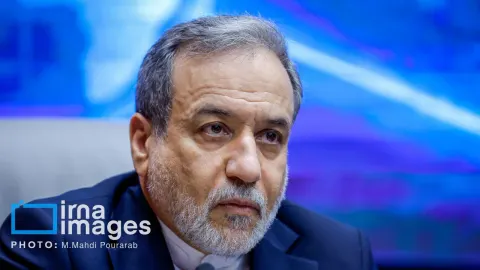
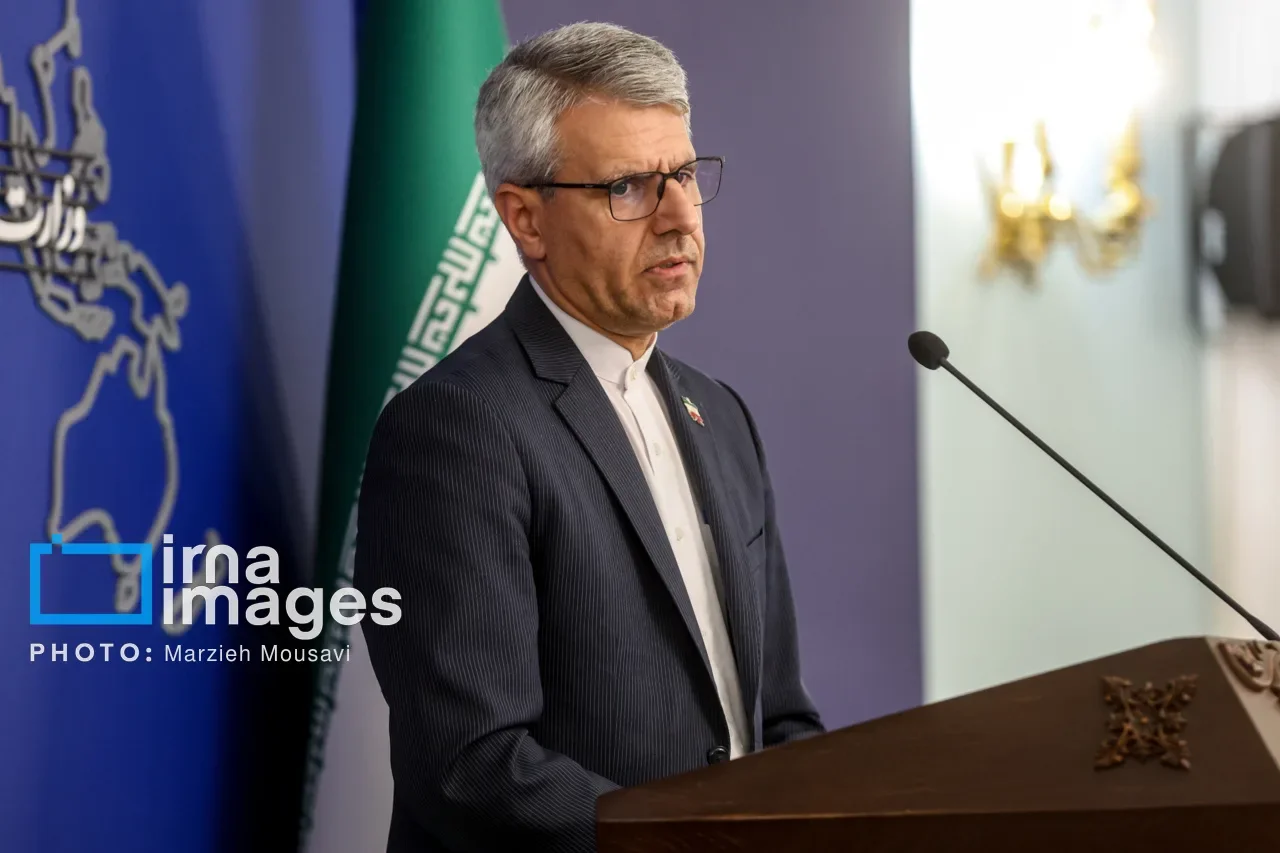
Iranian Foreign Ministry spokesperson Esmaeil Baqaei has delivered a sharp critique of Washington’s current stance, labeling the ongoing US anti-Iran policy as a "bitter joke" and a form of "pure parody." According to reports from IRNA, Baqaei argued that the strategy of intensifying economic pressure has reached a point of diminishing returns, where the rhetoric no longer matches the geopolitical reality on the ground. This statement comes at a sensitive moment as Tehran hosts the 40th International Islamic Unity Conference, an event featuring President Masoud Pezeshkian and over 600 guests from 40 countries, aimed at projecting a sense of regional solidarity despite Western isolation efforts.
For the average Iranian reader, this rhetorical escalation is more than just political theater; it reflects a government attempting to project confidence while the currency remains under immense pressure. At 11:00 Tehran time, the USD sell rate held steady at 200,300 Toman, showing no immediate volatility following the spokesperson's comments. However, the underlying message is clear: the administration is signaling that it will not be swayed by what it characterizes as "economic terrorism," even as it simultaneously engages in back-channel diplomacy to alleviate the very pressures it publicly mocks.
---
Qatar’s High-Stakes Visit and the Energy Market’s Response
While the public rhetoric remains frosty between Tehran and Washington, a significant diplomatic move is unfolding behind the scenes. Qatar’s Prime Minister, Sheikh Mohammed bin Abdulrahman al-Thani, is scheduled to visit Tehran today with a specific mandate: discussing the reopening of the Strait of Hormuz. This critical maritime chokepoint has been a flashpoint for global energy security, and the news of potential de-escalation has immediately impacted global markets. Brent crude fell to $87.46 per barrel, while West Texas Intermediate (WTI) dropped to $81.83, marking a fourth consecutive day of declines as traders price in a lower "war premium."
The success of these talks is vital for the Iranian economy, which relies heavily on the steady flow of maritime trade for its remaining legal exports and essential imports. A reopening or a formal de-escalation agreement would likely provide a psychological floor for the Toman, which has seen its value eroded by regional instability. If Qatar successfully mediates a reduction in naval tensions, we may see a further cooling of the gold market; currently, the Emami coin has already dipped by 0.9% over the last 24 hours, settling at 214,000,000 Toman, reflecting a slight easing of the local 'fear index.'
---
Bitcoin Stalls Near $79k Amid Global Uncertainty
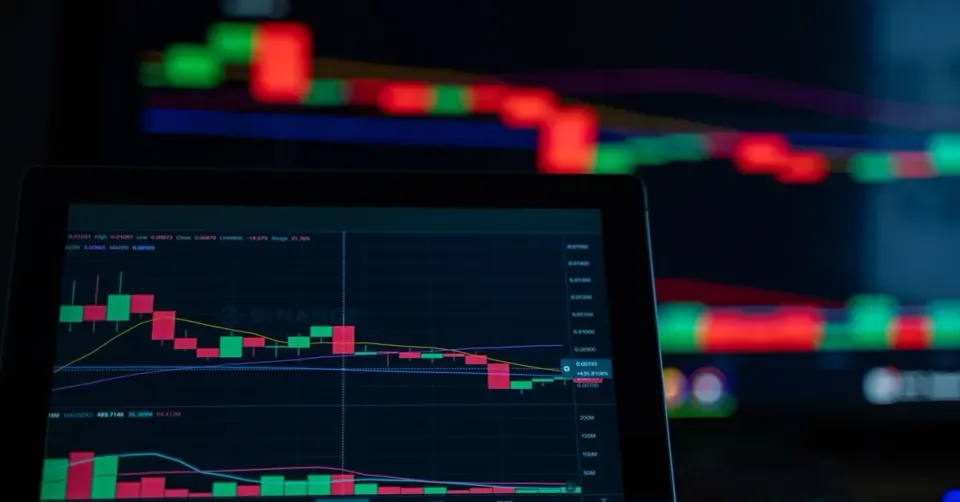
In the digital asset space, Bitcoin’s recent rally has hit a significant psychological and technical barrier. The world’s largest cryptocurrency is currently trading at $78,781, struggling to break the $79,000 level as indecision takes hold of the market. While the weekly gains remain impressive at 14%, the momentum has slowed significantly. This stagnation is largely attributed to a mix of cooling ETF inflows—which dropped to $232 million recently—and a shift in trader sentiment regarding the Federal Reserve's next moves. The market is increasingly wary that persistent inflation might lead to a more hawkish stance from US regulators than previously anticipated.
Beyond the charts, global geopolitical tragedies are also weighing on investor sentiment. In northern France, a car ramming incident in Caen left two dead and ten injured, an event that, while localized, contributes to a broader sense of global fragility. For crypto investors in Iran and abroad, these events reinforce the 'wait-and-see' approach. When traditional markets and geopolitical landscapes are volatile, Bitcoin often serves as a barometer for risk appetite. Currently, that appetite is being tested, and until a clear breakout above $80,000 occurs, the market is likely to remain in this tight, indecisive range.
Frequently Asked Questions
Why did the Iranian Foreign Ministry call US policy a 'parody'?
What is the significance of the Qatari Prime Minister's visit to Tehran?
Why has the price of oil dropped today?
Is Bitcoin expected to break $80,000 soon?
Understanding Economic Sanctions: A Tool of International Pressure
Economic sanctions are a powerful foreign policy tool used by countries or international organizations to influence the behavior of other states, entities, or individuals. Essentially, they involve the imposition of restrictions on economic relations, such as trade, finance, or investment, with the target. The primary goal is often to compel a target to change its policies, cease certain activities (like nuclear proliferation or human rights abuses), or to destabilize its regime, without resorting to direct military intervention. These measures can range from targeted financial penalties against specific individuals or companies to comprehensive embargoes affecting an entire nation's economy.
Sanctions manifest in various forms, including trade embargoes (restricting imports or exports), financial sanctions (freezing assets, limiting access to international banking systems), travel bans, and restrictions on specific sectors like oil or defense. For instance, sanctions against Iran have historically aimed to curb its nuclear program and regional influence, significantly impacting its ability to sell oil globally and access foreign currency. The intent is to create economic hardship that pressures the target government to alter its course, making the cost of non-compliance too high.
However, economic sanctions are a double-edged sword, often carrying significant unintended consequences. While designed to exert pressure, they can also harm the civilian population, leading to humanitarian crises, inflation, and a decline in living standards, as seen with the Toman's exchange rate fluctuations. They can also incentivize the target country to seek alternative trading partners, develop parallel financial systems, or even resort to illicit trade. Furthermore, sanctions can destabilize global markets, such as oil prices, and fuel regional tensions, necessitating diplomatic mediation efforts like those involving Qatar in the Strait of Hormuz to prevent escalation.
The effectiveness of sanctions is a subject of ongoing debate among policymakers and academics. While they can undeniably inflict economic pain and sometimes achieve policy changes, their success often depends on their design, the political will of the imposing entities, and the resilience and adaptability of the targeted state. Ultimately, sanctions are a complex instrument, requiring careful consideration of their direct and indirect impacts, and often necessitating parallel diplomatic efforts to achieve desired outcomes and manage potential crises.