Himalayan Flood Devastation, Ukraine's Drone War, and Bitcoin's $79k Standoff
سیل ویرانگر هیمالیا، جنگ پهپادی اوکراین و توقف بیتکوین در ۷۹ هزار دلار
A catastrophic flood in the Himalayas has left over a thousand missing, while Ukraine's strategic drone strikes deepen Russia's energy crisis. Meanwhile, Bitcoin hovers around $79,000, caught between regulatory scrutiny and geopolitical tensions.
At time of publishing
USD
200,300
Toman
Gold 18K
21.68M
Toman / gram
Bitcoin
$79,611
US Dollar
Tether
199,428
Toman
Himalayan Flood Claims Over a Thousand Lives, Rescuers Scramble
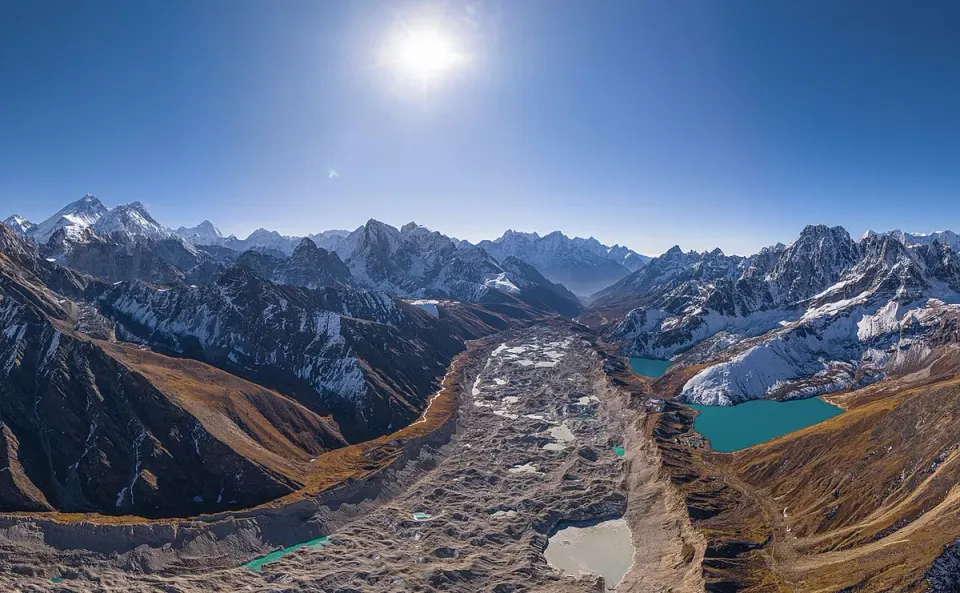
Tragic news is emerging from the Himalayas, where a massive flood triggered by a collapsed glacier has devastated communities in Nepal and China's Tibet region. Official reports confirm at least 180 deaths, with over 1,000 people still missing as rescue efforts intensify. The torrent of mud, ice, and water swept away villages and vital infrastructure, including bridges, cutting off remote areas and complicating rescue operations.
Scientists believe a sudden glacial collapse high in the mountains unleashed the catastrophic event, underscoring the growing threat posed by rapidly melting ice in the region due to climate change. The sheer force of the avalanche pulverized the ice, creating a devastating flood wave that cascaded down the valleys. The immediate focus is on locating survivors and providing aid to those displaced, but the long-term implications for the region's stability and infrastructure are significant.
---
Ukraine's Drone Strikes Escalate, Crippling Russian Oil Infrastructure
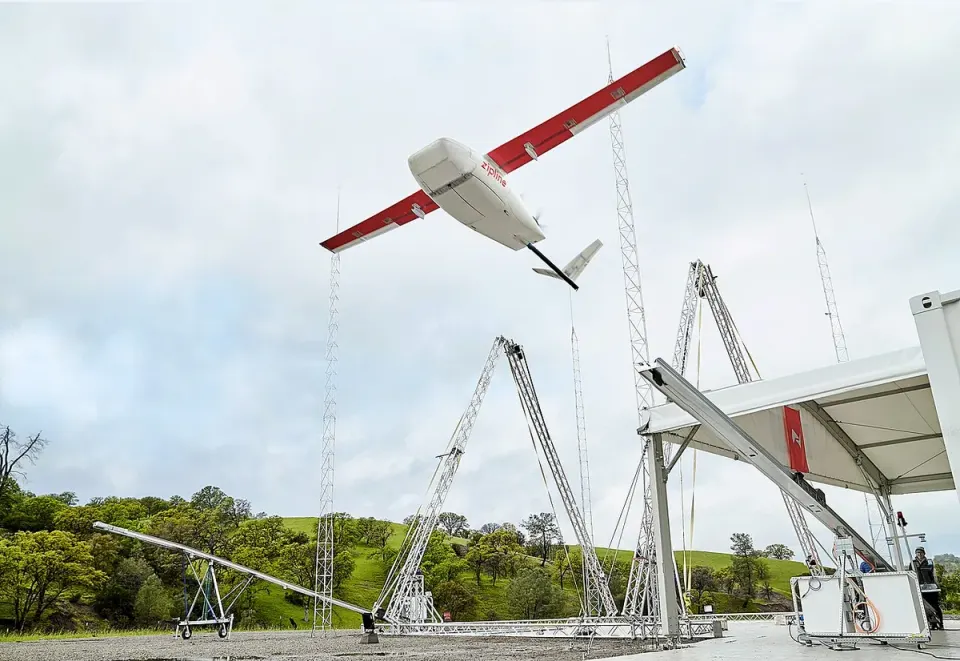
Kyiv's deepening campaign of long-range drone strikes is having a significant impact on Russia's energy sector, forcing the once-dominant oil producer into an increasingly desperate scramble for imports. By targeting refineries and other critical infrastructure, Ukraine is not only raising the economic and military costs of the invasion for Moscow but also directly impacting Russian domestic life and its ability to fund the war.
This strategy aims to bring the consequences of the conflict home to Russia, a crucial element in keeping Ukraine "in this game" as it braces for another harsh winter. As Ukraine faces depleted air defense capabilities, these strikes serve a dual purpose: disrupting Russian war efforts and protecting its own cities and infrastructure. The effectiveness of this asymmetric warfare highlights the evolving nature of modern conflict and its direct link to global energy markets.
---
Bitcoin Hovers Near $79k Amid Regulatory and Geopolitical Crosscurrents
Bitcoin is currently trading around the $79,000 mark, showing a degree of stability after recent volatility. The cryptocurrency's price action is being closely watched by analysts, with a significant cluster of long-term holders near the $81,000-$86,000 range presenting a key technical hurdle. Overcoming this level could pave the way for Bitcoin to challenge its January highs.
Market sentiment appears to be influenced by a confluence of factors, including ongoing discussions around U.S. regulations and persistent geopolitical tensions in the Middle East. While inflows into U.S. spot Bitcoin ETFs have slowed from their recent peak, they remain substantial, indicating continued institutional interest. The digital asset market is navigating these complex dynamics, with investors weighing the potential for further price appreciation against regulatory uncertainties and broader global instability.
Watch
Over 1,300 missing after floods on Nepal-China border due to glacier collapse
Associated Press
Frequently Asked Questions
What is the current death toll from the Himalayan flood?
How are Ukraine's drone strikes affecting Russia?
What is the key price resistance for Bitcoin currently?
What factors are influencing Bitcoin's price around $79,000?
What caused the Himalayan flood?
Understanding Geopolitics in a Volatile World
Geopolitics is the study of how geography—including physical features, population distribution, and resource locations—influences politics and international relations. It provides a crucial lens through which to understand the complex interplay of power, territory, and economics on the global stage, revealing why nations act as they do and how seemingly disparate events are often interconnected.
The ongoing conflict in Ukraine is a prime example of geopolitical forces at play. Russia's strategic interests in its borders, energy resources (like oil and gas pipelines), and access to warm-water ports have long shaped its foreign policy. The war has not only reshaped regional alliances but also triggered a global energy crisis, demonstrating how a localized conflict, fueled by geographical imperatives and resource control, can send ripple effects through international markets and political landscapes.
Beyond direct conflicts, geopolitics also helps explain the broader implications of events like natural disasters or the behavior of financial assets. A devastating flood in the Himalayas, for instance, can exacerbate resource scarcity, trigger migration, and potentially lead to regional instability, drawing in international aid and political maneuvering. Similarly, the volatility of cryptocurrencies like Bitcoin can be influenced by geopolitical tensions, as investors seek alternative assets during times of economic uncertainty or political upheaval, reacting to shifts in global power dynamics.
In an increasingly interconnected world, understanding geopolitics is essential for making sense of daily headlines that often present a mosaic of seemingly unrelated events. It allows us to connect the dots between a regional conflict, a natural catastrophe, and fluctuations in global markets, providing a deeper comprehension of the underlying forces that shape our collective future.