French Election Candidates Face Economic Scrutiny Amid Global AI Surge
نامزدهای انتخابات فرانسه در بحبوحه جهش جهانی هوش مصنوعی با فشار اقتصادی روبرو هستند
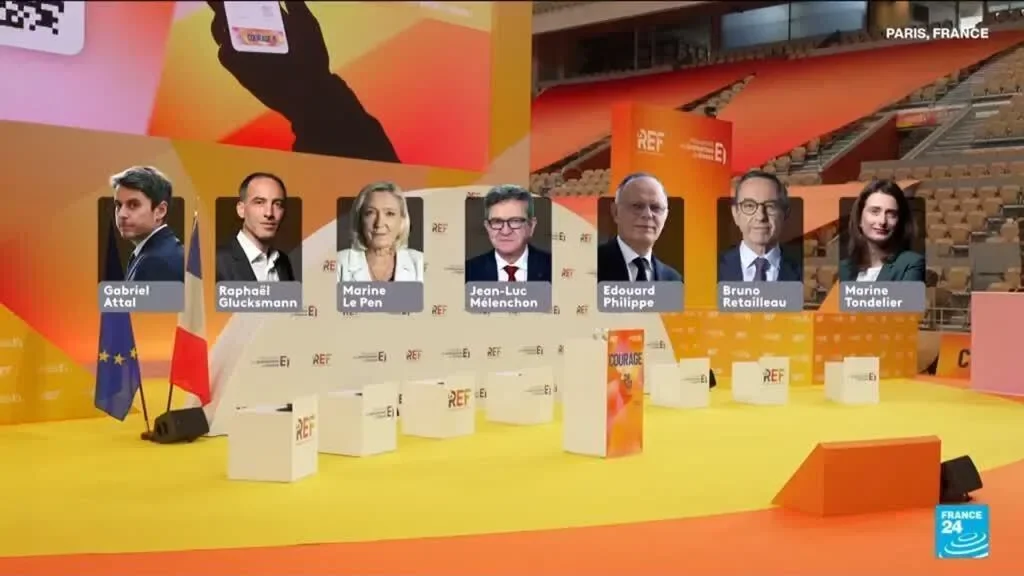
French presidential hopefuls are set to face tough economic questioning from business leaders today, as global markets react to Nvidia's stellar earnings and continued ETF inflows for Bitcoin. Meanwhile, the CIA reportedly warns Russia against NATO aggression, hinting at broader geopolitical tensions that could impact global trade and stability.
At time of publishing
USD
200,300
Toman
Gold 18K
21.67M
Toman / gram
Bitcoin
$79,671
US Dollar
Tether
200,895
Toman
French Candidates Face Economic Gauntlet at Medef Summit
France's leading presidential candidates are under the spotlight today at the Medef employers federation's annual conference, where they will be pressed by business leaders on their economic platforms. Key issues on the agenda include taxation, regulatory burdens, reindustrialization strategies, and the nation's substantial public debt, which now exceeds 3.5 trillion euros. This grilling comes at a critical juncture for the French economy, with businesses seeking clear direction and stability amidst global economic uncertainties. The candidates' responses will not only shape domestic policy debates but could also influence investor confidence and France's attractiveness for foreign investment, potentially impacting trade relationships with countries like Iran.
For Iranian businesses and consumers, the economic policies discussed in France hold indirect significance. Shifts in French economic strategy, particularly concerning trade, industrial policy, and fiscal management, can ripple through European markets and influence global demand for goods and services. A more robust or protectionist French stance could alter import/export dynamics, affecting commodity prices and supply chains that Iran also engages with. Furthermore, the overall stability and economic health of major European economies like France are crucial indicators for global market sentiment, which in turn can affect currency valuations and investment flows, including those relevant to the Iranian Toman and gold markets.

---
CIA Warns Russia as Geopolitical Tensions Simmer
Reports indicate that the CIA director issued a stark warning to Russia against attacking NATO countries during a recent visit to Moscow. While the Kremlin has dismissed these reports as "scare stories" lacking factual basis, the underlying message underscores the persistent geopolitical friction between Russia and the Western alliance. This high-stakes communication highlights the fragility of the current international security landscape, particularly in the context of ongoing conflicts and strategic maneuvering. The Pentagon's policy chief is also slated to meet with the NATO secretary general, signaling continued high-level engagement on these critical security matters.
The implications of these geopolitical tensions extend far beyond NATO borders. For global markets, such warnings and counter-dismissals contribute to an atmosphere of uncertainty, potentially impacting energy prices, trade routes, and investor risk appetite. Any escalation or miscalculation could disrupt crucial supply chains and lead to volatility in financial markets worldwide. For Iran, heightened tensions between major global powers can indirectly influence its own strategic calculations, its relationships with neighboring countries, and the effectiveness of international sanctions. It also reinforces the importance of maintaining stable diplomatic channels and managing regional security dynamics carefully.

---
Nvidia Earnings Boost Tech Stocks and Bitcoin; AI's Market Dominance Continues
Nvidia's latest earnings report has sent shockwaves through the technology sector, with its shares surging by 8% and lifting broader tech stocks, including Bitcoin. The company's strong performance and optimistic outlook confirm the ongoing surge in AI infrastructure demand and underscore Nvidia's pivotal role in this burgeoning field. This positive sentiment has also translated into sustained inflows for spot Bitcoin ETFs, which have now recorded their longest streak of net inflows since April, with August poised to be a strong month for the cryptocurrency. Ether ETFs are also reportedly mirroring this trend.
The sustained strength in tech stocks, particularly driven by AI advancements, has a significant, albeit sometimes indirect, effect on markets relevant to Iran. The rally in Bitcoin and the positive performance of tech giants like Nvidia can influence global investor sentiment and capital flows. For Iranian investors and observers, this reinforces the narrative of technology and digital assets as significant market drivers. While direct investment might be limited, the global surge in digital asset valuations and the increasing integration of AI into financial markets provide valuable context for understanding broader economic trends and potential future opportunities or challenges for economies navigating the digital transformation.

---
Canada Considers F-35 Deal Amid US Tariff Concerns
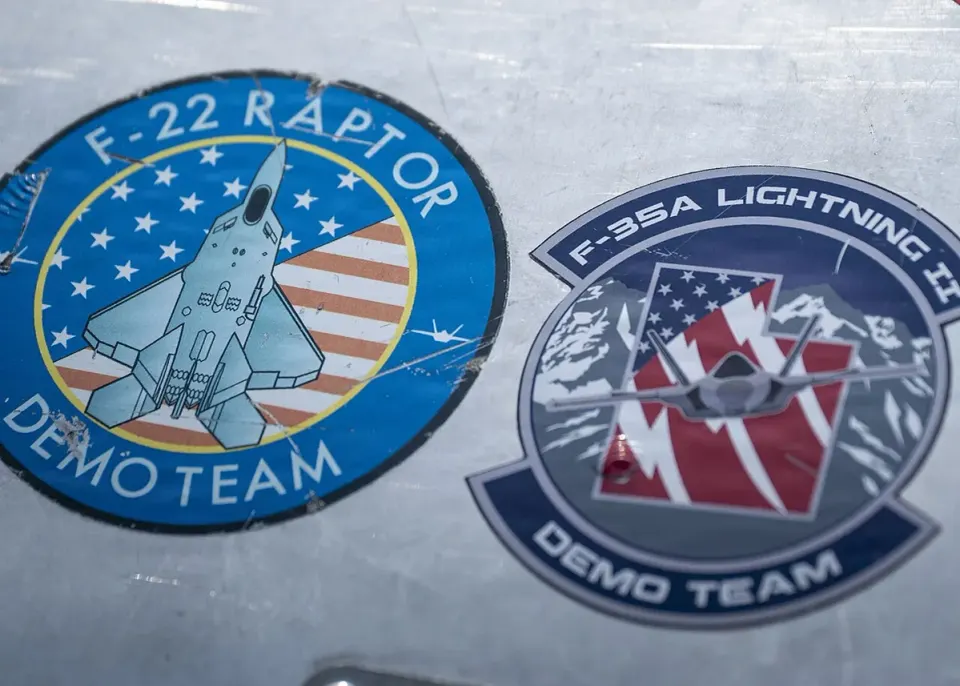
Canada is reportedly re-evaluating its commitment to purchasing F-35 fighter jets from the United States, with some provincial leaders questioning the economic sense of the deal in light of President Trump's recent tariffs. The review of the potential acquisition of up to 88 F-35s is ongoing, and concerns are mounting that buying American military hardware could be economically disadvantageous given the current trade climate. This discussion highlights the complex interplay between defense procurement, international trade policy, and national economic interests.
The Canadian debate over the F-35 purchase, influenced by US trade policy, underscores how geopolitical and economic decisions in one major nation can have cascading effects. For Iran, understanding these international trade dynamics is crucial. Shifts in defense spending or trade policies among major economies can alter global demand for resources, impact currency exchange rates, and influence the effectiveness of economic sanctions. A more protectionist stance by the US, as indicated by Trump's tariffs, could lead to retaliatory measures or strategic realignments by other countries, potentially creating new openings or challenges for Iran's own economic engagement with the world.
Watch
Presidential candidates to be grilled on economy at French business summit • FRANCE 24 English
FRANCE 24 English
Frequently Asked Questions
What are the main economic issues French presidential candidates are facing?
What is the significance of the CIA's reported warning to Russia?
How are Nvidia's earnings affecting the market?
Why is Canada reconsidering the F-35 deal?
What is the indirect impact of these global events on Iran?
Technological Sovereignty: Navigating the Digital Geopolitical Landscape
In an era defined by rapid technological advancement and increasing geopolitical competition, the concept of Technological Sovereignty has emerged as a crucial concern for nations worldwide. It refers to a country's ability to control its own digital infrastructure, data, and critical technologies, ensuring its independence from foreign actors in areas vital for economic stability, national security, and democratic governance. As global AI surges forward, powered by companies like Nvidia, and digital assets like Bitcoin challenge traditional financial systems, understanding this concept becomes paramount for any curious reader.
Technological sovereignty is not about isolation, but about resilience and strategic autonomy. It encompasses a nation's capacity to develop, regulate, and secure its own technological ecosystem, reducing dependence on external powers for essential hardware, software, and data services. This becomes particularly relevant when considering the economic scrutiny faced by French election candidates, as they must articulate how they plan to foster domestic innovation, protect critical infrastructure, and safeguard citizen data in a world where technology is increasingly a battleground for influence.
The interplay between technology and geopolitics is stark. The keywords mentioning the CIA, Russia, and NATO underscore how technological prowess and control are central to modern power dynamics. A nation's ability to secure its networks against cyber threats, control the flow of information, and develop cutting-edge technologies like AI independently, directly impacts its standing and security alliances. For instance, reliance on foreign-controlled AI infrastructure could pose significant national security risks, making technological sovereignty a key pillar of strategic defense.
Furthermore, the rise of decentralized technologies such as Bitcoin introduces new dimensions to national sovereignty, particularly concerning financial control and regulation. While Bitcoin operates globally, governments grapple with how to integrate or regulate such digital assets without ceding control over their monetary systems or exposing themselves to illicit financial flows. Thus, from the foundational chips made by companies like Nvidia to the abstract value of cryptocurrencies, technological sovereignty is a multifaceted challenge that requires comprehensive national strategies to ensure a country's future prosperity and security.