US Carrier Departs Middle East After 250 Days as Hormuz Shipping Ticks Up Amid Diplomatic Push
خروج ناو هواپیمابر آبراهام لینکلن از منطقه و افزایش ترافیک دریایی در تنگه هرمز همزمان با تلاشهای دیپلماتیک
The USS Abraham Lincoln is heading to Thailand for crew recuperation after a record-breaking 250-day deployment against Iran, while new data shows a slight uptick in Strait of Hormuz traffic. Meanwhile, financial disclosures reveal Donald Trump sold major oil stocks just hours before an Iran ceasefire announcement, sparking market scrutiny.
At time of publishing
USD
201,500
Toman
Gold 18K
21.70M
Toman / gram
Bitcoin
$80,597
US Dollar
Tether
199,736
Toman
The Long Watch Ends: USS Abraham Lincoln Rotates Out
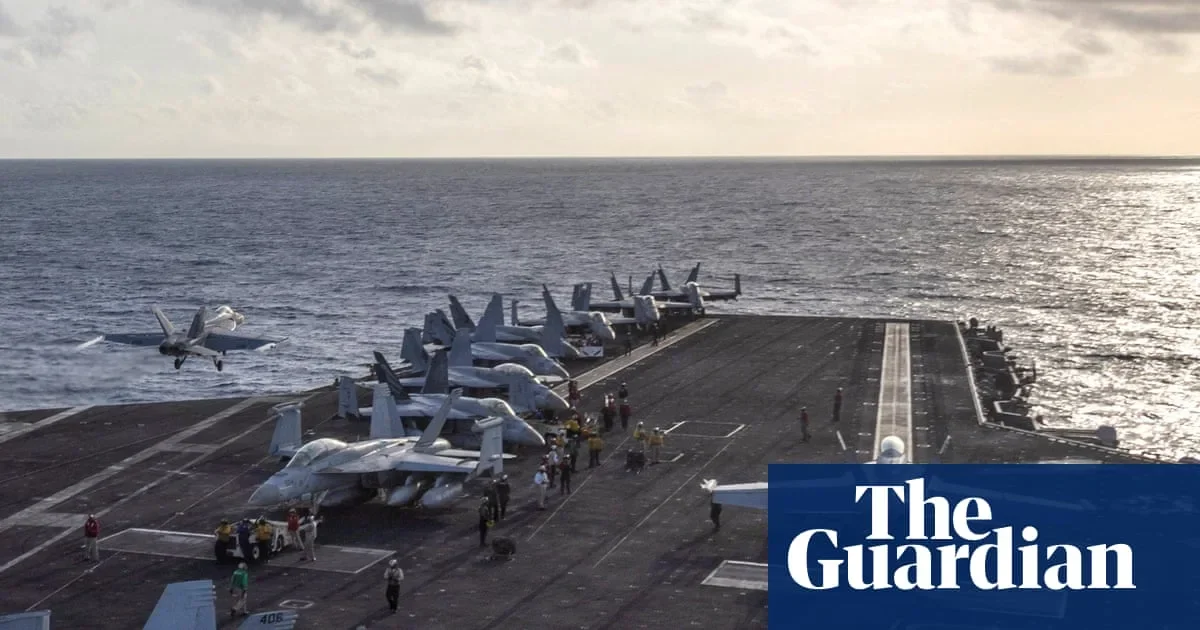
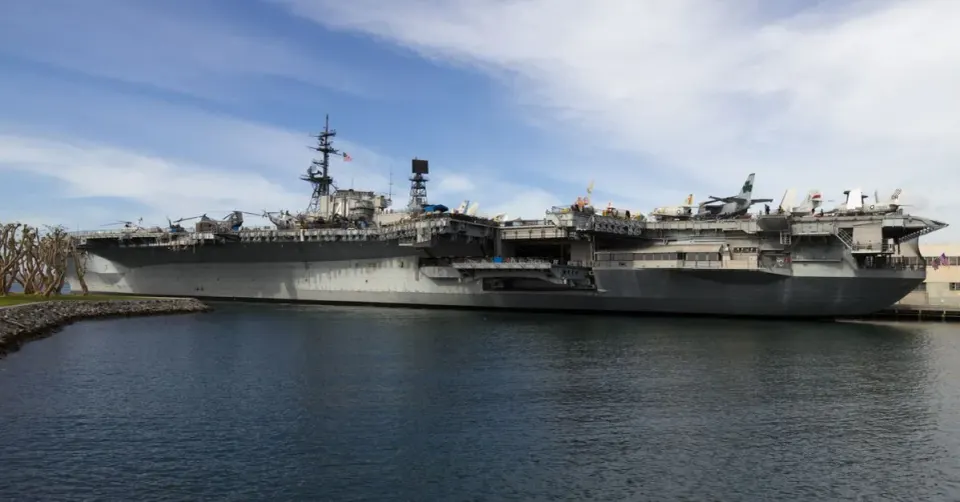
After more than 250 consecutive days at sea—a deployment marked by high tension and strategic posturing against Iran—the USS Abraham Lincoln aircraft carrier has finally departed the Middle East. The vessel is currently en route to a port visit in Thailand, where Thai navy officials confirmed the crew will rest and recuperate. This move comes amid persistent reports of declining morale and challenging living conditions onboard, exacerbated by the sheer length of the mission without traditional port breaks. The Lincoln’s departure is not a vacuum of power, however, as it has been relieved by the USS George Washington, ensuring the United States maintains its carrier presence in the region.
For the Iranian markets and regional observers, this rotation is a significant signal. While the replacement carrier maintains the status quo of 'maximum pressure' or deterrence, the physical departure of a battle group that has been the face of US naval power for nearly nine months provides a psychological breather. Historically, such rotations can lead to temporary fluctuations in the perceived risk premium of the Iranian Toman, which saw a modest 0.5% increase today, moving from 200,400 to 201,500. The transition suggests a continuation of the current 'controlled tension' rather than an immediate escalation, allowing the Pezeshkian administration some room for diplomatic maneuvering.
---
Hormuz Traffic Rises as Diplomacy Takes Center Stage
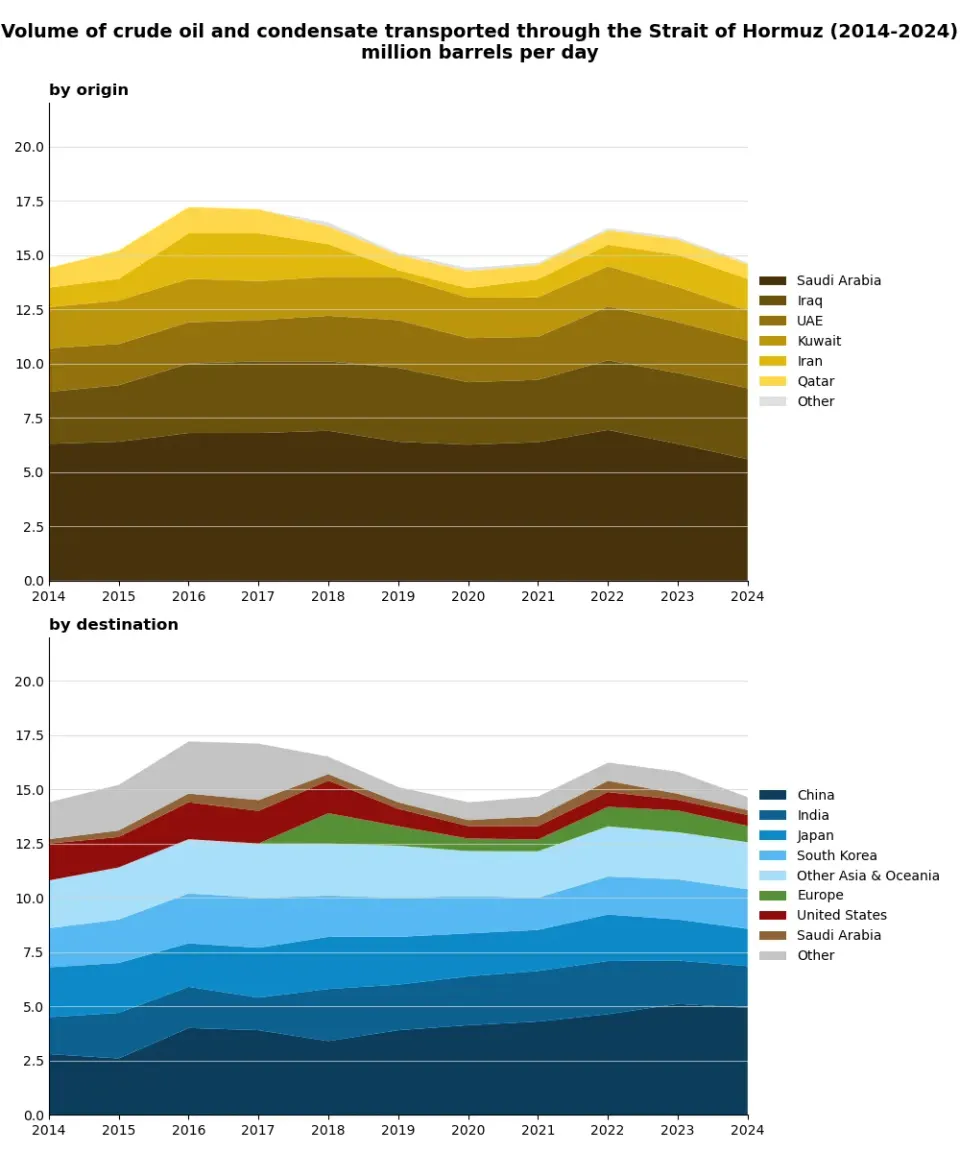
New data from Kpler indicates a slight but notable uptick in commodity vessel traffic through the Strait of Hormuz. On Wednesday, ten vessels successfully transited the world’s most vital oil chokepoint, up from eight the previous day. While this remains below the 10-day average of 15 vessels, the increase coincides with a fresh diplomatic push to establish temporary maritime corridors. These discussions aim to de-escalate the naval friction that has characterized the past several months, potentially reopening the Strait to more consistent commercial traffic if regional security guarantees can be met.
This development is crucial for global energy markets and the Iranian economy alike. President Masoud Pezeshkian recently emphasized that no country can secure its interests through "excessive demands," suggesting a preference for interaction over confrontation. If these diplomatic efforts stabilize shipping, we could see a reduction in the insurance premiums that currently inflate the cost of Iranian exports. For now, gold prices in Tehran remain relatively stable, with 18k gold rising just 0.3% to 21,699,986 Toman per gram, reflecting a market that is cautiously optimistic but waiting for concrete results from the negotiating table.
---
The Trump Oil Scandal: Profits Amidst Ceasefire Talks
Recent financial disclosures have reignited scrutiny over Donald Trump’s financial ties to the energy sector and his foreign policy decisions. Reports indicate that Trump’s investment accounts sold between $500,000 and $1 million of ExxonMobil stock on April 7—the very same day he announced a significant ceasefire in the ongoing Iran conflict. Hours after the sale, Exxon shares opened 6.5% lower, dropping from $163.91 to $153.52. This timing has led to allegations of trading on non-public information, as the ceasefire announcement directly impacted global oil prices and the valuation of major energy firms like Chevron and ConocoPhillips.
For investors, this story highlights the extreme volatility of 'geopolitical trading.' The intersection of US domestic politics and Middle Eastern conflict continues to be a primary driver for asset prices. In the crypto space, Bitcoin remains a popular hedge against such unpredictability, currently testing the $80,597 mark. The revelation of these stock trades underscores how closely tied the fortunes of global oil giants are to the diplomatic rhetoric coming out of Washington and Tehran. As the US election cycle nears, such disclosures may influence how the public perceives the 'deal-making' prowess often touted by the former president.
---
National Pride: Iran Secures World Title in Earth Science
Amidst the heavy geopolitical and economic news, the Iranian national team has achieved a significant academic victory at the 19th International Earth Science Olympiad (IESO) in Turin, Italy. The team secured a world title, bringing home two silver and six bronze medals. This performance highlights the continued strength of Iran’s scientific education system despite the broader economic challenges and international isolation faced by the country. Such achievements often serve as a point of national unity and a reminder of the human capital that exists within the country beyond the headlines of sanctions and naval movements.

From a long-term perspective, these scientific successes are vital for the country's development in sectors like geology, environmental management, and natural resource extraction—all of which are pillars of the Iranian economy. While the immediate impact on the USD/IRR rate is negligible, the development of a highly skilled workforce is essential for any future economic recovery. It provides a counter-narrative to the 'brain drain' often discussed in Iranian media, showing that top-tier talent is still being cultivated and recognized on the global stage.
Frequently Asked Questions
Why did the USS Abraham Lincoln leave the Middle East after such a long stay?
How does the increased traffic in the Strait of Hormuz affect the Iranian Toman?
What is the significance of Donald Trump's ExxonMobil stock sale?
The Geopolitical and Economic Significance of the Strait of Hormuz
The Strait of Hormuz is arguably the world's most critical oil chokepoint, a narrow, strategically vital waterway connecting the Persian Gulf to the Arabian Sea and subsequently the global oceans. Bordered by Iran to the north and Oman's Musandam Governorate to the south, its narrowest point is just 21 nautical miles (39 km) wide. Despite its modest size, this strait serves as the sole maritime passage for a substantial portion of the world's crude oil and liquefied natural gas (LNG) exports, making it indispensable for global energy markets.
Economically, the Strait's importance cannot be overstated. Roughly one-fifth of the world's total petroleum consumption, and about one-third of all seaborne traded oil, passes through this strait daily. This includes oil from major producers like Saudi Arabia, Iran, UAE, Kuwait, and Iraq. Any disruption, even a temporary one, can send shockwaves through international oil prices, impact global supply chains, and trigger significant economic instability worldwide, highlighting its pivotal role in global energy security.
This immense economic significance naturally translates into profound geopolitical importance, making the Strait of Hormuz a frequent flashpoint for international tensions. The presence of naval forces, such as the USS Abraham Lincoln mentioned in the headline, underscores the commitment of global powers to ensure freedom of navigation through this vital channel. Historical incidents and ongoing regional rivalries, particularly between Iran and its neighbors or Western powers, often revolve around the Strait's security, turning it into a barometer of Middle East stability. Diplomatic efforts, like the "diplomatic push" referenced, are crucial for de-escalating potential conflicts and maintaining the unimpeded flow of global energy supplies.