Trump Renames Lake Ontario 'Lake America' as Trade War with Canada Flares; US Navy Budget Strained by Iran Tensions
تغییر نام دریاچه انتاریو به «دریاچه آمریکا» توسط ترامپ؛ فشار بودجهای نیروی دریایی آمریکا بر اثر تنش با ایران
President Trump has escalated a trade war with Canada by symbolically renaming Lake Ontario, while new reports suggest US military spending in the Middle East is reaching a breaking point. Meanwhile, investors question SpaceX's $100 billion funding gap and a rare malaria outbreak hits Frankfurt airport.
At time of publishing
USD
201,500
Toman
Gold 18K
21.71M
Toman / gram
Bitcoin
$79,865
US Dollar
Tether
200,000
Toman
The Great Lakes Rebranding: Trump’s Symbolic Strike Against Canada
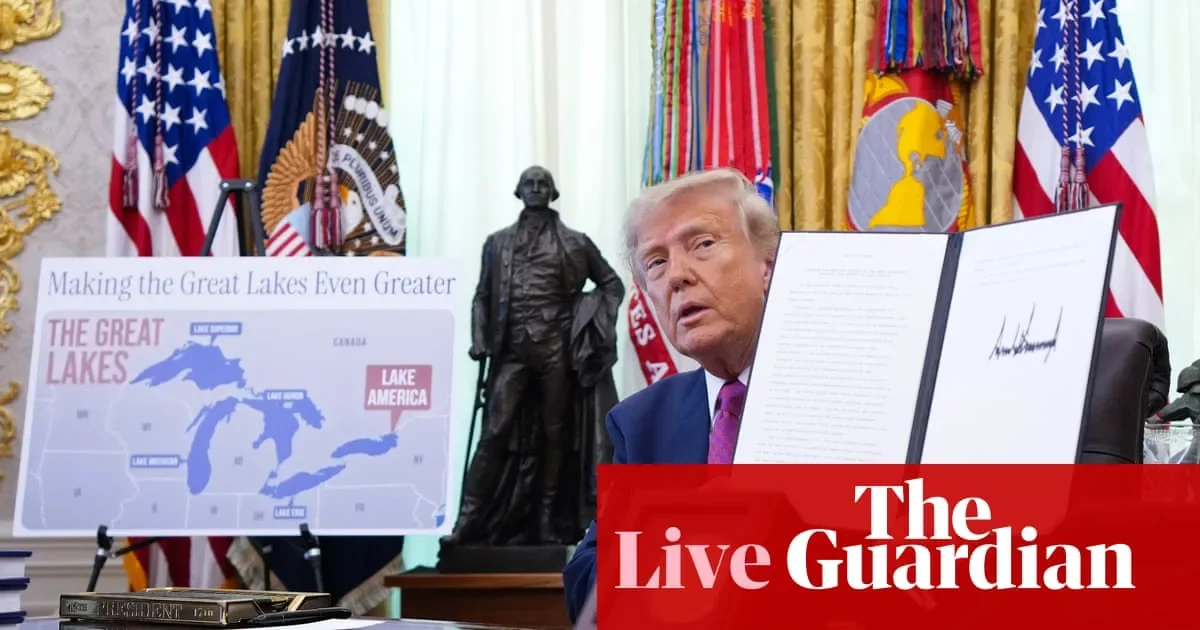
In a move that has stunned diplomatic circles and delighted his domestic base, President Donald Trump signed an executive order on Thursday to officially rename Lake Ontario as "Lake America." This largely symbolic gesture is the latest salvo in an intensifying trade war with Canada, Washington's northern neighbor and long-time ally. The decision comes on the heels of a contentious proclamation that suspended higher tariffs on 300,000 metric tons of foreign beef imports for 90 days—a move Trump claims will lower grocery costs for Americans before the midterms, but one that has drawn fierce criticism from Republican cattle ranchers who fear a market collapse.
Beyond the name change, the geopolitical implications are becoming increasingly expensive for the United States. Internal reports suggest that the "war on Iran" policy—characterized by heavy naval deployments and constant surveillance in the Persian Gulf—is rapidly draining the U.S. Navy's budget. This fiscal strain is forcing the administration to make difficult choices between domestic subsidies and overseas military posture. For Iranian observers, this indicates a potential limit to the U.S. Navy's long-term endurance in the region, as domestic economic pressures like the beef tariff backlash force the White House to pivot toward populist economic measures at the expense of global military hegemony.

SpaceX’s $100 Billion Spaceport Ambition Faces Investor Skepticism
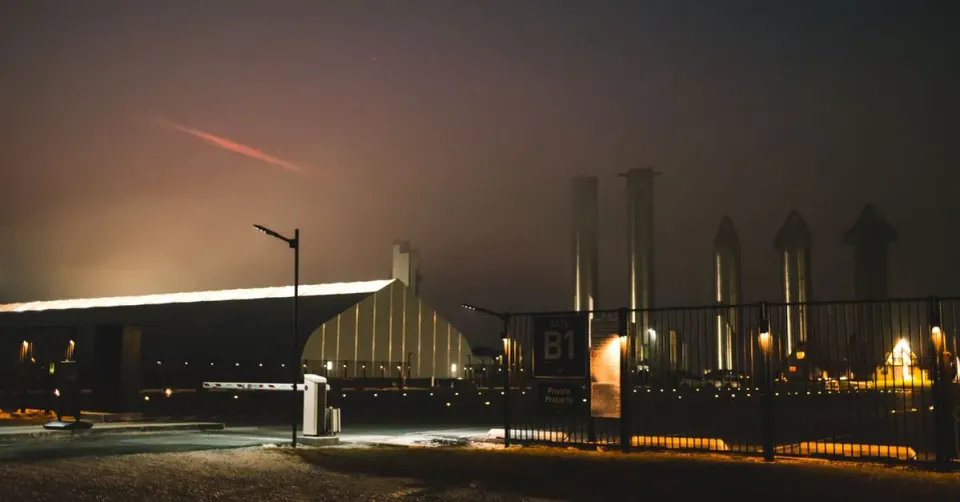
Elon Musk’s SpaceX is once again pushing the boundaries of corporate finance with a proposed $100 billion plan for a massive new spaceport infrastructure. However, the sheer scale of the project has left institutional investors asking a blunt question: where is the money coming from? Analysts suggest that the company will need to raise a staggering amount of debt to fund these ambitions, a risky move in a global economy where interest rates remain stubbornly high. While SpaceX has dominated the commercial launch market, the transition from a rocket company to a global infrastructure provider requires capital that even the world's most valuable private company may struggle to secure without significant government backing.
This funding gap is reflective of a broader trend in the high-tech and aerospace sectors, where the "AI boom" is competing for the same pool of capital. As Bitcoin hovers near $79,865 and gold prices remain elevated at $4,603 per ounce, investors are increasingly wary of long-term, high-risk capital expenditures. For the global markets, a failure or a significant delay in SpaceX's funding could signal a cooling period for the "frontier tech" bubble, potentially shifting focus back to more stable commodities or liquid assets like cryptocurrency, which has seen renewed demand as a hedge against traditional industrial volatility.
'Airport Malaria' and the Shadow of Banking Scandals
In a terrifying reminder of global biological vulnerability, German health officials reported that two airport workers in Frankfurt have died from malaria, likely spread by a mosquito that hitched a ride on an international flight. This phenomenon, known as "airport malaria," occurred despite the rigorous disinfection protocols standard at major European hubs. While four other employees recovered, the incident has sparked calls for enhanced cyber and physical defenses at airports, especially as companies like Google and OpenAI warn that AI-driven biological and cyber threats are becoming more sophisticated by the month.
Meanwhile, the financial world is grappling with the ghosts of its past. Jes Staley, the former boss of Barclays, has once again denied salacious allegations regarding his relationship with the late Jeffrey Epstein during a closed-door testimony with U.S. lawmakers. The release of these transcripts, which include denials of bizarre sexual encounters, highlights the ongoing reputational risk facing major Western financial institutions. On a more optimistic note for consumers, the fashion startup Atorie recently raised $9.5 million with a mission to disrupt the luxury market by offering high-end goods directly from the same factories used by top brands, but without the massive markups—a move that could pressure traditional luxury conglomerates in a tightening global economy.

Market Pulse: Toman and Gold Stability Amid Global Shifts
In the domestic Iranian market, the US Dollar has shown a slight upward trend, moving from 200,400 Toman to 201,500 Toman, a 0.5% increase over the last 24 hours. This modest rise reflects the ongoing geopolitical uncertainty in the Strait of Hormuz, where Qatar is currently attempting to mediate between Tehran and Washington to prevent a further escalation of hostilities. Gold prices in Tehran followed a similar trajectory, with 18k gold rising from 21,626,113 to 21,711,528 Toman per gram (+0.4%), while the Emami coin remained stagnant at 216,000,000 Toman.
The cryptocurrency market remains the outlier in terms of growth potential, with Bitcoin (BTC) currently trading at $79,865. The recent rally in mining equities, which have outperformed even some AI stocks, suggests that the market is beginning to price in a long-term bull cycle for digital assets. For Iranian investors, the stability of the USDT around the 200,000 Toman mark provides a reliable entry point into the crypto space, even as traditional fiat and gold markets experience the slow grind of inflation and regional tension.
Frequently Asked Questions
Why did Trump rename Lake Ontario to Lake America?
How is the US Navy budget affected by tensions with Iran?
What is 'Airport Malaria' and why did it happen in Germany?
Is SpaceX actually in financial trouble with its $100B plan?
Understanding Trade Wars: How Tariffs Shape International Relations
A trade war occurs when two or more countries impose escalating tariffs or other trade barriers on each other's goods in an effort to gain a competitive advantage or to pressure policy changes. Tariffs are taxes on imports, while quotas limit the quantity that can enter a market. When one side raises a tariff, the other typically retaliates with its own measures, creating a spiral that can quickly spread beyond the original dispute.
The economic logic behind a trade war is often rooted in protectionism—the desire to shield domestic industries from foreign competition. Politicians may also use tariffs as a bargaining chip to achieve broader strategic goals, such as forcing a rival to alter its behavior on unrelated issues. The most cited modern example is the U.S.–China trade war that began in 2018, where both nations slapped billions of dollars in duties on each other's products, disrupting global supply chains.
While tariffs can generate short‑term revenue for governments, the broader impact is usually negative. Higher import costs are passed on to consumers, reducing purchasing power, and domestic producers may face higher input prices for foreign components. Retaliatory measures can shrink export markets, leading to lower output and job losses in affected sectors. Empirical studies show that large‑scale trade wars tend to lower overall GDP growth for the participating economies.
The headline about President Trump renaming Lake Ontario "Lake America" reflects how trade tensions can spill over into symbolic gestures and political rhetoric. In 2024, the United States and Canada found themselves at odds over steel and aluminium tariffs imposed by Washington, prompting threats of reciprocal duties and heightened diplomatic friction. Such disputes illustrate that even close allies can quickly slide into a trade war when economic and political interests clash.
To mitigate the fallout, countries can turn to multilateral institutions like the World Trade Organization (WTO) to resolve disputes, negotiate mutually beneficial agreements, or implement safeguards that limit retaliation. Understanding the mechanics of a trade war helps citizens evaluate policy proposals and recognize the broader economic stakes behind headline‑grabbing actions.