UK Police Scandal Erupts as Iran and Oman Open Strategic Shipping Corridor Amid Global Market Volatility
رسوایی بزرگ در پلیس بریتانیا همزمان با گشایش کریدور دریایی ایران و عمان و تلاطم در بازارهای جهانی
A bombshell BBC report exposes systemic vetting failures in the UK police force involving a serial rapist, while Iran and Oman agree to a temporary shipping corridor in the Strait of Hormuz. Meanwhile, Donald Trump’s latest tariff suspensions on beef imports spark domestic backlash as Bitcoin nears the $80,000 milestone.
At time of publishing
USD
201,500
Toman
Gold 18K
21.72M
Toman / gram
Bitcoin
$79,836
US Dollar
Tether
200,300
Toman
The Vetting Crisis: UK Police Under Fire for Institutional Negligence
A devastating investigative report by the BBC has revealed that Alan Greer, a serial rapist police officer, was allowed to pass vetting and remain in service despite multiple high-level warnings. The investigation found that Greer had been under police scrutiny as far back as 2002 and 2005 for making inappropriate and harassing phone calls to women, even receiving a formal police caution. The fact that such a documented history of predatory behavior did not disqualify him from a position of authority has ignited a fierce debate over the integrity of British law enforcement and the catastrophic failure of its internal oversight mechanisms.
This scandal is not merely an isolated incident of misconduct but points to a broader systemic rot within institutional vetting processes. For the public, the revelation that a known offender was given a badge and a uniform undermines the foundational trust required for effective policing. As the UK government faces calls for an independent inquiry, the story serves as a cautionary tale for institutions worldwide about the dangers of administrative complacency. The backlash is expected to lead to a total overhaul of how emergency service personnel are screened, with potential legal ramifications for those who signed off on Greer’s clearance.

Strategic Maneuvers: Iran and Oman Establish Hormuz Shipping Corridor
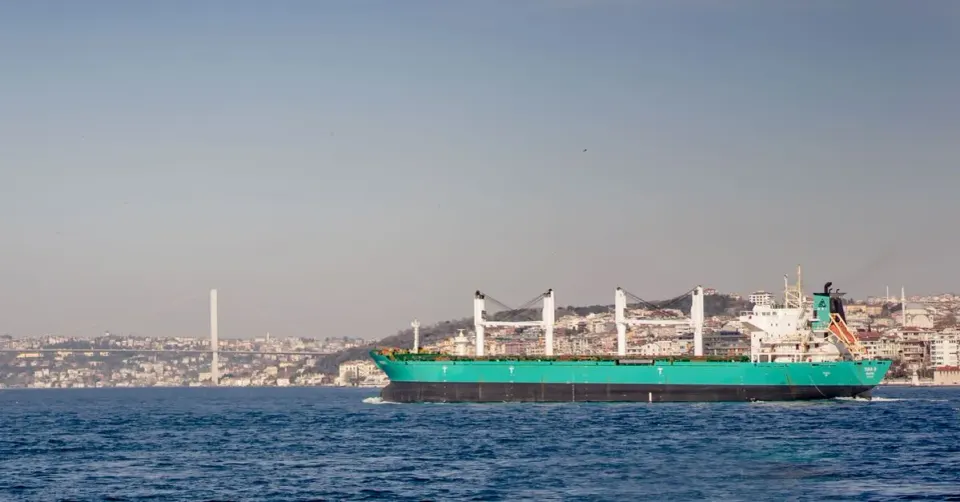
In a significant development for regional maritime security, Major General Mohsen Rezaei, Secretary of Iran’s Supreme National Security Council, has announced a new agreement with Oman to open a temporary shipping corridor through the Strait of Hormuz. This corridor is intended to facilitate the orderly entry and exit of commercial vessels, providing a structured path through one of the world's most congested and geopolitically sensitive chokepoints. The move is seen as a diplomatic effort to de-escalate tensions and provide a degree of certainty to international shipping companies that have been wary of the risks associated with the Persian Gulf.
For the Iranian economy, this agreement with Muscat represents more than just a logistical update; it is a strategic attempt to maintain trade flows under the weight of international sanctions. By securing a cooperative corridor with Oman, Tehran aims to lower the prohibitive insurance costs that currently plague ships docking at Iranian ports. While the "temporary" nature of the corridor suggests it is a response to immediate regional pressures, its success could pave the way for more permanent bilateral maritime frameworks. However, the domestic currency market remains cautious, with the USD sell rate holding steady at 201,500 Toman as traders wait for tangible evidence of increased trade volume.
Global Turbulence: From Australian Corruption to Trump’s Beef Tariffs
Geopolitical instability continues to manifest in diverse ways, from political scandals in Australia to trade shifts in the United States. In Sydney, the Independent Commission Against Corruption (ICAC) heard explosive testimony regarding Charles Perrottet, the brother of a former premier, who allegedly plotted the political downfall of a rival minister with the chilling phrase, "we execute the prick." This inquiry into political hit jobs has rattled the Australian Liberal Party, highlighting the cutthroat nature of internal party politics and the potential for corruption when personal vendettas override public service.
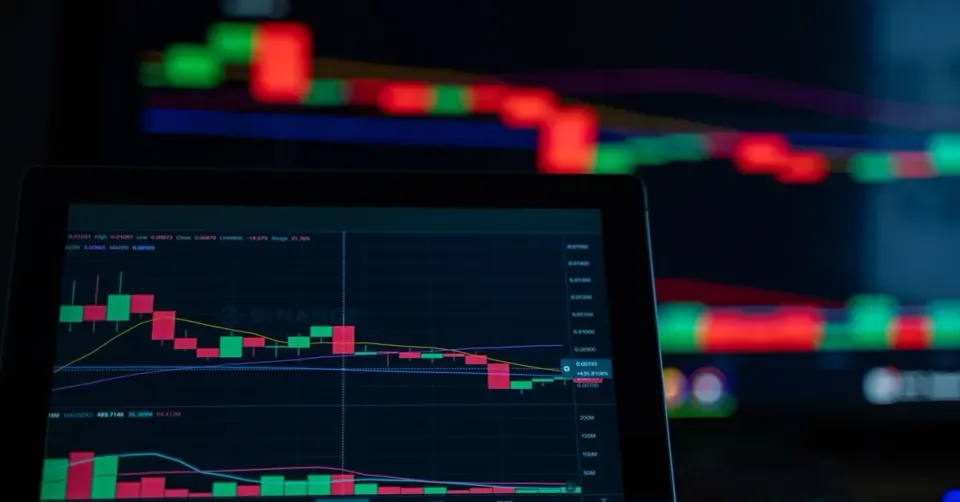
Meanwhile, in the United States, Donald Trump has signed a proclamation suspending higher tariffs on 300,000 metric tons of foreign beef imports for 90 days. The policy is a transparent attempt to curb food inflation and lower grocery bills ahead of the upcoming midterms, yet it has alienated his core agricultural base. Ranchers and livestock organizations argue that this move prioritizes short-term political gain over the long-term stability of the American food supply chain. This economic unpredictability, combined with symbolic controversies like the proposed renaming of Lake Ontario, has driven investors toward safe havens. Gold has hit a remarkable $4,585.30 per ounce, while Bitcoin has surged to $79,836 (+2.0%), as the market hedges against potential policy shocks.
Public Health and Market Snapshots: Ebola and Avian Flu Concerns
On the health front, the Democratic Republic of Congo (DRC) has officially begun vaccinating front-line healthcare workers against the Bundibugyo strain of Ebola. This proactive measure comes as authorities struggle to contain a localized outbreak, emphasizing the ongoing vulnerability of global health systems to viral threats. Simultaneously, in Australia, a dolphin has died from the H5 bird flu, marking a rare cross-species transmission that has forced the evacuation of researchers from sub-Antarctic islands. These biological risks, while seemingly distant from financial markets, contribute to a general atmosphere of global uncertainty that keeps volatility high across all asset classes.
In the Iranian domestic markets, the price of 18-karat gold rose slightly from 21,711,528 to 21,723,071 Toman (+0.1%), reflecting the global upward trend in bullion. The Emami coin remains unchanged at 216,000,000 Toman, suggesting a temporary equilibrium in local demand. As the global community watches the Federal Reserve for signals on future liquidity, the interplay between these public health crises, political scandals, and strategic trade corridors will continue to dictate the rhythm of the global economy throughout the weekend.
Frequently Asked Questions
How will the temporary Iran-Oman shipping corridor affect regional trade?
What were the main failures in the Alan Greer police vetting case?
Why is Trump suspending beef tariffs and what is the market reaction?
Is Bitcoin expected to break the $80,000 resistance level today?
Strategic Shipping Corridors and the Strait of Hormuz
The term strategic shipping corridor refers to a narrow maritime route that carries a disproportionate share of global trade, making it a focal point for both economic activity and geopolitical tension. The Strait of Hormuz, a 21‑nautical‑mile choke‑point between the Persian Gulf and the Gulf of Oman, is one of the world’s most critical corridors: roughly 20% of global oil consumption and a sizable fraction of liquefied natural gas (LNG) pass through it each day. Because the strait is flanked by Iran to the north and the United Arab Emirates and Oman to the south, any disruption can instantly reverberate through energy markets, shipping costs, and even inflation rates worldwide.
In early 2026 Iran and Oman announced a joint strategic shipping corridor that would allow vessels to bypass the narrowest part of the Hormuz passage by using a protected maritime lane east of the strait, coupled with coordinated maritime security patrols. The corridor aims to reduce the risk of accidental or intentional closures—such as those caused by regional conflicts or naval confrontations—while preserving the flow of oil, gas, and container traffic. By providing an alternative route, the initiative also seeks to lower insurance premiums for carriers, which typically spike during periods of heightened tension.
The economic significance of the Hormuz corridor extends beyond energy. According to the International Energy Agency, a full closure of the strait for even a single week could shave $1.5 trillion off global GDP, primarily through higher oil prices and supply chain disruptions. Moreover, the corridor concept illustrates a broader trend in maritime logistics: the creation of redundant pathways to enhance resilience. Similar approaches are being explored in the South China Sea and the Turkish Straits, where nations invest in navigation aids, real‑time traffic monitoring, and diplomatic agreements to keep the arteries of global trade flowing.
For policymakers and business leaders, understanding the mechanics of strategic shipping corridors is essential. It involves not only geography but also international law (the United Nations Convention on the Law of the Sea), naval capabilities, and the economics of risk management. As global markets remain volatile—evidenced by fluctuating commodity prices, sanctions, and even cryptocurrency swings—secure maritime routes like the Iran‑Oman corridor become a linchpin of economic stability.