Six Months of Conflict: Assessing Trump’s Iran Strategy as Hormuz Traffic Falters
شش ماه پس از آغاز جنگ؛ ارزیابی استراتژی ترامپ در قبال ایران و تلاطم در تنگه هرمز
As the conflict reaches the half-year mark, analysts weigh the heavy economic toll on Tehran against Washington’s strategic gains. Meanwhile, a sudden drop in Hormuz tanker traffic and a looming Fed speech keep global markets on edge.
At time of publishing
USD
201,500
Toman
Gold 18K
21.77M
Toman / gram
Bitcoin
$79,758
US Dollar
Tether
199,849
Toman
The Six-Month Milestone: Trump’s Strategy and the Cost of Survival
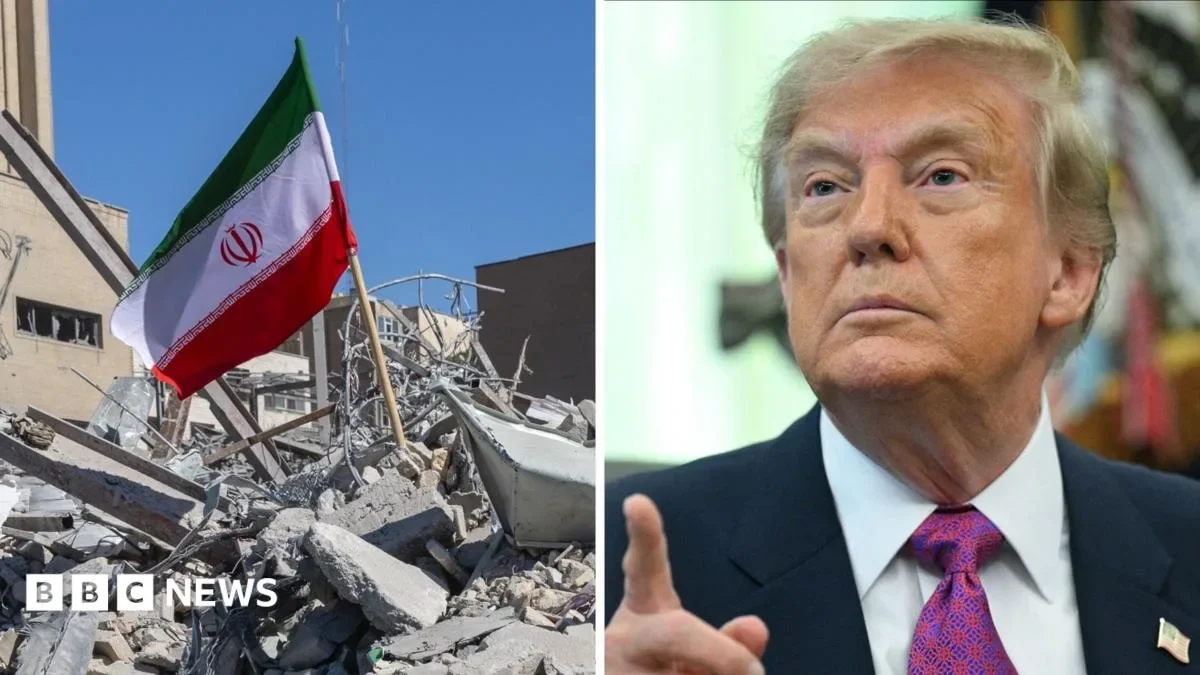
As of late August 2026, the conflict between the United States and Iran has officially crossed the six-month mark. Reports from the BBC and Al Jazeera suggest a complex picture of the current stalemate. From Washington's perspective, the Trump administration argues that its sustained military and economic pressure has successfully degraded the Iranian government's regional influence and forced it into a defensive posture. However, the cost of this strategy remains a point of intense debate. While the U.S. has not achieved a decisive military victory, the cumulative effect of sanctions and targeted strikes has significantly weakened Tehran’s conventional capabilities.
For the Iranian public, the reality is one of increasingly expensive survival. Internal divisions within the leadership are reportedly sharpening as the economic floor continues to sink. Despite the high-intensity geopolitical environment, the domestic currency market has shown a strange, forced stability this morning. The USD sell rate in Tehran is holding at 201,500 Toman, unchanged over the last 24 hours. This stagnation likely reflects heavy-handed market interventions and a lack of liquidity rather than genuine economic confidence. The "maximum pressure" campaign is testing the regime where it is weakest—its ability to provide basic economic security to its citizens.
Hormuz Tanker Traffic Sees Sudden Drop Amid Regional Volatility
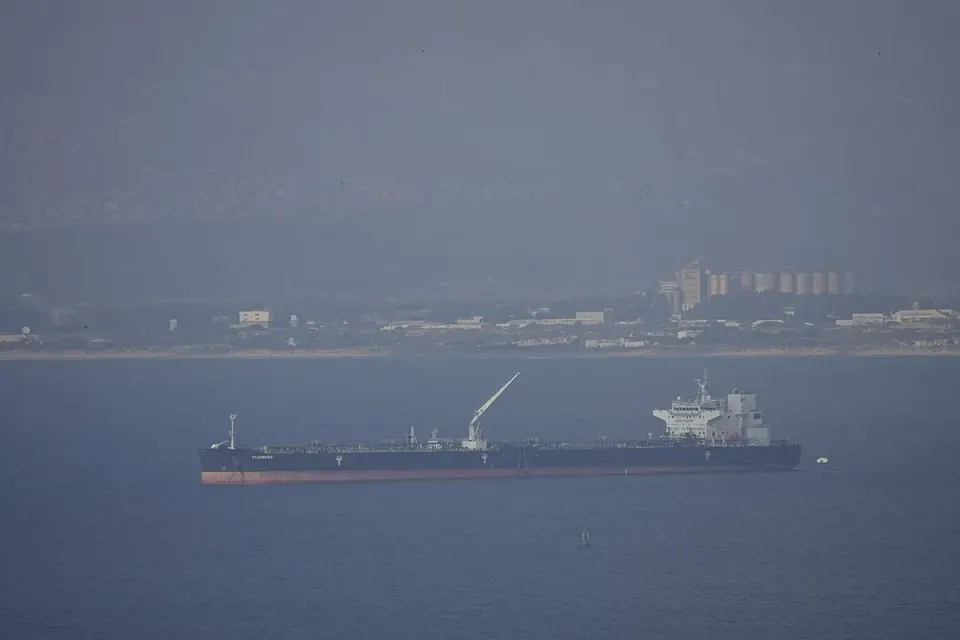
New data from Kpler and Windward reveals a sharp decline in commodity vessel traffic through the Strait of Hormuz. On Thursday, only seven tankers traversed the critical waterway, a significant drop from the 17 vessels recorded just a day prior. This figure sits well below the ten-day average of 15 ships. While oil flows globally have shown signs of recovery, the volatility in the Strait suggests that maritime insurance costs and heightened security risks are forcing shippers to reconsider their routes or wait for safer windows of passage. This localized slowdown comes even as 17 tankers were seen moving through the Bab el-Mandeb Strait, indicating a shift in risk perception across different regional chokepoints.
This disruption in the world’s most vital oil artery is reflected in the slight upward movement of safe-haven assets. Gold 18k in the local market rose from 21,711,528 to 21,773,858 Toman per gram, a 0.3% increase. While the Emami coin remained flat at 216,000,000 Toman, the gold market’s sensitivity to maritime disruptions remains high. Investors are closely watching whether this drop in traffic is a temporary logistical anomaly or a precursor to a new phase of naval escalations that could further restrict global energy supplies.
Bitcoin Steadies Near $80k as Markets Await the 'Warsh Factor'
In the digital asset space, Bitcoin is currently trading at $79,758, hovering just below the psychological $80,000 threshold. The primary focus for global traders is the upcoming Jackson Hole speech by Kevin Warsh. Markets are looking for clues regarding the Federal Reserve's potential support for Treasury buybacks, a move that could have massive implications for long-term yields and the relative strength of the US Dollar. If Warsh signals a more accommodative stance or a pivot toward liquidity support, Bitcoin and gold are expected to be the primary beneficiaries of the resulting dollar weakness.
Locally, the Tether (USDT) price in Toman stands at 199,849, maintaining a slight discount to the physical USD rate. This gap suggests that while institutional demand for crypto remains high globally, local retail sentiment is currently focused on physical assets and immediate liquidity needs. The outcome of the Warsh speech will likely dictate the direction for the remainder of the month, as a break above $80,000 for BTC could trigger a broader rally in altcoins like Solana, which has already shown resilience by leading major gains in the last 24 hours.
Geopolitical Shifts: Norway’s Succession and Pentagon Legal Battles
Beyond the Middle East, the death of Norway’s King Harald V at the age of 89 has introduced a new layer of European instability. The succession of Crown Prince Haakon is being overshadowed by renewed scrutiny of Crown Princess Mette-Marit’s past associations with Jeffrey Epstein. As Norway is a critical energy provider to Europe and a key NATO ally, any domestic political turmoil regarding the monarchy could have ripple effects on European diplomatic unity. The palace has confirmed the King passed away peacefully at Oslo University Hospital, but the "stormy succession" predicted by analysts suggests the royal family faces a difficult transition.

Simultaneously, a significant legal battle is unfolding in the United States. A federal judge recently blocked the Pentagon's attempt to blacklist the AI firm Anthropic, calling the designation of the company as a security risk "illegal and baseless." This follows a separate lawsuit by three journalists who allege they were illegally fired from the military news outlet Stars and Stripes after reporting on the USS Abraham Lincoln. These cases highlight a growing friction between the U.S. defense establishment and independent entities—both in tech and media—as the administration pushes for tighter control over information and supply chains during the ongoing conflict.
Frequently Asked Questions
How has the six-month conflict impacted the Toman's value?
Why did tanker traffic in the Strait of Hormuz drop so sharply?
What is the 'Warsh Factor' affecting Bitcoin and Gold?
Understanding Strategic Chokepoints: The Case of the Strait of Hormuz
In the intricate web of global trade and geopolitics, certain geographical features hold disproportionate strategic importance, often referred to as "chokepoints." These are narrow channels or passages along critical maritime routes, through which a large volume of international trade, particularly energy resources, must pass. Their strategic value lies in the fact that their disruption, whether due to conflict, piracy, or natural disaster, can have immediate and far-reaching economic and political consequences globally. Understanding these chokepoints is crucial for comprehending international relations and energy security.
The Strait of Hormuz stands as perhaps the most prominent example of a strategic chokepoint. This narrow waterway, connecting the Persian Gulf to the Arabian Sea and then to the broader Indian Ocean, is globally vital for oil transit. Roughly one-fifth of the world's total petroleum liquids consumption and one-third of the world's liquefied natural gas (LNG) pass through this strait daily. Countries like Saudi Arabia, Iran, Iraq, Kuwait, Qatar, and the UAE rely heavily on Hormuz for their oil and gas exports, making it indispensable for global energy supply.
Given its critical role, any threat to the free flow of traffic through the Strait of Hormuz immediately sends ripples through international markets. A disruption, or even the credible threat of one, can cause oil prices to surge, impacting economies worldwide through higher energy costs, increased inflation, and potential supply chain bottlenecks. For nations heavily dependent on imported oil, such an event can trigger severe economic instability and prompt urgent diplomatic or even military responses to secure the passage.
The ongoing geopolitical tensions, such as those between the U.S. and Iran, frequently highlight the Strait's vulnerability. For instance, a nation like Iran, situated along the northern coast of the Strait, possesses the geographical advantage to potentially impede or threaten shipping, using this leverage as a tool in broader diplomatic or military confrontations. Therefore, the security and unimpeded passage through the Strait of Hormuz remain a constant focus for international diplomacy, maritime security efforts, and global energy strategists.