Iran Sets National Interest Terms for War’s End as Gold Edges Higher Amid Global Crises
تعیین شروط ایران برای پایان جنگ؛ صعود آرام طلا در سایه بحرانهای جهانی
Iran’s Deputy Parliament Speaker dismisses the economic blockade as a psychological operation, insisting any peace deal must prioritize national security. Meanwhile, gold prices in Tehran rise slightly as catastrophic floods in Nepal and AI labor disputes dominate the global news cycle.
At time of publishing
USD
201,500
Toman
Gold 18K
21.88M
Toman / gram
Bitcoin
$79,793
US Dollar
Tether
201,500
Toman
National Interests Over War Fatigue: Tehran’s Hardline Stance
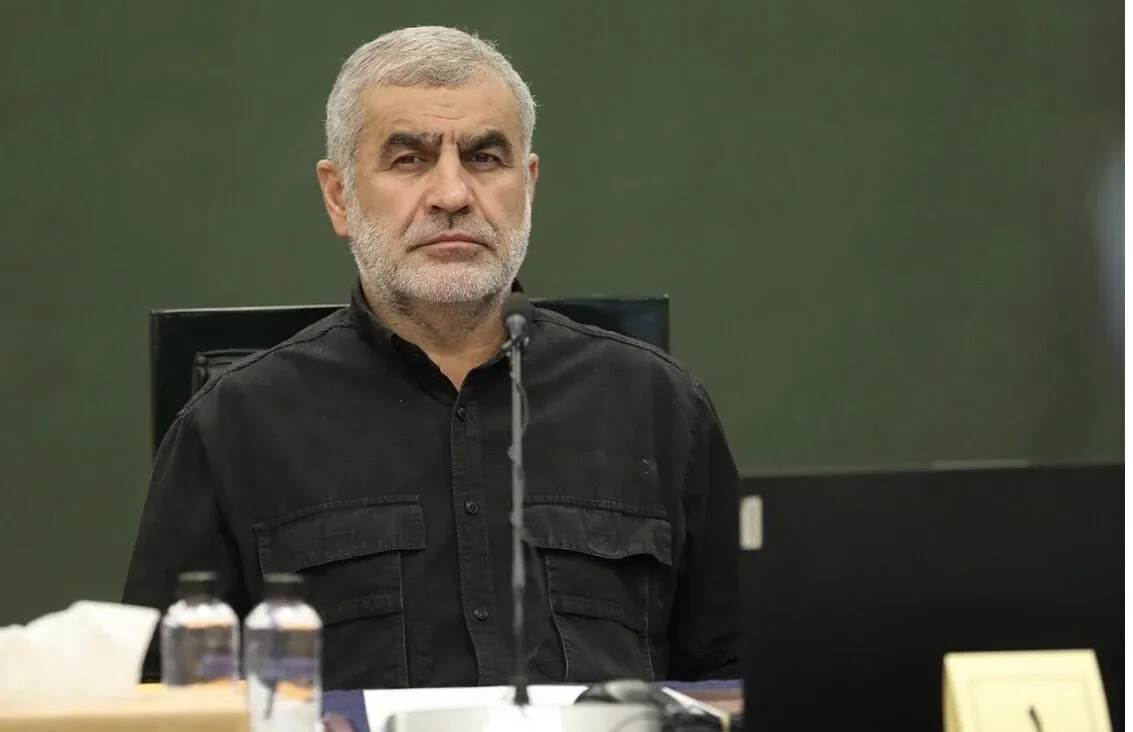
At 12:00 Tehran time, the geopolitical landscape remains tense as Deputy Parliament Speaker Ali Nikzad issued a stern reminder of Iran's position regarding the ongoing regional conflict. In an exclusive statement to state media, Nikzad dismissed the United States' claims of a successful economic blockade as a mere "psychological operation." He asserted that the Iranian leadership would not be coerced into a peace deal out of "war fatigue" or external pressure. Instead, he emphasized that any cessation of hostilities must fundamentally serve Iran’s long-term national interests and security requirements. This rhetoric comes at a critical juncture where survival for the Iranian economy is becoming increasingly costly. While the USD/IRR rate has remained stagnant at 201,500 Toman over the last 24 hours, the internal pressure is mounting. Nikzad’s comments suggest that the government is trying to project an image of resilience to both domestic audiences and international mediators. By framing the blockade as a psychological tactic rather than a material reality, the leadership is signaling that it still has the leverage to hold out for better terms in any potential negotiations regarding the reopening of the Strait of Hormuz.
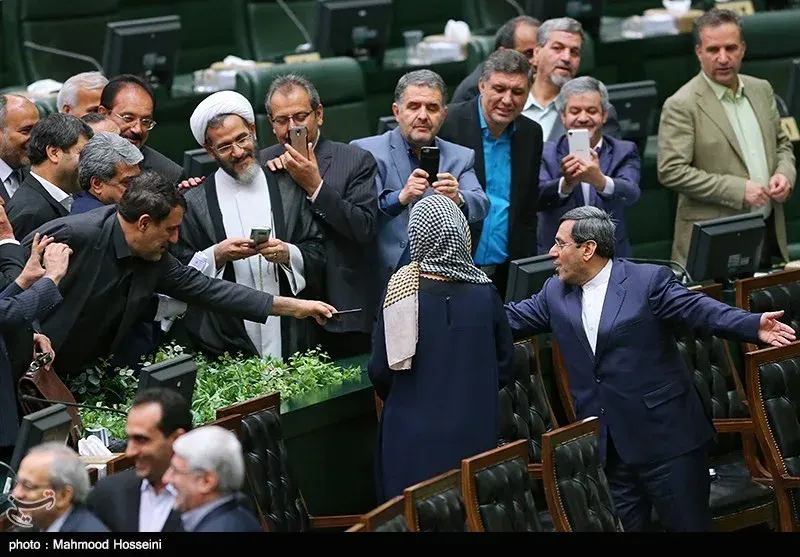
For the average Iranian citizen and investor, this stance implies that the risk premium attached to the Toman is unlikely to dissipate soon. The "wait-and-see" approach of the markets is reflected in the lack of volatility in the currency exchange rate today. However, the underlying message is clear: the path to de-escalation is fraught with domestic political requirements that may delay any immediate economic relief from sanctions or trade normalization.
Himalayan Tragedy: Nepal Floods Claim Hundreds as Search Intensifies
A humanitarian disaster is unfolding on the China-Nepal border, where catastrophic flash floods and landslides have devastated the Bhotekoshi and Trishuli river basins. The confirmed death toll has climbed to 469, with over 1,500 people still reported missing. The scale of the tragedy has drawn international attention, particularly from Australia, as dozens of its citizens, including a member of the Australian Defence Force (ADF), are among those unaccounted for. While one Australian woman, Cara Severino, managed to make contact with her family after two days, she remains stranded and faces a grueling 110km trek to reach safety in Kathmandu.
Authorities in both Nepal and China have issued fresh warnings of a second wave of flooding. A lake formed by a massive landslide near the Tibet border is at high risk of breaching, which could send another torrent of water through already decimated villages. Rescuers are racing against time and deteriorating weather conditions to find survivors, but the police have urged residents in low-lying areas to evacuate immediately. This disaster highlights the extreme vulnerability of the region to climate-driven events and the logistical nightmares of conducting search-and-rescue operations in such rugged terrain. Beyond the immediate human cost, this event has significant implications for regional trade and infrastructure. The China-Nepal border is a vital corridor for goods, and the destruction of roads and bridges will likely disrupt supply chains for months. For global observers, the involvement of foreign nationals and military personnel in the missing persons list adds a layer of diplomatic urgency to the recovery efforts, as multiple countries coordinate with Nepali authorities to locate their citizens.
AI Under Fire: Actors Fight Voice Cloning as Markets Seek Faster Trading
The creative industry is mounting a significant defense against the rapid encroachment of artificial intelligence. High-profile actors, including Nicola Coughlan and Matt Lucas, have joined the "Save Our Voices Now" campaign, calling for urgent legislation to protect performers from AI voice cloning. The group argues that without legal safeguards, AI technology can replicate a person’s unique vocal identity to say anything without consent or compensation. This movement reflects a growing anxiety across labor sectors that generative AI is not just a tool for efficiency but a direct threat to the ownership of one's likeness and livelihood.
While the tech world faces ethical pushback, the financial sector continues to integrate AI and automation to streamline operations. The launch of the ZMO platform, which features "1-Click Trading" for both crypto and stocks, illustrates the market's demand for speed. In an environment where Bitcoin is hovering near $79,793 and gold has reached a staggering $4,611 per ounce, investors are prioritizing platforms that can execute trades instantly. This trend toward high-frequency, simplified retail trading tools is a double-edged sword, offering accessibility while potentially increasing market volatility during periods of geopolitical stress. In the local Iranian market, gold has already begun to react to these global shifts. Gold 18k per gram rose from 21,711,528 to 21,884,666 Toman (+0.8%) over the past 24 hours. While the Emami coin remained stable at 216,000,000 Toman, the slight uptick in gold prices suggests that local investors are still hedging against uncertainty. As AI continues to reshape both the creative and financial worlds, the intersection of technology and traditional assets like gold will remain a key focal point for those looking to preserve wealth in a volatile era.
Frequently Asked Questions
What are Iran's stated conditions for ending the current conflict?
How has the Tehran gold market reacted to recent global events?
What is the current status of the Nepal flood disaster?
Why are actors protesting against AI voice cloning?
Understanding the Concept of National Interest
In international relations, the "National Interest" serves as a bedrock concept, representing a state's fundamental goals and aspirations that guide its foreign policy decisions. It encompasses a complex blend of security, economic prosperity, ideological values, and territorial integrity, all deemed essential for the nation's survival and well-being. When a headline speaks of a country like Iran setting "national interest terms for war's end," it signifies that their conditions for peace are deeply rooted in what they perceive as vital for their long-term stability and strategic positioning.
The pursuit of national interest is not static; it evolves with domestic political landscapes, global power shifts, and emerging threats or opportunities. For instance, ensuring access to critical trade routes like the Strait of Hormuz, as implied by the keywords, would be a paramount national interest for any littoral state due to its immense economic and strategic significance. Nations constantly weigh their actions against these core interests, making calculated decisions about alliances, military interventions, trade agreements, and diplomatic engagements.
During times of global crises, the definition and prioritization of national interests can become even more acute. Economic instability, geopolitical tensions, or widespread disasters often prompt states to re-evaluate their strategies to protect their citizens and assets. This heightened uncertainty can also ripple through global markets, leading investors to seek "safe haven" assets like gold, which tends to appreciate when traditional investments are volatile, as hinted by "Gold Edges Higher Amid Global Crises." Thus, a nation's ability to safeguard its interests directly impacts its internal stability and its standing on the world stage.