Iran Signals ‘New Surprises’ for Battlefield as Oil Exports Defy Six Months of War
هشدار «غافلگیریهای جدید» دفاعی ایران در ششمین ماه جنگ؛ بازگشت صادرات نفت به مدار
Iran's Defense Ministry warns of undisclosed tactical weapons for future conflicts while global oil markets grapple with a surprising rebound in Persian Gulf exports. Meanwhile, the death toll from catastrophic floods in Nepal continues to climb as climate instability intensifies.
At time of publishing
USD
201,500
Toman
Gold 18K
21.89M
Toman / gram
Bitcoin
$79,169
US Dollar
Tether
200,105
Toman
The Rhetoric of ‘Surprises’ on the Six-Month Anniversary
As the conflict involving Iran reaches its half-year mark, the rhetoric from Tehran has taken a notably defiant turn. Brigadier General Reza Talaei-Nik, spokesperson for the Ministry of Defense and Armed Forces Logistics, claimed today that Iran has developed and prepared new weapons and tactical capabilities that remain undisclosed. According to reports from IRNA, these "surprises" are intended for the battlefield in any possible future escalation. While the General did not provide specific technical details, the timing of the statement suggests a strategic move to maintain a posture of deterrence at a time when the domestic population is increasingly weary of the economic and psychological toll of the ongoing hostilities.
This military posturing comes as independent reports from the New York Times suggest that the Iranian public is grappling with profound desperation. Six months of attrition have not only strained the national budget but have also led to a growing skepticism regarding the long-term outcomes of the current strategy. For the average citizen, the "surprises" mentioned by officials are often overshadowed by the daily reality of an economic crisis that shows no signs of abating. The gap between official military confidence and the lived experience of the populace continues to widen, creating a complex internal dynamic that the government must manage alongside external military threats.
Oil Markets: A Surprising Rebound Amid Volatility
In a development that has caught many analysts off guard, Goldman Sachs reported that oil exports from the Persian Gulf have recovered to approximately two-thirds of their pre-war levels. Currently, between 15 and 16 million barrels per day are moving out of the region, which is roughly 5 to 6 million barrels above the lows seen in March. This rebound suggests that despite the heightened risks and the shadow of conflict, the global demand for energy is forcing a normalization of shipping routes. However, this recovery remains fragile, and Wall Street remains deeply divided over the long-term trajectory of prices. Strategists at RBC Capital Markets have warned that significant hurdles remain, particularly as political tensions could trigger sudden disruptions at any moment.
For the Iranian economy, which remains heavily dependent on energy revenues, this partial recovery in regional exports is a double-edged sword. While it provides a potential lifeline for the state’s coffers, the increased supply on the global market could cap oil prices, limiting the windfall that Tehran might have expected during a period of high geopolitical risk. Meanwhile, the broader financial markets are showing signs of stabilization; Bitcoin is currently trading near $79,169, as investors wait for key economic signals from the United States. In the domestic market, the USD/IRR exchange rate remained steady at 201,500, while Gold 18k/gram rose from 21,711,528 to 21,891,592 (+0.8%), reflecting a persistent hedge against inflation among local investors.
Humanitarian Crisis and Institutional Rigidity
Beyond the immediate theater of war, the world is facing a devastating humanitarian crisis in South Asia. The death toll from catastrophic floods in Nepal and Tibet has risen to at least 543, with over 1,500 people still missing. Iranian Foreign Ministry spokesperson Esmaeil Baqaei expressed official sympathy for the victims, but the scale of the disaster highlights a broader, more terrifying trend. Experts from the Energy and Climate Intelligence Unit warn that phenomena like El Niño, amplified by climate change, are making such "exceptional" weather events the new normal. For developing nations, the cost of this instability is measured in lives and the total destruction of critical infrastructure, such as the hydropower projects currently swamped in Nepal.
This sense of crisis extends to the failure of global institutions to protect the vulnerable. In the United States, a $305 million settlement for survivors of sexual abuse within the New Orleans Catholic archdiocese has been met with shock and anger, as victims realized they might receive as little as $641,000 individually—a fraction of what juries have awarded in similar cases. Similarly, in the financial world, the rigidity of banking systems is under fire; a 91-year-old dementia patient’s $100,000 stock certificate remains locked because banks insist on a signature she can no longer provide. These stories, though disparate, point to a common theme: whether through climate disaster, legal settlements, or bureaucratic inertia, the systems designed to provide safety and order are increasingly failing to meet the needs of the individuals they serve.

Frequently Asked Questions
What are the 'surprises' mentioned by the Iranian Defense Ministry?
How has the oil market responded to the ongoing war in the Persian Gulf?
Why is Gold 18k rising in Iran while the USD remains steady?
The Strategic Significance of the Strait of Hormuz
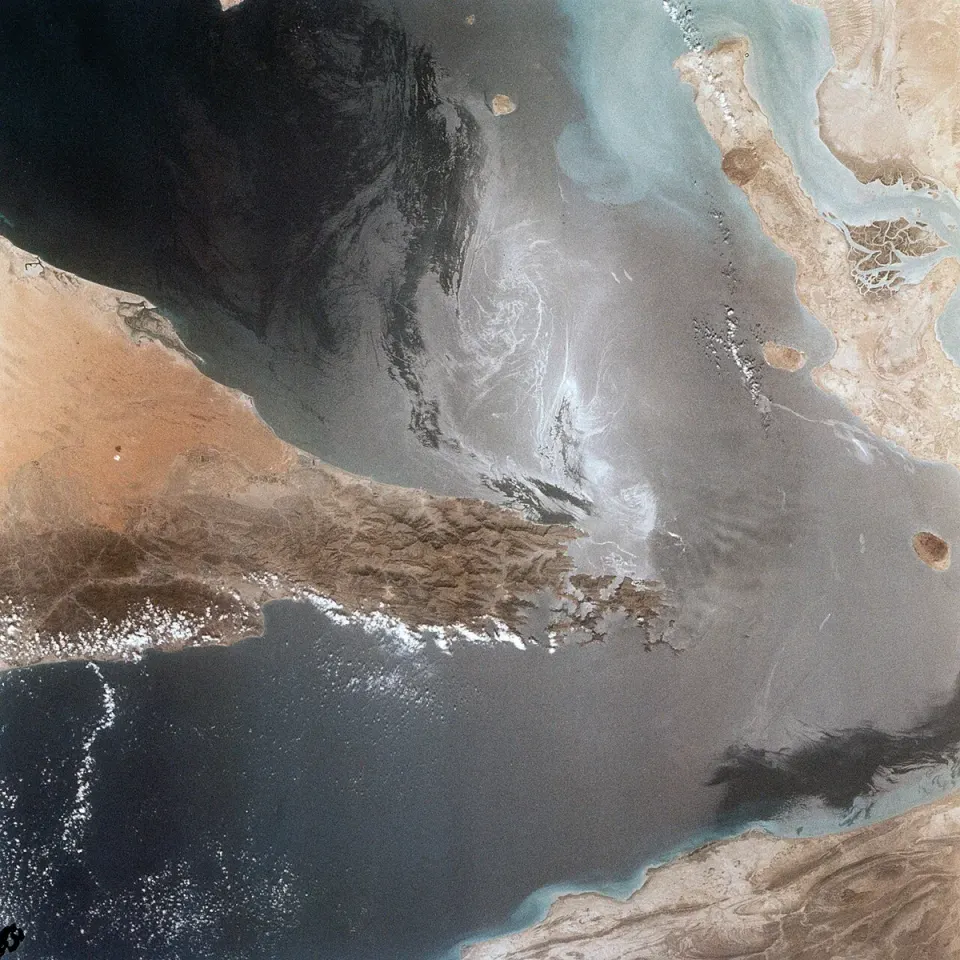
The Strait of Hormuz is one of the world's most critical maritime choke points, a narrow sea passage that connects the Persian Gulf to the Arabian Sea and the broader Indian Ocean. Located between Iran to the north and Oman's Musandam Governorate to the south, its strategic importance cannot be overstated. Roughly 21 miles (33 km) wide at its narrowest point, with shipping lanes just two miles wide in each direction, it is the sole sea passage for a significant portion of the world's crude oil and liquefied natural gas (LNG) from the major oil-producing nations of the Middle East.
This strait serves as the primary artery for oil exports from Saudi Arabia, Iran, Iraq, Kuwait, Qatar, and the United Arab Emirates. An astounding volume of oil—estimated to be around one-fifth of the world's total petroleum liquids consumption—passes through this waterway daily. Any disruption to shipping in the Strait of Hormuz would have immediate and severe repercussions on global energy markets, leading to soaring oil prices and potentially triggering economic instability worldwide. Its role in global energy security makes it a constant focus of international attention.
Given its vital function, the Strait of Hormuz has historically been a flashpoint for geopolitical tensions. Nations bordering the strait, particularly Iran, hold significant leverage over global energy flows due to their geographical position. Threats to close or disrupt the strait, whether explicit or implied, are often used as a strategic tool in times of conflict or diplomatic standoff. Understanding the strait's geographical constraints and its indispensable role in the global energy supply chain is crucial for comprehending regional dynamics and their potential impact on international relations and the world economy.