Trade Wars at the Border and Closed Castles: The New Geopolitical Friction of Late 2026
جنگ تجاری در مرزهای آمریکا و بنبست در قلعههای تاریخی؛ اصطکاک جدید ژئوپلیتیک در سال ۲۰۲۶
As Donald Trump’s trade war with Canada sends Detroit into a tailspin, a bizarre property dispute closes Ireland’s Dunguaire Castle to the public. Meanwhile, Iran steps up its diplomatic pressure on the UK to condemn US 'economic terrorism' as global markets eye shifting bond yields.
At time of publishing
USD
201,500
Toman
Gold 18K
21.88M
Toman / gram
Bitcoin
$79,710
US Dollar
Tether
201,500
Toman
The Detroit-Canada Trade War: A City on the Brink
Detroit, the historic heart of the American automotive industry, is currently grappling with what local leaders describe as the "insanity" of Donald Trump’s escalating trade war with Canada. Every day, approximately $1 billion worth of goods cross the Ambassador Bridge and the Detroit-Windsor tunnel, linking the two nations in a complex, just-in-time supply chain. The new tariffs and trade restrictions have sent shockwaves through the blue-collar communities that rely on this seamless flow, threatening to dismantle decades of economic integration. Political observers note that this move comes at a sensitive time, with midterms looming and several Michigan congressional races hanging in the balance.
The fallout is not merely economic; it is deeply psychological for a city that has spent the last decade rebounding from bankruptcy. Leaders in both Detroit and Windsor, Ontario, view the trade spat as an act of "hubris" and "ego" that ignores the reality of the North American auto industry. As parts and finished vehicles sit stalled at the border, costs are beginning to rise for consumers, and manufacturers are warning of potential layoffs if the situation is not resolved. The broader market is watching closely, as any disruption in this corridor has immediate ripple effects on the global automotive sector and manufacturing indices.

Geopolitical Symbols: The Closure of Dunguaire Castle
In a surprising turn of events that highlights the complexities of heritage and private ownership, the picturesque 16th-century Dunguaire Castle on Galway Bay has been closed to the public. While tourists still flock to its exterior for photographs, a long-standing and deepening dispute over ownership has prevented anyone from entering its historic halls. This closure is more than just a blow to Irish tourism; it serves as a metaphor for the increasing fragmentation of global cultural and physical assets under legal and political strain. The castle, once a hub for literary banquets and cultural gatherings, now stands as a silent sentinel of a legal stalemate that shows no signs of resolution.
Experts suggest that the dispute reflects a broader trend where historical landmarks are caught between state preservation goals and private interests. For the local economy in Galway, the loss of access to the castle’s interior means a reduction in tourist spending and a blow to the region's cultural identity. As the legal battle drags on, the international community is looking at how such disputes might influence future heritage laws and the protection of global landmarks from private litigation. It serves as a reminder that even the most stable-looking assets can be rendered inaccessible by the stroke of a lawyer's pen.
Market Mechanics: Bond Yields and the Crypto Pullback
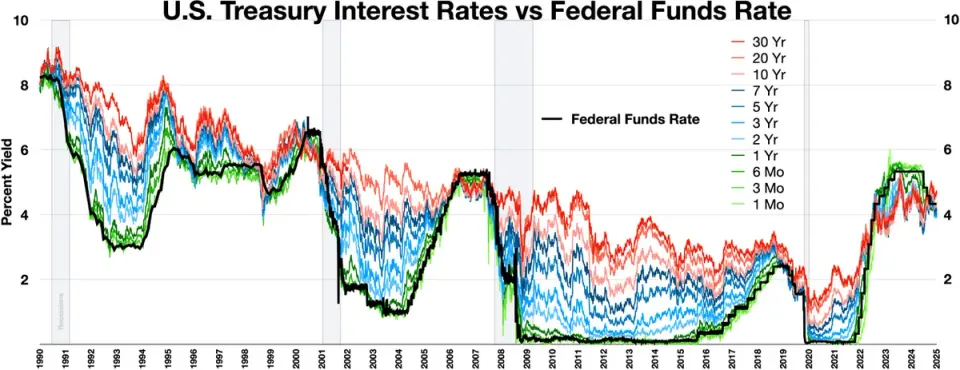
In the financial world, a coordinated effort between Federal Reserve Chair Kevin Warsh and Treasury Secretary Scott Bessent is reportedly underway to manage long-term bond yields. Analysts at Citrini Research suggest that this "mechanization" of the bond market is designed to provide stability amid geopolitical volatility, potentially benefiting major lenders like Bank of America. This strategy aims to prevent a spike in borrowing costs that could further dampen economic growth as trade tensions rise. Investors are carefully recalibrating their portfolios as the traditional relationship between treasury yields and equities undergoes a significant shift under this new administrative duo.
Meanwhile, the cryptocurrency market has seen a period of consolidation following a brief surge. Bitcoin (BTC) reached a high of $81,455 overnight before pulling back to its current level of $79,710. Despite this slight retreat, some analysts believe the bear market is definitively over, citing profitability metrics that mirror the recovery seen in early 2023. In Tehran, the gold market showed some upward movement; Gold 18k per gram rose from 21,711,528 to 21,884,666 Toman (+0.8%), while the USD/IRR rate remained stable at 201,500 Toman. The stability in the currency market contrasts with the volatility in global assets, reflecting a cautious local sentiment.
Iran’s Diplomatic Offensive in London
Iran’s Ambassador to London, Ali Mousavi, has issued a sharp call for the United Kingdom to condemn what he describes as US "economic terrorism" and military aggression. This diplomatic push comes at a time when Iran is seeking to leverage international law to counter the impact of renewed sanctions and trade barriers. Mousavi’s statements, reported by state media, emphasize that the UK has a moral and legal obligation to distance itself from unilateral American policies that Iran claims are targeting its civilian population. This rhetoric is part of a broader strategy by Tehran to drive a wedge between Washington and its European allies.
This diplomatic maneuvering is occurring as Foreign Minister Abbas Araghchi signals that while diplomacy is "not impossible," it requires the United States to recognize that its maximum pressure campaign has failed. For the average Iranian, these high-level exchanges are viewed with a mix of skepticism and hope, as any easing of economic tension could directly impact the cost of living and the stability of the Toman. However, with the US administration showing no signs of backing down on its trade and security policies, the path to a meaningful breakthrough remains fraught with obstacles. The international community continues to monitor whether these diplomatic salvos will lead to actual negotiations or further isolation.
Frequently Asked Questions
Why is the Detroit-Canada trade war so significant for the US economy?
How are Scott Bessent and Kevin Warsh influencing the bond markets?
What is the status of the bear market according to current BTC metrics?
Economic Sanctions: A Powerful Tool of Geopolitical Leverage
Economic sanctions are coercive measures imposed by one country—or a coalition of countries—to influence the behavior of another state, entity, or individual without resorting to military force. They can take many forms, from trade embargoes that block the export or import of specific goods, to financial restrictions that freeze assets, cut off access to international banking systems, or prohibit investment. The goal is to create economic pain that compels a change in policy, such as halting a nuclear program, curbing human‑rights abuses, or forcing a renegotiation of trade terms. While the concept is simple, the implementation is often complex, involving multiple agencies, legal frameworks, and coordination with allies.
In recent years, the United States has wielded sanctions as a central component of its foreign‑policy arsenal, especially against Iran. The so‑called “economic terrorism” strategy couples primary sanctions—directly targeting Iranian banks, oil exports, and key industries—with secondary sanctions that punish non‑U.S. firms that do business with sanctioned Iranian entities. This dual‑layer approach has forced countries like the United Kingdom and even distant trading partners to weigh the risk of losing access to the U.S. financial system against the benefits of Iranian trade, reshaping diplomatic dynamics and prompting high‑level talks such as the Iran‑UK dialogue led by former Iranian minister Mousavi.
Sanctions ripple through global markets in often‑unforeseen ways. Restrictions on Iranian oil have driven up crude‑related commodities, contributing to higher gold prices observed in Tehran in August 2026 as investors sought safe‑haven assets. At the same time, the uncertainty surrounding sanctions has boosted demand for decentralized currencies; Bitcoin surged to $80,000 in part because it operates outside traditional banking channels. Bond markets feel the pressure too—analysts like Kevin Warsh have warned that heightened sanction risk can widen yield spreads, as investors demand higher compensation for holding U.S. Treasury or corporate bonds that might be indirectly exposed to sanctioned economies.
The fallout is not limited to the targeted nation. Regional economies that are integrated into the affected supply chains can suffer collateral damage. Detroit’s manufacturing sector, heavily reliant on cross‑border components from Canada, felt a slowdown in 2026 when the Trump‑era trade war escalated tariffs on auto parts, illustrating how a bilateral dispute can amplify the broader impact of sanctions‑driven protectionism. Moreover, disputes over cultural heritage sites—such as the Dunguaire Castle controversy between the UK and Ireland—show how geopolitical friction can spill over into non‑economic arenas, further complicating diplomatic negotiations.
Understanding the mechanics of economic sanctions helps policymakers and citizens assess both their intended outcomes and unintended side effects. While sanctions can be an effective non‑military lever, they also risk harming ordinary citizens, distorting markets, and prompting retaliatory measures that can entrench conflict rather than resolve it. Ongoing research and transparent evaluation are essential to ensure that this powerful tool is used judiciously and responsibly.