Himalayan Tragedy and the 'Warsh Twist': Global Markets Braced as US Carrier Exits the Gulf
تراژدی هیمالیا و «چرخش وارش» در بازارها؛ ناو آبراهام لینکلن منطقه را ترک کرد
A catastrophic glacier collapse in the Himalayas has left thousands missing as rescue efforts struggle against rising waters. Meanwhile, the US reshuffles its naval presence in the Middle East, and a new 'Treasury Twist' strategy in Washington aims to stabilize banking balance sheets.
At time of publishing
USD
201,500
Toman
Gold 18K
21.88M
Toman / gram
Bitcoin
$79,213
US Dollar
Tether
200,386
Toman
The Himalayan Catastrophe: Climate Instability Hits the Roof of the World
A devastating humanitarian crisis is unfolding in the high-altitude border regions of Nepal and Tibet, where a massive glacier collapse has triggered catastrophic flash floods. As of Friday afternoon, the death toll has climbed to 469, with more than 1,300 people reported missing after a wall of mud and debris obliterated the regional hub of Gyirong. Satellite imagery suggests that the disaster was not a simple landslide but a structural failure of a glacier, a grim reminder of how the climate crisis is destabilizing the world’s most sensitive geological zones. For the global community, this serves as a stark warning of the increasing volatility of natural disasters that can disrupt regional stability and supply chains without notice.
Rescue efforts have been fraught with danger, briefly pausing as a newly formed landslide lake threatened to overflow and trigger a second wave of destruction. Despite these risks, Nepali soldiers successfully rescued approximately 100 people trapped in a flooded hydropower tunnel, providing a rare moment of hope in a darkening situation. The long-term implications for the region are severe; the destruction of infrastructure and the loss of life will likely trigger a prolonged period of economic stagnation in these mountain communities. For Iranian observers, such events underscore the growing risks of environmental displacement and the necessity of robust disaster management in the face of unpredictable climate patterns.

Naval Maneuvers and the Hormuz Standoff: The Lincoln Departs
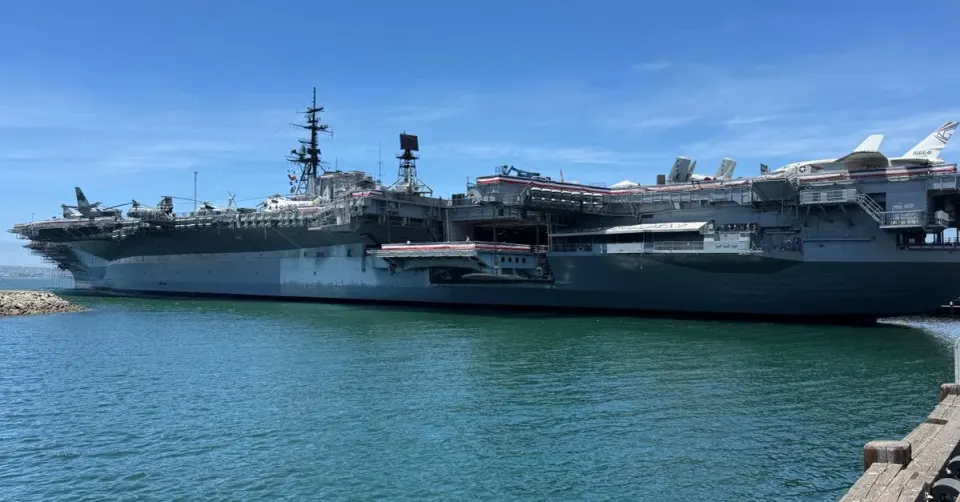
After more than 250 grueling days at sea, the USS Abraham Lincoln has officially exited the Middle East theater, heading toward a rest-and-recuperation stop in Thailand before returning to San Diego. This departure marks a significant shift in the immediate naval posture of the United States in the region, coming after months of high-intensity operations aimed at deterring Iranian maritime activity. While the USS George Washington has moved in to relieve the Lincoln, reports of low morale and poor living conditions aboard the departing vessel highlight the immense strain that the prolonged standoff in the Persian Gulf has placed on American military resources.
However, the departure of the carrier does not signal a return to normalcy in the Strait of Hormuz. While the U.S. has technically cleared mines from shipping lanes, commercial traffic remains a fraction of its pre-war volume. On a typical day before the conflict, 130 ships would traverse the Strait; currently, that number has dwindled to as few as five commodity vessels per day. The Iranian military continues to maintain a posture that keeps commercial operators at bay, with Tehran making full normalization conditional on significant sanctions relief and an end to the U.S. naval blockade. This "subdued opening" of the waterway keeps global energy markets on edge, as the threat of a sudden re-closure remains a powerful leverage point for the Iranian government.
The 'Warsh Twist' and Gold’s Resilience in the Face of Policy Shifts
In Washington, a sophisticated economic maneuver is taking shape that could redefine the global financial landscape. Federal Reserve Chair Kevin Warsh and Treasury Secretary Scott Bessent appear to be coordinating a strategy—dubbed the "Treasury Twist"—designed to repair a $326 billion hole on bank balance sheets. By targeting a reduction in long-term bond yields, the administration hopes to ease the pressure on financial institutions that have been battered by high interest rates. This policy coordination is a direct attempt to stabilize the U.S. banking sector and lower borrowing costs, which could have a profound impact on the strength of the U.S. dollar and the attractiveness of safe-haven assets like gold.
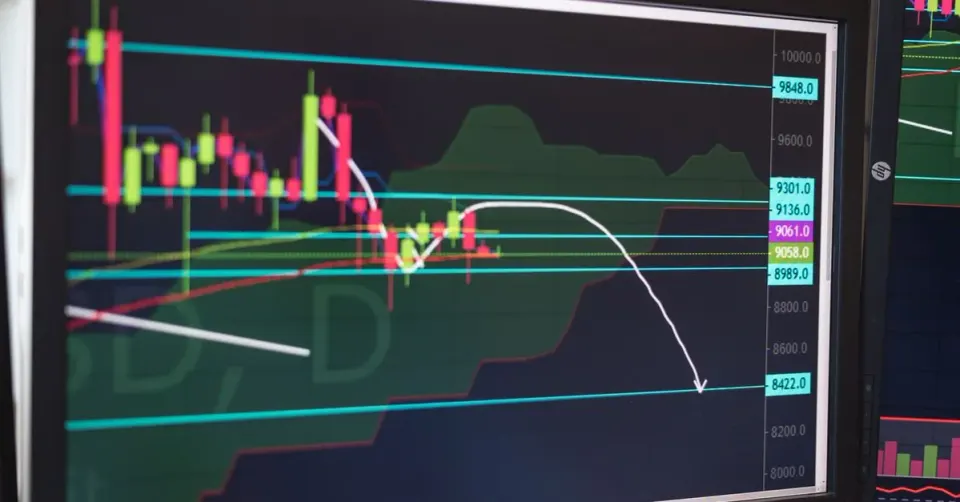
In the Iranian market, these global shifts are already being felt. Gold 18k/gram rose from 21,711,528 to 21,877,741 Toman (+0.8%) over the last 24 hours, reflecting a continued domestic demand for hedges against inflation and global uncertainty. Meanwhile, the USD/IRR exchange rate remained flat at 201,500 Toman, suggesting a temporary equilibrium despite the geopolitical tensions. For investors, the success of the Warsh-Bessent plan will be critical; if they fail to manage the yield curve effectively, we could see a renewed surge in gold prices as investors flee the volatility of the bond market. For now, the market remains in a state of watchful anticipation, balancing the risks of regional war against the potential for a managed economic soft landing in the West.
AI Legal Victories and the Tech Supply Chain Battle
Technological sovereignty has become the new frontline of global competition, as evidenced by Anthropic’s recent legal victory against the Pentagon. A federal judge ruled that the Trump administration illegally labeled the AI firm as a "supply chain risk," a designation that would have severely limited its ability to secure government contracts and collaborate with international partners. This ruling is a significant blow to the administration’s aggressive use of national security labels to control the AI sector. It highlights the growing tension between the government's desire for security and the private sector's need for operational freedom in a rapidly evolving field like artificial intelligence.
While the U.S. battles internally over AI regulation, China is making significant strides in the hardware sector. Micron’s Chinese rival, CXMT, reported booming sales in its first earnings as a public company, directly benefiting from the surge in demand for AI-related memory chips. This development suggests that despite Western sanctions, China is finding ways to capitalize on the AI revolution, potentially creating a parallel tech ecosystem. For the global economy, this means the fragmentation of the tech supply chain is accelerating, which could lead to increased costs and divergent standards for AI development in the coming years.
Watch
On the ground in Nepal after deadly flash floods
The Guardian
Frequently Asked Questions
Why is the USS Abraham Lincoln leaving the Middle East now?
How does the 'Treasury Twist' affect gold prices in Iran?
Is the Strait of Hormuz actually open for business?
Understanding Operation Twist: A Central Bank's Tool to Shape Long-Term Rates
The phrase "Warsh Twist" in the headline refers to a specific monetary policy tool known as Operation Twist. This strategy, employed by central banks like the U.S. Federal Reserve, aims to influence long-term interest rates without directly expanding the money supply, particularly when short-term rates are already near zero and traditional quantitative easing measures might be reaching their limits. It's a nuanced approach to providing further economic stimulus by making long-term borrowing more attractive.
Operation Twist works by the central bank selling shorter-term government bonds from its portfolio and simultaneously using the proceeds to buy an equivalent amount of longer-term government bonds. This action increases the supply of short-term bonds in the market, pushing their yields up, while reducing the supply of long-term bonds, which drives their yields down. The ultimate goal is to lower long-term interest rates, such as those for mortgages and corporate borrowing, thereby encouraging investment, spending, and economic growth.
Historically, Operation Twist was first implemented by the Federal Reserve in 1961, under the Kennedy administration, to address concerns about gold outflows and a weak dollar while also stimulating a sluggish domestic economy. It was revived in 2011 during the aftermath of the 2008 financial crisis when the Fed sought to provide additional stimulus after its benchmark interest rate had already been cut to near zero. Kevin Warsh, then a Federal Reserve governor, was a notable proponent of this strategy, lending his name to the "Warsh Twist" moniker in some circles.
While distinct from quantitative easing (which involves creating new money to buy assets), Operation Twist serves a similar purpose: to ease financial conditions. Its effectiveness hinges on its ability to genuinely lower long-term borrowing costs and translate that into increased economic activity. However, its impact can be limited if businesses and consumers remain hesitant to borrow or invest, or if other economic headwinds are too strong. Nevertheless, it remains an important tool in the central bank's arsenal for managing economic cycles.