London Fire Paralyzes Transit as Nepal Flood Toll Surges and Markets Brace for Autumn Reality Check
آتشسوزی گسترده در لندن و بحران سیل در نپال؛ هشدار بانک آمریکا نسبت به «برخورد با واقعیت» در بازارهای مالی
A massive waste facility fire in London has disrupted major transit lines, while the missing toll in the Nepal-Tibet floods has doubled to 1,900. Meanwhile, Bank of America warns that the current stock market bull run faces a significant autumn correction as geopolitical tensions reach a six-month milestone.
At time of publishing
USD
201,500
Toman
Gold 18K
21.73M
Toman / gram
Bitcoin
$79,391
US Dollar
Tether
200,250
Toman
London Fire Forces Major Transit Shutdown
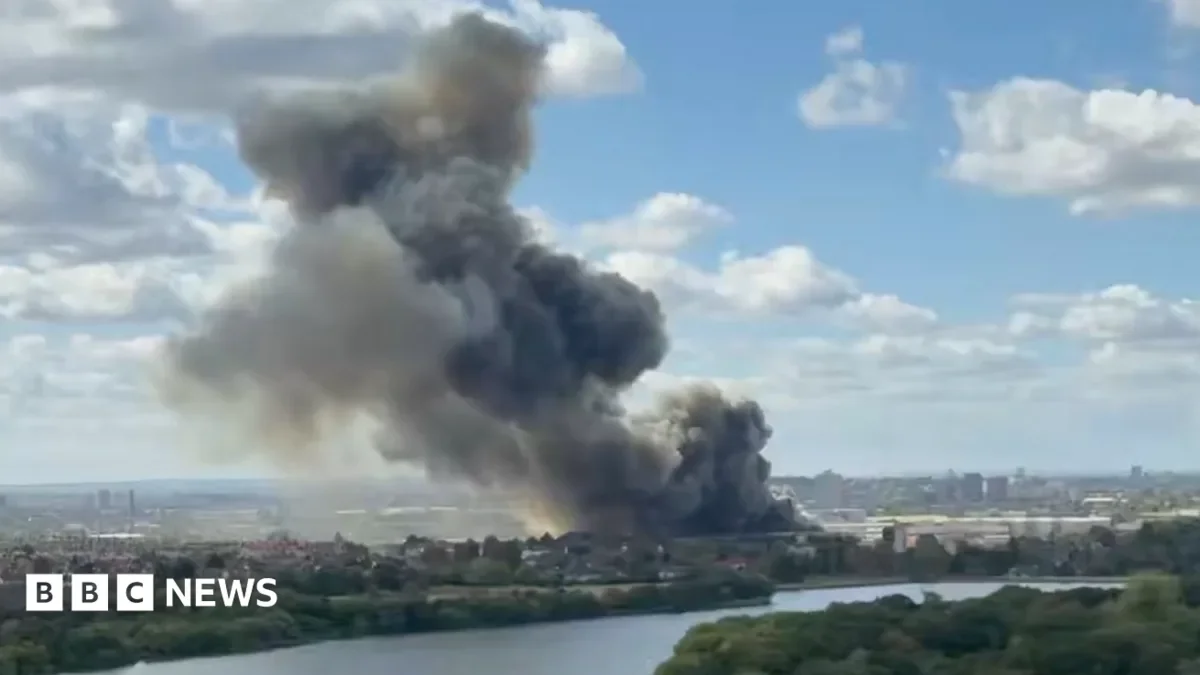
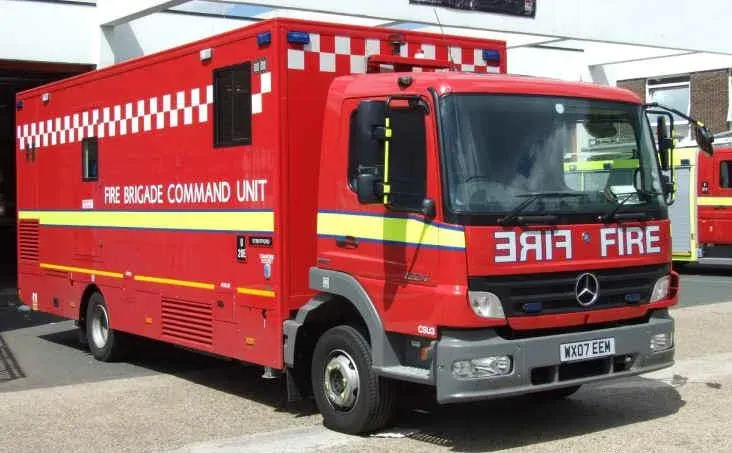
A massive fire at a waste facility in Neasden, North London, has triggered a significant emergency response and paralyzed key sections of the city's transport infrastructure. The London Fire Brigade (LFB) deployed approximately 125 firefighters and 20 fire engines to combat the blaze, which broke out at an industrial estate earlier today. The intensity of the smoke and the proximity of the facility to critical rail corridors forced authorities to suspend several Tube and overground train lines, leaving thousands of commuters stranded and disrupting logistics across the capital.
This incident highlights the persistent vulnerability of urban infrastructure to industrial accidents, particularly in high-density logistics hubs. For global observers and investors, such disruptions in a Tier-1 financial center like London serve as a reminder of how localized physical risks can ripple through broader economic activity. While no immediate casualties have been reported, the closure of transit lines during peak hours creates a productivity drain and complicates the movement of goods, adding a layer of friction to an already stressed European economic landscape.
Himalayan Tragedy: Missing Toll Doubles in Nepal
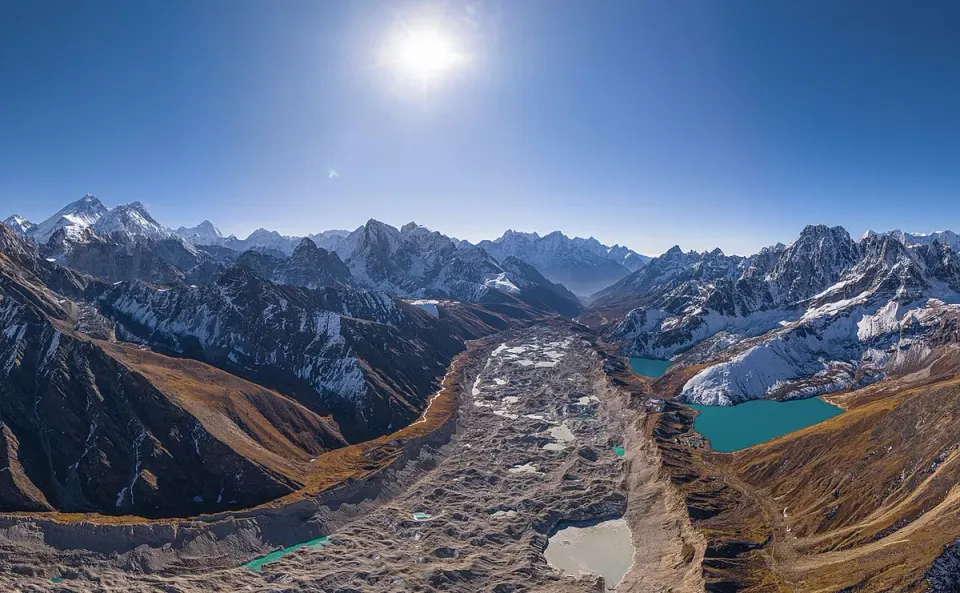
The humanitarian crisis in the Himalayan region has taken a devastating turn as the number of people reported missing following flash floods in Nepal and Tibet has roughly doubled to 1,900. Authorities confirmed that the surge in numbers is largely due to hundreds of workers at hydropower projects who were unaccounted for after the sudden deluge. The death toll currently stands at 579 in Nepal and five in Tibet, but rescue workers fear these numbers will rise as they struggle to reach remote areas where entire communities and infrastructure sites have been buried under mud and debris.
The European Union has pledged €2 million in emergency aid to support the rescue efforts, which are being hampered by the difficult terrain and the threat of secondary landslides. The destruction of multiple hydropower projects is not just a local tragedy; it represents a massive blow to the region's energy security and long-term development goals. For the international community, this event underscores the increasing volatility of high-altitude ecosystems under climate stress, where infrastructure built for the 20th century is proving incapable of withstanding the extreme weather patterns of 2026.
Markets Brace for an 'Autumn Reality Check'
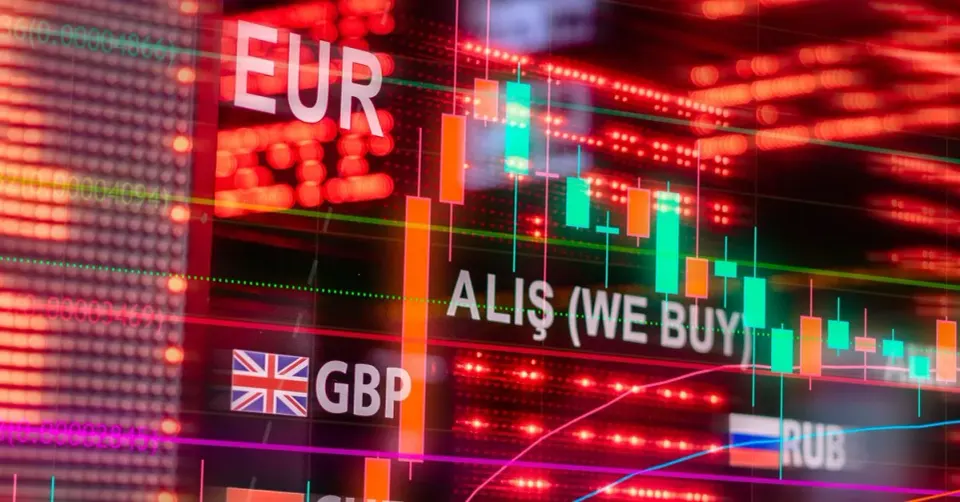
Despite the current resilience of global equities, Bank of America (BofA) has issued a stern warning that a "reality check" is coming this autumn. Strategists suggest that the bull market, which has defied high interest rates and geopolitical uncertainty, may finally buckle under the weight of the upcoming US midterm elections and the potential for a shift in the Iran conflict. While Bitcoin has shown localized strength, rebounding to approximately $79,391 and holding steady, the broader market remains sensitive to the policy signals coming from the Federal Reserve, especially following Kevin Warsh's recent keynote at Jackson Hole which offered little clarity on interest rate cuts.
For Iranian investors and those tracking the Toman, this potential global volatility is a critical signal. The USD/IRR rate has remained flat at 201,500 over the last 24 hours, but a major correction in global stock markets often leads to a flight to safety, strengthening the US dollar globally and putting further pressure on emerging and sanctioned currencies. Additionally, the crypto sector continues to see institutional activity, such as Capital B raising €21 million to expand Bitcoin holdings, suggesting that while the stock market faces a "reality check," digital assets are increasingly being positioned as a distinct alternative for capital preservation.
Six Months of War: The Regional Stalemate
Today marks exactly six months since the intensification of the US-Israeli conflict with Iran, a milestone that underscores the transition of the crisis into a protracted war of attrition. Despite initial expectations of a swift resolution or a total regional collapse, the situation has settled into a dangerous equilibrium. Iranian oil exports have shown surprising resilience, continuing to flow despite the blockade attempts and sanctions, while the domestic economy remains in a state of high-tension stability with the Toman hovering around the 200,000 mark.
This six-month mark is significant because it represents the point where temporary emergency measures become permanent economic realities. The regional shipping lanes, particularly the Strait of Hormuz, remain the world's most sensitive geopolitical chokepoint. As the conflict enters its next phase, the focus for observers is shifting from the battlefield to the diplomatic and economic endurance of the parties involved. For the average citizen, the "new normal" of 2026 is defined by high inflation, constant military readiness, and a global community that is beginning to treat a major regional war as a background variable rather than a temporary shock.
Frequently Asked Questions
Why did the missing toll in Nepal jump so significantly?
How does the London fire affect global markets?
What is the 'Autumn Reality Check' mentioned by Bank of America?
Is the Toman expected to react to the 6-month war anniversary?
Understanding Systemic Risk in a Volatile World
The news headline, with its disparate reports of a transit-paralyzing fire in London, devastating floods in Nepal, and a looming "autumn reality check" for markets, highlights the concept of Systemic Risk. This term describes the potential for the failure of one entity, market, or system to trigger a cascade of failures across an entire industry or economy. Unlike isolated incidents, systemic risks are characterized by their interconnectedness, where a shock in one area can propagate through complex linkages, leading to widespread instability.
Consider the events mentioned: a fire shutting down transit in a global financial hub like London disrupts economic activity and supply chains; catastrophic floods in Nepal, while geographically distant, represent a significant humanitarian crisis with potential long-term impacts on regional stability, migration, and aid flows; and the hypothetical "Strait of Hormuz war" would unequivocally trigger global energy price shocks and trade disruptions. Each event, in isolation, presents a challenge. However, when these diverse shocks occur concurrently or in close succession, their combined effect can be far greater than the sum of their parts, stressing the resilience of global systems.
The "Bank of America market warning" and the call for a "Global economic reality check" underscore the financial sector's sensitivity to these aggregated risks. Markets constantly price in information about geopolitical tensions, natural disasters, and infrastructure vulnerabilities. An accumulation of such adverse events can erode investor confidence, trigger capital flight, and lead to significant market corrections. Understanding systemic risk is crucial for policymakers, businesses, and individuals alike, as it informs strategies for disaster preparedness, supply chain resilience, and financial regulation designed to prevent localized shocks from escalating into global crises.