Warsh’s Federal Reserve Defies Trump with Rate Hike Signals as Himalayan Flood Toll Surges
سیگنال افزایش نرخ بهره توسط فدرال رزرو در تقابل با ترامپ؛ همزمان با فاجعه انسانی در هیمالیا
New Fed Chair Kevin Warsh has prioritized 'stable prices' over political pressure, hinting at rate hikes as inflation persists amid regional conflicts. Meanwhile, the death toll from the Nepal-Tibet floods has climbed as over 1,900 people remain missing.
At time of publishing
USD
201,500
Toman
Gold 18K
21.56M
Toman / gram
Bitcoin
$77,078
US Dollar
Tether
200,305
Toman
The Warsh Hawk: Federal Reserve Signals a Hard Line on Inflation
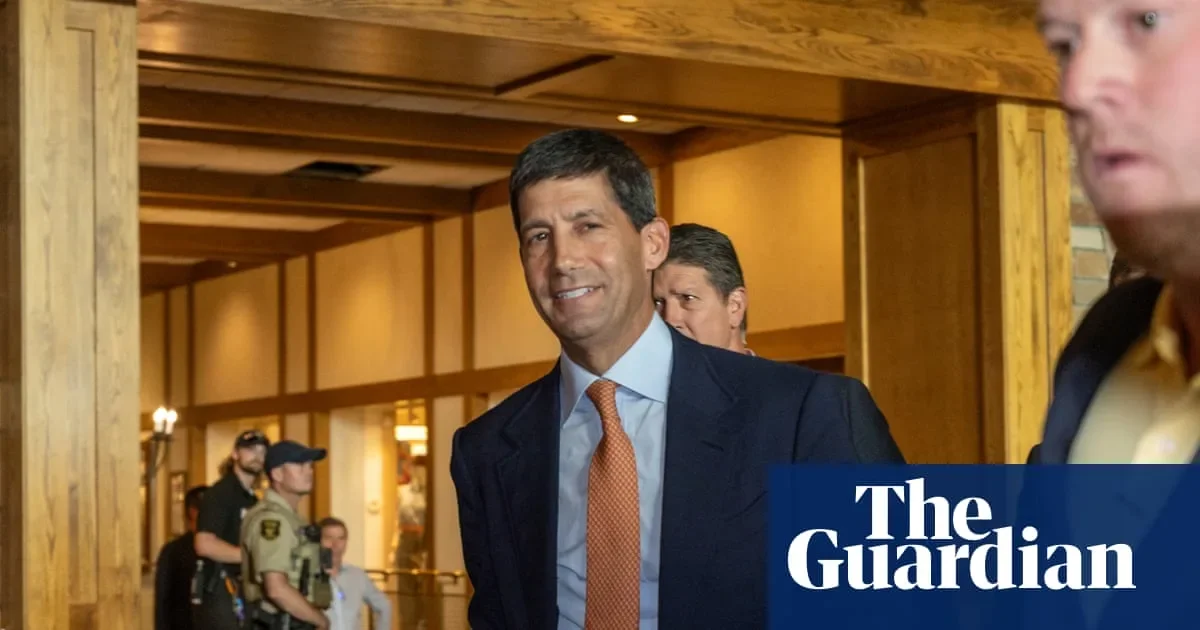
In his first major address since taking the helm of the U.S. Federal Reserve, Kevin Warsh delivered a clear message to markets at the Jackson Hole symposium: the central bank's primary mandate remains the delivery of "stable prices." Despite aggressive calls from President Donald Trump for immediate interest rate cuts to stimulate the economy, Warsh signaled that the Fed is not done fighting inflation, which remains stubbornly above the 2% target. This hawkish stance has immediate implications for global liquidity, as markets began pricing in a higher-for-longer interest rate environment, effectively dampening hopes for a late-2026 monetary easing.
The reaction in the financial markets was swift and decisive. Bitcoin, which had been flirting with the $80,000 resistance level, dipped to $77,078 as traders digested the possibility of further rate hikes. For Iranian observers, this move by the Fed is critical; a stronger U.S. Dollar typically exerts downward pressure on emerging market currencies and maintains the high cost of imports. With the USD/IRR holding steady at 201,500 Toman, any further strengthening of the greenback on the global stage could catalyze a new wave of volatility in the Tehran market, especially as the 'Warsh Twist' suggests a divergence between fiscal and monetary policy in Washington.

Himalayan Catastrophe: 1,900 Missing as Floodwaters Ravage Nepal and Tibet
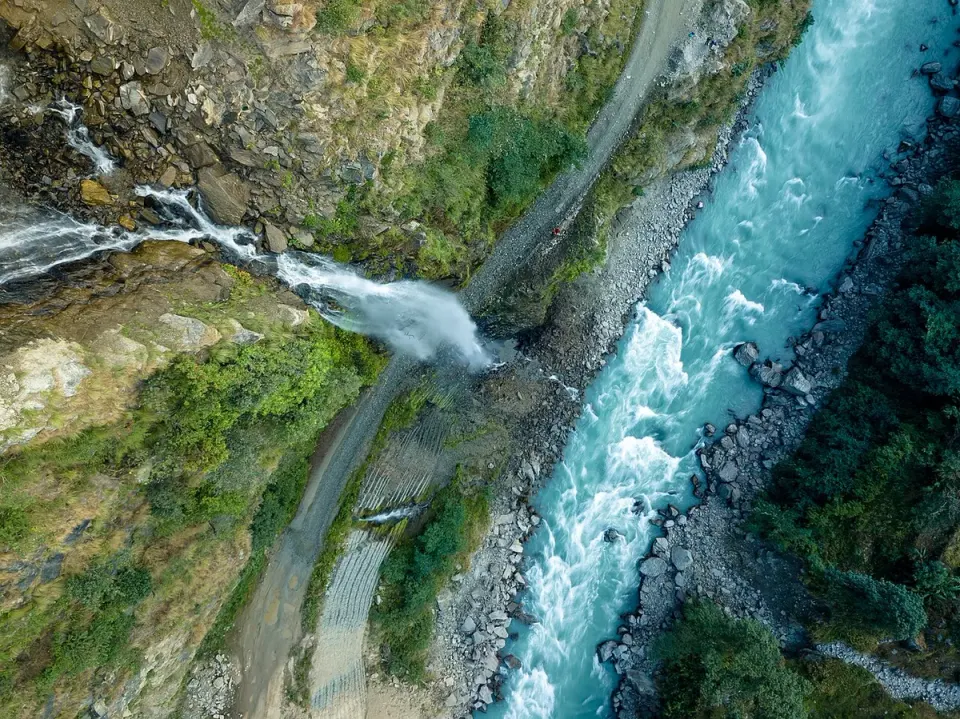
The humanitarian crisis in the Himalayas has reached a breaking point following Wednesday’s devastating flash floods. The International Federation of Red Cross and Red Crescent Societies (IFRC) reported today that at least 93,000 people are in desperate need of aid, while the number of missing persons has surged to 1,924. Confirmed deaths have reached 584 across Nepal and Tibet, but authorities warn this figure will rise significantly as rescue teams finally reach remote areas previously cut off by destroyed bridges and landslides. The scale of the destruction has paralyzed local infrastructure, leaving thousands without shelter or clean water in the Bhotekoshi and Trishuli river basins.
Rescue operations remain fraught with danger. In one harrowing development, the Nepali army is attempting to evacuate approximately 100 workers trapped inside a tunnel at a hydropower project. Army spokesperson Raja Ram Basnet noted that locating the tunnel's entry points has been nearly impossible due to the sheer volume of silt and debris. This disaster is not just a localized tragedy; it represents a massive blow to the region's energy infrastructure and has prompted a global response from the Nepali diaspora. In Australia and Europe, communities are organizing vigils and fundraising drives, highlighting the global interconnectedness of this climate-driven catastrophe.
Trump’s Domestic Balancing Act: Beef Imports and Environmental Rollbacks
President Donald Trump is currently navigating a complex political landscape as he attempts to reconcile his populist promises with the harsh realities of food inflation. Following a backlash from his own party regarding the suspension of tariffs on foreign beef, Trump has announced a new policy allowing U.S. ranchers and farmers to process their own food. This move is designed to bypass major industrial meatpackers and placate a domestic agricultural sector that felt betrayed by the administration's plan to import up to 300,000 metric tons of foreign beef. The administration is essentially trying to lower grocery prices for consumers without alienating its core rural voting base.
Simultaneously, the administration is pushing through controversial environmental changes via the EPA. A new proposed rule would allow data centers—which are proliferating rapidly due to the AI boom—to hide their air pollution levels from the public by removing requirements for public notice and comment. This deregulation is framed as a way to maintain American technological dominance in AI, but it has sparked intense opposition from local communities concerned about the health impacts of industrial-scale computing. These domestic policy shifts reflect a broader strategy of deregulation and protectionism that continues to define the U.S. economic outlook in late 2026.

Frequently Asked Questions
Why did Bitcoin price drop after Kevin Warsh's speech?
How many people are missing in the Nepal-Tibet floods?
What is Trump's new policy for American ranchers?
Understanding Central Bank Independence
Central bank independence refers to the freedom of a nation's central bank from political interference in the conduct of monetary policy. In the United States, the Federal Reserve, often referred to as "the Fed," operates with a significant degree of independence from the executive and legislative branches of government. This autonomy is crucial for making decisions about interest rates, money supply, and other monetary tools without succumbing to short-term political pressures that might prioritize electoral cycles over long-term economic stability.
The rationale behind central bank independence is rooted in the belief that an independent central bank is better equipped to control inflation and maintain price stability. Politicians, facing re-election, might be tempted to push for lower interest rates or increased spending to stimulate the economy in the short run, even if such actions could lead to higher inflation down the road. An independent central bank, with a mandate focused on price stability and maximum sustainable employment, can make difficult, sometimes unpopular, decisions necessary for the economy's long-term health.
This independence is enshrined through various mechanisms, such as long, staggered terms for central bank governors, which insulate them from immediate political accountability. The Fed's funding also comes from its own operations rather than congressional appropriations, further reducing direct political leverage. While the Fed's dual mandate is set by Congress, the specific implementation of monetary policy, like deciding whether to raise or lower interest rates, rests solely with the Federal Open Market Committee (FOMC).
However, central bank independence is not absolute and remains a subject of ongoing debate. Elected officials often voice opinions or criticisms regarding monetary policy, especially during economic downturns or periods of high inflation. The tension highlighted in the headline, where the Federal Reserve signals rate hikes despite potential presidential disapproval, perfectly illustrates this dynamic. It underscores the delicate balance between democratic accountability and the need for expert, apolitical decision-making in managing a nation's economy.