Medical Breakthrough for Seniors as Toman Slides: The 12:00 Tehran Briefing
پیشرفت پزشکی در سلامت سالمندان و نوسان نرخ ارز: گزارش ساعت ۱۲ تهران
A world-first clinical trial reveals statins can safely protect the over-70s, while the Iranian Toman faces a 0.9% slip against the dollar. Meanwhile, Tehran’s leadership signals a unified roadmap as geopolitical sports and academic deals reshape regional alliances.
At time of publishing
USD
203,400
Toman
Gold 18K
21.80M
Toman / gram
Bitcoin
$77,586
US Dollar
Tether
203,245
Toman
A New Horizon in Geriatric Health: The Statin Breakthrough
A world-first clinical trial led by Australian researchers has fundamentally shifted our understanding of cardiovascular health for the elderly. The study reveals that statins—common cholesterol-lowering medications—can safely and effectively reduce the risk of heart attacks and strokes in otherwise healthy individuals over the age of 70. Previously, medical guidelines were cautious about prescribing these drugs to seniors without existing heart conditions, fearing potential side effects like muscle pain or cognitive issues. This new data provides the clinical evidence needed to expand preventative care for an aging global population.
For readers in Iran, where cardiovascular disease remains a leading cause of mortality and the population is aging rapidly, this development is particularly significant. As the healthcare system grapples with the high costs of emergency cardiac interventions, a shift toward affordable, long-term preventative medication could alleviate pressure on public hospitals. However, the accessibility of high-quality imported pharmaceuticals remains tied to the broader economic climate and the stability of the Toman, which has seen renewed volatility this hour.

Tehran Signals Unity Amid Economic Shifts
During the observance of Government Week, senior Iranian officials have rallied around a centralized message from the Supreme Leader. Major General Mohsen Rezaei, Secretary of the Supreme National Security Council, stated that the Leader’s directives are "clear and beyond interpretation," serving as a definitive roadmap for all branches of government. This was echoed by Judiciary Chief Gholamhossein Mohseni-Ejei, who emphasized that these instructions should be viewed as a mandatory operational guide. This rhetoric of absolute unity often surfaces during periods of internal transition or external economic pressure, aiming to project stability to both domestic audiences and international observers.
Simultaneously, the Pezeshkian administration is attempting to pivot its image through "cultural diplomacy" and what it terms "cultural justice." According to state media reports, the Ministry of Culture and Islamic Guidance is seeking to reduce direct government intervention in cultural affairs while strengthening international interactions. While these statements suggest a softer approach to social management, they are being met with skepticism by a public focused on the immediate erosion of purchasing power. The gap between official narratives of "justice" and the reality of rising prices remains a primary source of social friction.
Global Capital Flows: From Saudi Defense to Premier League Millions
In a move that highlights the deepening ties between Western academia and Middle Eastern defense sectors, the University of Exeter has approved a multi-million-pound deal with Saudi Arabia. The partnership will see British academics training Saudi military officers and government officials at the National Defense University in Riyadh. This deal has sparked significant debate regarding the ethics of such collaborations given the kingdom's human rights record, yet it underscores the undeniable pull of Gulf capital in sustaining global educational institutions. For the region, it signals a continuing trend of Saudi Arabia professionalizing its domestic security apparatus through high-level international partnerships.
In the world of high-stakes finance and sport, Liverpool FC has reportedly agreed to a massive £123 million deal for Paris St-Germain’s forward Bradley Barcola. This transfer not only reshapes the competitive landscape of European football but also reflects the immense liquidity currently circulating in the global sports market. These massive capital movements often serve as a bellwether for investor confidence in the broader entertainment and luxury sectors, even as traditional financial markets like Bitcoin show signs of stagnation.
Market Update: Toman Weakens as Gold Gains Momentum
The Iranian Toman has experienced a notable decline in the last 24 hours, with the USD sell rate moving from 201,500 to 203,400, marking a 0.9% increase. This upward pressure on the dollar is being mirrored in the gold market, where 18k gold per gram rose from 21,561,475 to 21,803,869 Toman (+1.1%). The Emami coin also saw a modest uptick, rising from 216,000,000 to 217,000,000 Toman (+0.5%). These movements suggest a cautious shift toward hard assets as traders react to domestic political signaling and global inflationary concerns.
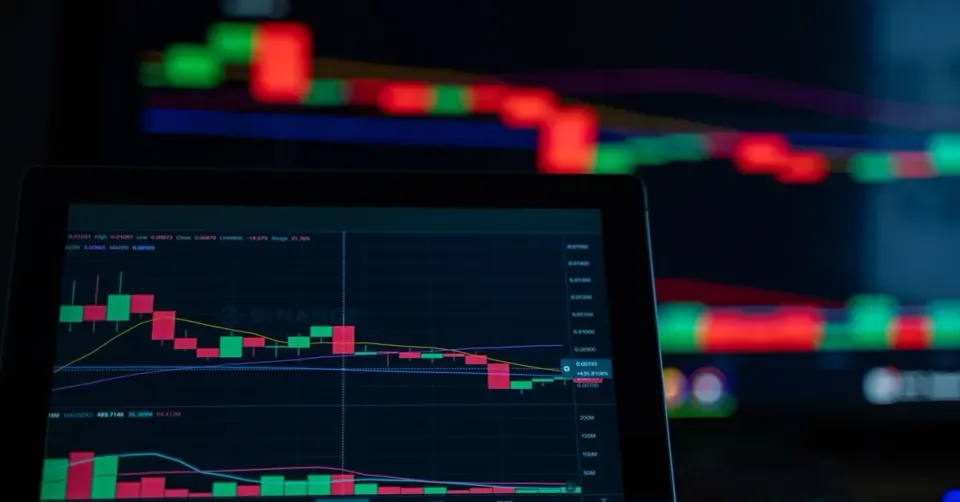
In the cryptocurrency space, Bitcoin (BTC) has stalled at $77,586, losing some of its recent momentum following hawkish comments from Federal Reserve officials. The broader market is currently digesting the potential for sustained high interest rates in the United States, which has tempered the "debasement rally" seen earlier in the week. For Iranian crypto investors, the dual impact of a rising local USD rate and a stagnant BTC price creates a complex environment for capital preservation, as the cost of entry in Toman terms continues to climb.
Frequently Asked Questions
Why is the Australian statin study significant for older Iranians?
How did the USD/IRR exchange rate change in the last 24 hours?
What is the 'Government Week' message being discussed in Tehran?
Understanding Currency Depreciation: The Toman's Slide and Its Impact
Currency depreciation occurs when a country's currency loses value relative to other currencies. In the context of the "Toman slides" and "USD/IRR price update," this means that it takes more Iranian Tomans (or Rials) to purchase a single U.S. dollar than before. This phenomenon reflects a weakening of the domestic currency's purchasing power on international markets and is often a significant indicator of a nation's economic health.
Several factors can contribute to currency depreciation. For countries like Iran, economic sanctions play a major role by limiting international trade, reducing foreign currency inflows from oil exports, and making it difficult to attract foreign investment. High domestic inflation, which erodes the currency's value internally, also contributes to its decline externally. Furthermore, government fiscal policies, a lack of foreign exchange reserves, and political instability can all exacerbate the downward pressure on a currency.
The real impact of currency depreciation is felt most acutely by ordinary citizens. As the Toman loses value, imported goods—ranging from essential foodstuffs and medicines to industrial raw materials—become significantly more expensive. This directly fuels inflation, driving up the cost of living and eroding the purchasing power of wages and savings. People often respond by seeking to protect their wealth, leading to increased demand for stable assets like gold or foreign currencies, which aligns with the mention of "Iran gold price today."
Ultimately, a sustained period of currency depreciation can lead to economic instability, reduced consumer confidence, and challenges for businesses that rely on imports. It highlights the intricate connections between international relations, domestic economic policy, and the daily financial realities faced by individuals.