
Iran Military Asserts Resilience as Toman Breaches 206,000 and S&P 500 Defies Broad Market Volatility
تأکید ارتش بر توان دفاعی همزمان با عبور دلار از مرز ۲۰۶ هزار تومان و رکوردشکنی اساندپی ۵۰۰
As Iranian military leaders claim the failure of external efforts to dismantle missile capabilities, the Toman has climbed 2.3% against the USD. Meanwhile, the S&P 500 continues to rise on the back of AI-focused tech giants despite broader economic headwinds.
At time of publishing
USD
206,100
Toman
Gold 18K
21.89M
Toman / gram
Bitcoin
$77,676
US Dollar
Tether
203,671
Toman
Military Rhetoric Meets Economic Realities in Tehran
At 15:00 Tehran time, the Iranian domestic market is grappling with a significant shift in currency valuations, with the USD rising from 201,500 to 206,100 Toman, marking a 2.3% increase in just 24 hours. This volatility comes as Iranian state media, specifically IRNA, reports that Army Commander Major General Amir Hatami has claimed the nation's enemies have failed to achieve their objectives in recent conflicts. Hatami specifically noted that attempts to destroy Iran’s missile and drone capabilities were unsuccessful. However, this narrative of military resilience is being contrasted by a more somber economic admission from the presidency. According to reports from Al Jazeera, Iranian leaders are increasingly acknowledging the heavy toll that sanctions and what they describe as a U.S. naval blockade are taking on the country's trade, with exports and imports reportedly slumping by nearly 35%.
For the average Iranian citizen, the disconnect between military confidence and market stability is becoming harder to ignore. Gold prices have followed the currency's lead, with 18k gold rising from 21,561,475 to 21,891,592 Toman per gram (+1.5%). The Emami coin also saw an uptick, moving from 216,000,000 to 218,000,000 Toman (+0.9%). These price movements suggest that despite official pledges of diplomacy and defense, the market is pricing in the sustained pressure of economic isolation and the long-term impact of reduced trade volumes. The acknowledgment of a 35% trade slump by the administration signals that the "economic toll of war" is no longer a peripheral concern but a central driver of domestic inflation and currency devaluation.
The S&P 500: An AI-Driven Island of Growth
In global markets, the S&P 500 is exhibiting a peculiar trend that has left many analysts cautious: it continues to climb even on days when the majority of stocks are struggling. This phenomenon is largely attributed to an intense investor focus on Artificial Intelligence, which has funneled massive capital into a small, elite club of Big Tech stocks. These mega-cap companies now carry such significant weight that their performance can single-handedly buoy the entire index, masking broader weaknesses in the industrial and consumer sectors. While the headline numbers look positive, market observers warn that this concentration of wealth and influence creates a fragile equilibrium that could be easily disrupted by any regulatory shifts or a cooling of the AI hype.
Further complicating the outlook is the growing sentiment that the blistering pace of corporate earnings growth seen over the last year is nearing its expiration date. MarketWatch reports that the recent surge in profitability is likely unsustainable as the delayed effects of high interest rates and cooling consumer demand begin to bite. For investors, this means the risk of a "market correction" is rising, particularly if the Big Tech firms fail to deliver on the lofty expectations set by their current valuations. This global uncertainty adds another layer of complexity for those looking to hedge their assets against the volatility of the Toman, as even traditional "safe havens" like the U.S. stock market are showing signs of internal strain.

NASA’s Roman Telescope: A Scientific Leap Amidst Political Survival
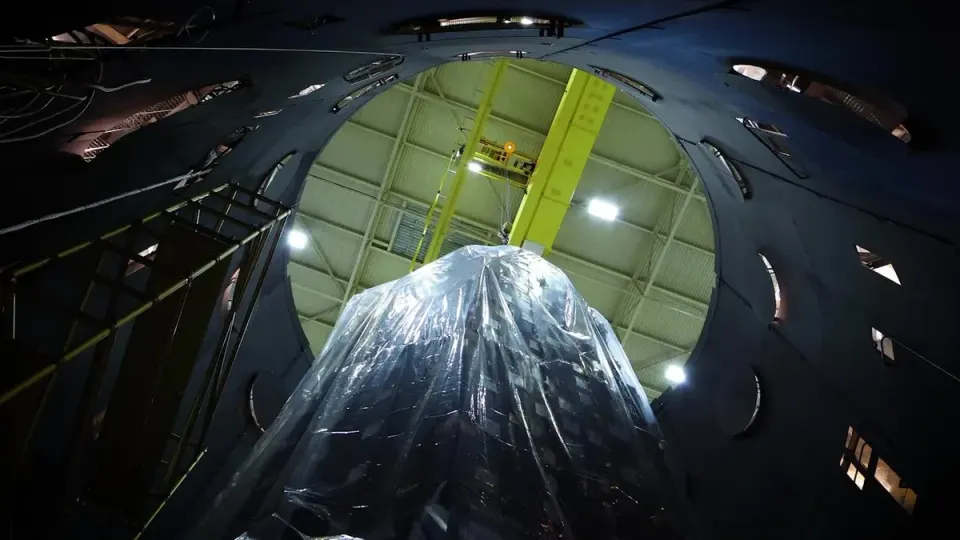
On the technological front, a major milestone is approaching as NASA prepares for the launch of the Nancy Grace Roman Space Telescope this Sunday in Florida. The $4.3 billion project is notable not only for its scientific potential but also for its political survival, having narrowly escaped cancellation during previous budget-cutting cycles under the Trump administration. The telescope is designed to search for exoplanets and provide new clues about the formation of the universe. It represents a significant technological leap, particularly in its ability to test equipment that could one day be used to discover and image Earth-like planets in distant solar systems.
This launch is a reminder of the long-term nature of strategic investments in science and technology, which often transcend the immediate cycles of political and economic turmoil. While the world's eyes are focused on trade wars and regional conflicts, the Roman telescope will embark on a million-mile journey into deep space to answer fundamental questions about our place in the cosmos. For the tech sector, the success of this mission will validate new sensor and imaging technologies that have direct applications in satellite communications and advanced optics, proving that even in periods of fiscal restraint, the push for frontier innovation remains a high-priority global endeavor.
Frequently Asked Questions
Why is the Toman falling despite military claims of resilience?
Is the S&P 500 growth sustainable for long-term investors?
What is the significance of NASA's Nancy Grace Roman telescope launch?
Understanding Currency Devaluation and its Impact, Especially Under Sanctions
The news of the Iranian Toman breaching 206,000 against the US Dollar highlights a critical economic phenomenon: currency devaluation. This occurs when a country's currency loses value relative to other major currencies, meaning it takes more of the local currency to purchase a unit of a foreign currency, like the US Dollar. While gradual fluctuations are normal in global markets, significant and rapid devaluation can signal underlying economic stress and have profound effects on a nation's economy and its citizens' purchasing power.
Several factors can trigger currency devaluation, including high inflation, large trade deficits, political instability, and a lack of investor confidence. However, in the context of Iran, a primary driver has been the imposition of economic sanctions. These sanctions restrict a country's access to international trade, banking, and financial markets, severely limiting its ability to earn foreign currency (like dollars from oil sales) and making it difficult to conduct international transactions. This scarcity of foreign currency within the domestic market pushes its value up relative to the local currency, leading to devaluation.
The consequences of a devaluing currency are far-reaching. For individuals, it means that imported goods become more expensive, eroding their purchasing power and potentially fueling domestic inflation. For businesses, the cost of importing raw materials or machinery rises, increasing operational expenses. While a weaker currency can theoretically make a country's exports cheaper and more competitive, the impact of sanctions often nullifies this benefit by restricting access to international markets in the first place. In such environments, people often seek refuge in stable assets like gold, which tends to hold its value better than a rapidly depreciating local currency.
Understanding currency devaluation, particularly when exacerbated by sanctions, is crucial for grasping the economic challenges faced by countries like Iran. It's not merely an abstract financial figure but a direct reflection of economic health, international relations, and the daily realities of citizens navigating rising costs and uncertain financial futures.